
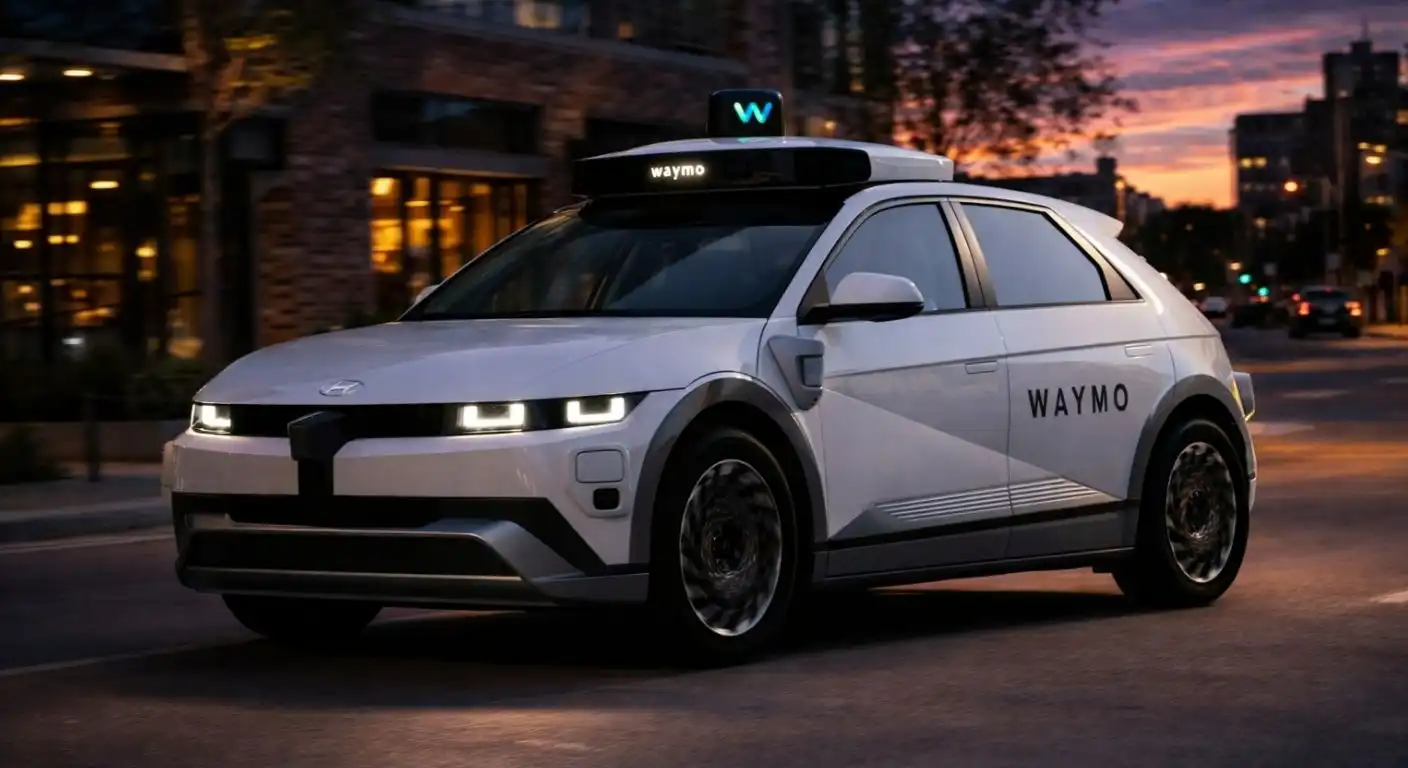
Waymo is taking a giant leap forward in the race to perfect autonomous driving. The company just revealed a cutting-edge initiative: the creation of a “virtual human driver.” By simulating human-like behavior, decision-making, and reactions, Waymo hopes to teach its robotaxis how to navigate complex urban environments with significantly higher precision. This breakthrough focuses on training artificial intelligence to understand the subtle nuances of driving that standard code often misses.
For years, the biggest hurdle for self-driving cars has been unpredictability. While machines excel at following lanes and stopping at red lights, they often struggle with the messy, human side of traffic. A sudden wave from a pedestrian, a cyclist swerving to avoid a pothole, or a driver making an aggressive lane change can baffle traditional software. Waymo’s new simulation environment uses a massive library of real-world driving data to train its models, effectively giving the cars a “human” perspective before they ever hit the road.
The scale of this project is immense. Waymo processes millions of miles of data to build these virtual personas. By training their AI on these digital human scenarios, the system learns to predict behaviors rather than just reacting to obstacles. This approach helps the vehicles achieve a 1.5% improvement in collision avoidance during the initial testing phases, a metric that could translate to thousands of accidents prevented as the technology scales across more cities.
Building these virtual agents requires immense computing power and investment. Waymo has funneled over $1 billion into its research and development efforts, focusing on machine learning architectures that mimic human cognitive processes. The goal is to create a robotaxi that doesn’t just “see” an object but understands the intent behind it. When the car realizes a person on the sidewalk looks distracted, it can adjust its speed proactively to ensure safety.
This technology also solves the problem of “edge cases.” In the world of autonomous driving, an edge case is a rare, unexpected event—like a parade in the street or a person wearing a costume—that can freeze an AI. By using virtual humans, Waymo can generate thousands of these rare scenarios daily. Instead of waiting for these events to happen in the real world, the AI practices them in a safe, virtual environment until it masters every possible outcome.
Critics have long argued that self-driving cars lack the “intuition” that experienced human drivers possess. By incorporating a virtual human driver, Waymo is attempting to codify that intuition. If a human driver would slow down because they feel something is “off” about a nearby vehicle, the new AI model is being taught to recognize those same subtle visual cues. This makes the ride experience not only safer but also smoother, reducing the jerky movements that sometimes frustrate passengers.
As Waymo expands its services into more metropolitan areas, the pressure to maintain a perfect safety record remains high. The company currently operates commercial services in major hubs like Phoenix, San Francisco, and Los Angeles, providing hundreds of thousands of rides per month. Every piece of data collected from these trips feeds back into the virtual human model, creating a continuous feedback loop that improves the entire fleet’s performance every single day.
Ultimately, this move signals a broader shift in the tech industry. Companies are moving away from simple rule-based programming and toward sophisticated behavioral models. While the road to full autonomy still faces regulatory and public skepticism, advancements like Waymo’s virtual driver bring us closer to a future where traffic accidents are significantly reduced. The era of the “smarter” robotaxi has arrived, and it is learning to drive just like us.