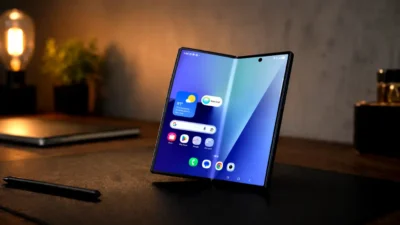
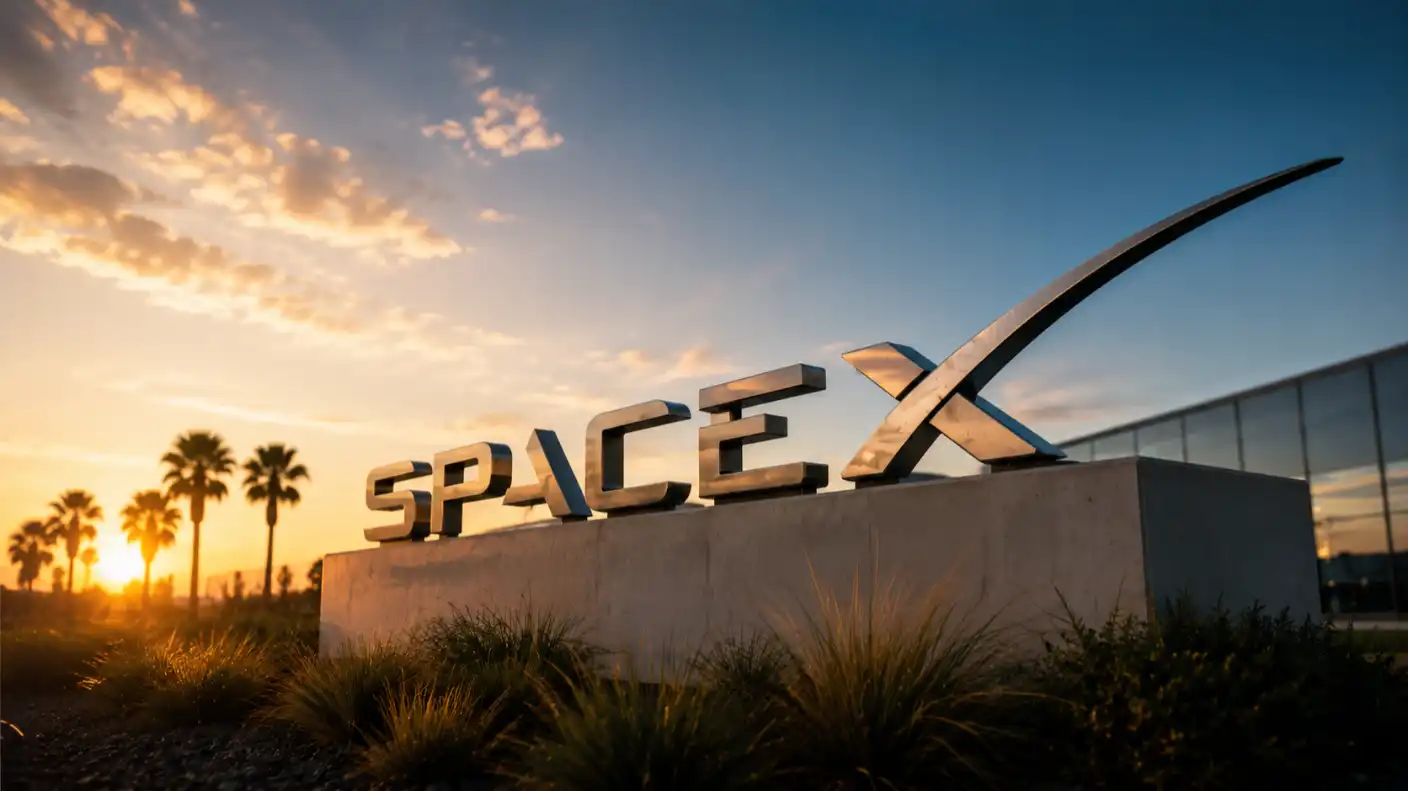
SpaceX is expanding its technological horizons beyond rockets and satellite internet. New reports suggest that the aerospace giant is currently testing a handheld artificial intelligence device designed to revolutionize how people communicate in remote, off-grid locations. This mystery hardware, which leverages the company’s massive Starlink satellite constellation, aims to provide reliable data, translation, and navigation services to explorers, researchers, and field workers operating in the world’s most isolated environments.
The device functions as a specialized terminal that connects directly to Starlink’s growing network of satellites. Unlike standard smartphones that require cell towers, this handheld unit is being built for environments where infrastructure simply does not exist. By integrating advanced AI, the device can allegedly process data locally to provide real-time assistance, even when latency from the satellite connection creates minor delays. This local processing capability ensures that users have immediate access to critical tools, regardless of their proximity to a data center.
Internal testing suggests the device includes a rugged design capable of surviving extreme temperatures and physical impacts. SpaceX is reportedly focusing on a battery life that exceeds 48 hours of continuous use, a crucial requirement for expeditions that venture far from electrical grids. The AI component acts as a personal assistant, helping users analyze surroundings, identify geological features, or even translate local languages. For companies like SpaceX, which already manages a fleet of over 6,000 satellites, this device represents a logical extension of its mission to provide global, unfettered connectivity.
The potential market for such a device reaches far beyond casual hikers. Governments and disaster response teams are showing early interest in the technology. In scenarios where a hurricane or earthquake destroys traditional communication lines, a handheld tool that taps into a space-based network becomes a lifeline. Analysts estimate the global market for satellite-enabled personal devices could reach over $2 billion by 2028, and SpaceX appears positioned to capture a significant share of this emerging sector.
Despite the excitement, the project faces significant regulatory and engineering challenges. SpaceX must navigate the complex rules of international radio frequencies to ensure its handheld units do not interfere with other critical networks. Furthermore, keeping the weight of the device under 1 pound while packing in powerful AI processors and satellite antennas is a feat that many competitors have struggled to achieve. The company’s ability to iterate quickly—a hallmark of its success with the Falcon 9 rocket—will play a major role in whether this product hits the mass market or stays in the experimental phase.
If successful, this device could fundamentally change how the world views connectivity. It bridges the gap between high-tech AI software and the raw, untamed reality of the physical world. By removing the need for local towers, SpaceX is essentially giving users the ability to carry a private internet connection in their pocket. This development marks a clear evolution in the company’s strategy: moving from moving hardware into space to placing sophisticated, intelligent tools directly into the hands of the end-user.
While no official launch date exists, industry insiders expect SpaceX to begin limited field trials later this year. These tests will likely involve partners in the energy and forestry sectors, where teams spend weeks at a time working in areas with zero connectivity. As we wait for more details, the prospect of an AI-powered handheld device that works anywhere on the planet highlights a future where “dead zones” may finally become a thing of the past.