If you subscribe to YouTube Premium using your iPhone or iPad, you might be losing money every single month without realizing it. Recent pricing updates confirm that YouTube is now charging a “premium” on top of its standard subscription rate for users who sign up through Apple’s in-app billing system. This hidden cost effectively serves as a pass-through for the 15% to 30% commission Apple collects on digital transactions processed through the App Store.
The price discrepancy is significant for budget-conscious viewers. While a direct subscription via a web browser costs $13.99 per month for an individual plan, the same service through Apple’s in-app purchase system now jumps to $18.99. That represents an extra $5 per month, or $60 over the course of a single year, simply for the convenience of using your Apple ID to manage the billing.
YouTube is not the first company to make this move, but it is certainly the most prominent. Companies like Spotify and Netflix stopped allowing in-app subscriptions years ago to avoid Apple’s fees. By continuing to offer the option but raising the price to cover the “Apple tax,” Google—YouTube’s parent company—is essentially forcing users to pay for their preference for the App Store’s ecosystem.
If you are currently paying the higher rate, canceling is a straightforward process. You simply need to navigate to your Apple ID settings on your device, locate your active subscriptions, and cancel the YouTube Premium plan. Once the current billing cycle ends, you can sign back up through a standard web browser on your phone or computer. By subscribing directly through the website, you lock in the lower $13.99 monthly rate, saving yourself that extra $60 annually.
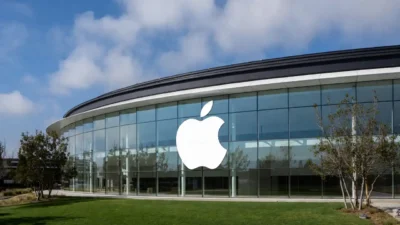
This situation highlights the ongoing friction between major tech platforms and mobile operating systems. Apple maintains strict rules requiring digital goods sold on iOS to use its payment processor, which takes a hefty cut of the revenue. Because profit margins on subscriptions are razor-thin, companies are increasingly unwilling to absorb these costs. Instead, they shift the financial burden directly onto the consumer, leading to these split-pricing models.
Most users remain unaware of these surcharges because the checkout process on an iPhone is designed to be frictionless. With one double-click of the side button, the transaction completes, and the user rarely stops to compare the price against a web-based alternative. This design choice benefits Apple’s revenue stream but penalizes users who prefer integrated payment methods.
Before your next monthly renewal hits, take a moment to verify how you are being billed. If you see the $18.99 charge, you are effectively paying a premium for a service that is otherwise identical to the version available on the web. As digital service costs continue to climb, these small savings add up quickly. Checking your subscription settings today could be the easiest $60 you save all year.