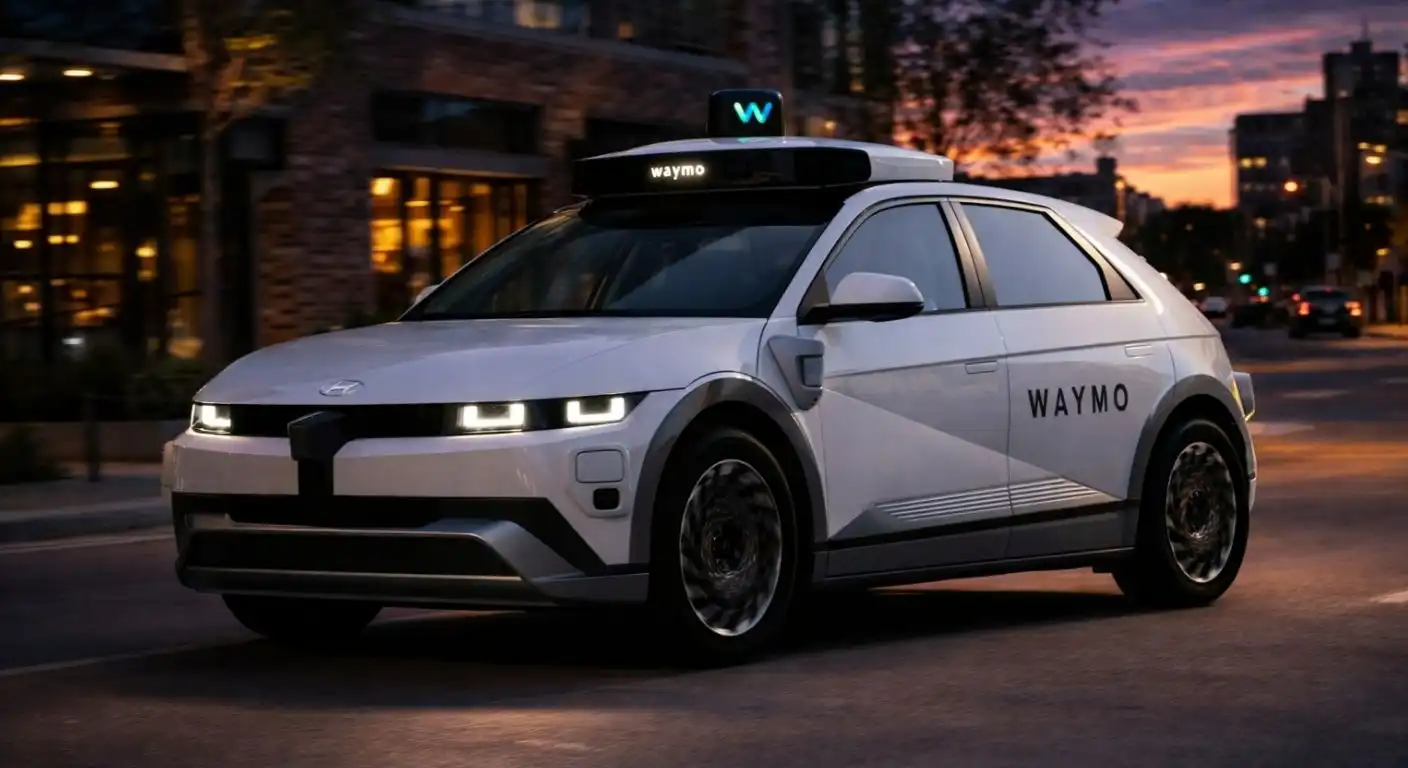
Waymo has officially hit the gas on its 2026 expansion plans, announcing a major rollout of its fully autonomous ride-hailing service in four new U.S. cities. Starting Wednesday, July 8, 2026, the Alphabet-owned company activated driverless operations in Las Vegas, marking the first of a wave of launches that will soon bring robotaxis to Denver, San Diego, and Tampa. This move represents a significant leap forward for the company as it scales its operations to reach a target of 1 million paid rides per week by the end of this year.
In Las Vegas, the service is now fully operational, meaning riders will encounter vehicles without a human driver behind the wheel. For residents in Denver, San Diego, and Tampa, the company is taking a more staged approach. Initially, Waymo will allow its own employees to test the vehicles in these cities, a common practice the company uses to fine-tune its navigation and safety protocols before opening the app to the general public. Interested riders in these regions are already being encouraged to download the Waymo app to receive notifications the moment service becomes available to them.
This expansion highlights the growing maturity of Waymo’s autonomous technology. The company currently operates in 11 major metropolitan areas, including Phoenix, San Francisco, Los Angeles, Atlanta, and Miami. By adding these four new markets, Waymo is rapidly increasing its footprint across the Sun Belt and beyond, signaling that its “Waymo Driver” technology is ready for a wider range of urban environments.
A key part of this rollout involves the debut of the “Ojai,” Waymo’s purpose-built, all-electric robotaxi. Developed in partnership with Geely, the Ojai is designed with the company’s sixth-generation hardware, which features enhanced sensors and better cleaning mechanisms to handle diverse weather conditions. Denver is expected to be one of the first cities to utilize this vehicle, as its design is particularly well-suited for navigating the occasional snowier conditions found in the region.
The scale of this operation is substantial. With a fleet of roughly 3,500 robotaxis already deployed across the country, Waymo has surpassed 20 million trips to date. The company remains the clear leader in the sector, especially when compared to competitors like Tesla or Zoox, which are currently operating much smaller fleets in limited areas. Investors and industry analysts are keeping a close watch on these figures, as the company aims to turn these massive infrastructure investments into a profitable, high-volume commercial service.
Beyond the hardware, Waymo continues to experiment with its business model to drive adoption. This includes strategic partnerships with ride-hailing giants like Uber, which helps bring more customers to the platform, and the recent launch of “Waymo Premier,” a $30-per-month subscription service. This membership offers perks like priority pickups, 10% cash back, and free cancellations, further enticing frequent users to rely on autonomous transport instead of traditional car ownership.
While the race to master self-driving technology remains intense, Waymo’s latest expansion proves that the transition from testing to commercial service is accelerating. As the company refines its software and expands its fleet of Ojai vehicles, the vision of a widespread, human-free transportation network is becoming an everyday reality for millions of Americans.