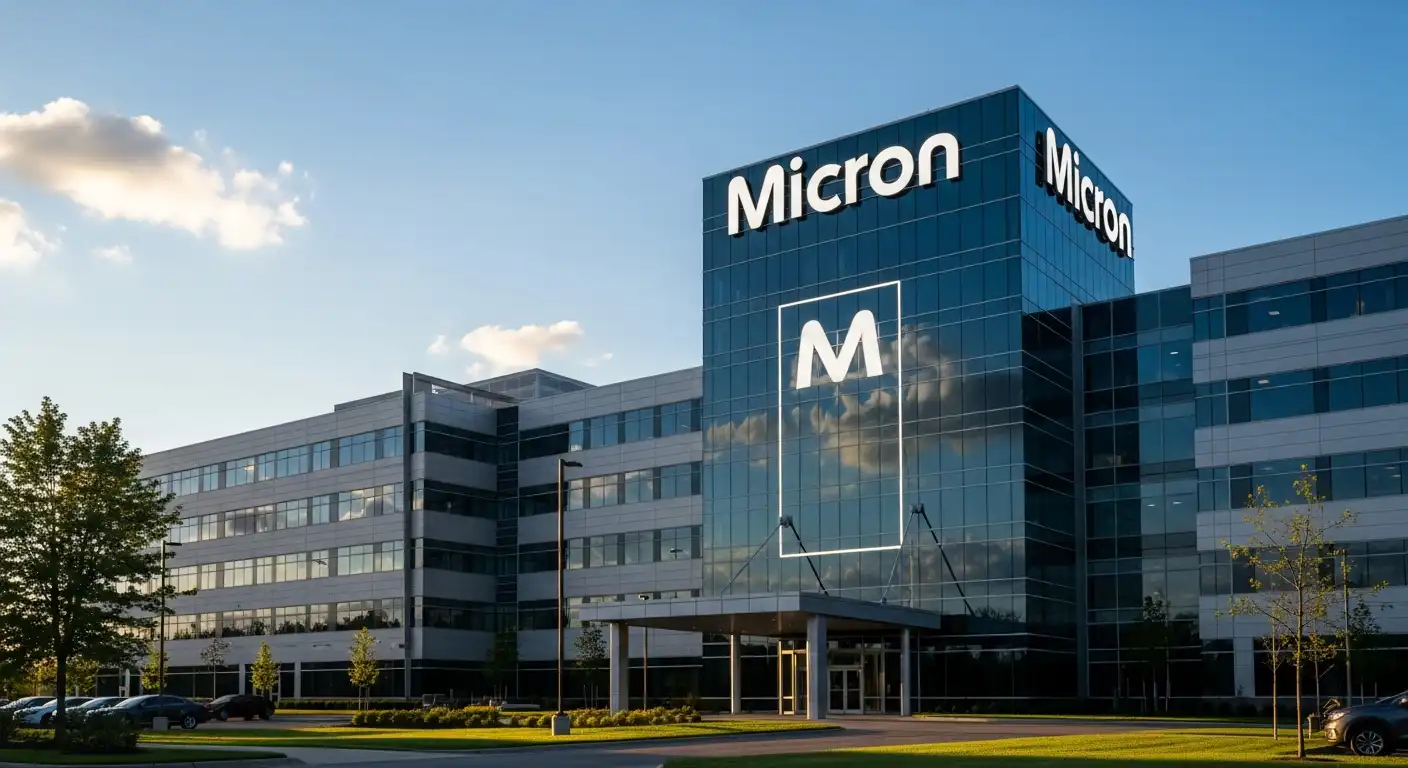
Micron Technology had a rough start to the week as its stock price took a 10% dive on Monday. This drop continues a painful streak for the memory chip maker, which has now lost 30% of its value since it released a blowout earnings report on March 18. Even though the company reported strong profits last month, investors are running for the exits as global tensions rise.
The broader tech market isn’t doing much better. High-growth companies are feeling the heat from the war involving Iran, which has now entered its fifth week. When President Donald Trump threatened to target Iranian oil facilities, oil prices shot up, making Wall Street nervous about the entire economy. This fear hit companies like SanDisk and Western Digital particularly hard, with their stocks falling between 7% and 9%.
It is a strange situation for Micron because the demand for its products has never been higher. The company produces the high-performance memory chips that power artificial intelligence systems for giants like Nvidia. Because every major tech firm wants to build AI tools right now, Micron is struggling to keep the shelves stocked.
CEO Sanjay Mehrotra recently admitted that the company simply cannot keep up with this “insatiable” demand. He noted that many of their biggest customers are only receiving about half to two-thirds of the chips they actually need. While having too many customers sounds like a good problem, the massive supply crunch is clearly starting to rattle market confidence.
Looking at the bigger picture, Micron’s stock has had a wild ride. If you look back exactly one year, the shares are still up an impressive 270%. However, almost all the progress the company made in early 2026 has disappeared during this recent slide. As of right now, the stock is only up a tiny 2% for the year.
Other cloud-infrastructure companies like CoreWeave and Nebius also saw 8% drops on Monday. It seems that as long as energy prices remain volatile and the war continues, even the most successful tech companies will face an uphill battle. Investors are currently prioritizing safety over the potential of the AI boom.