
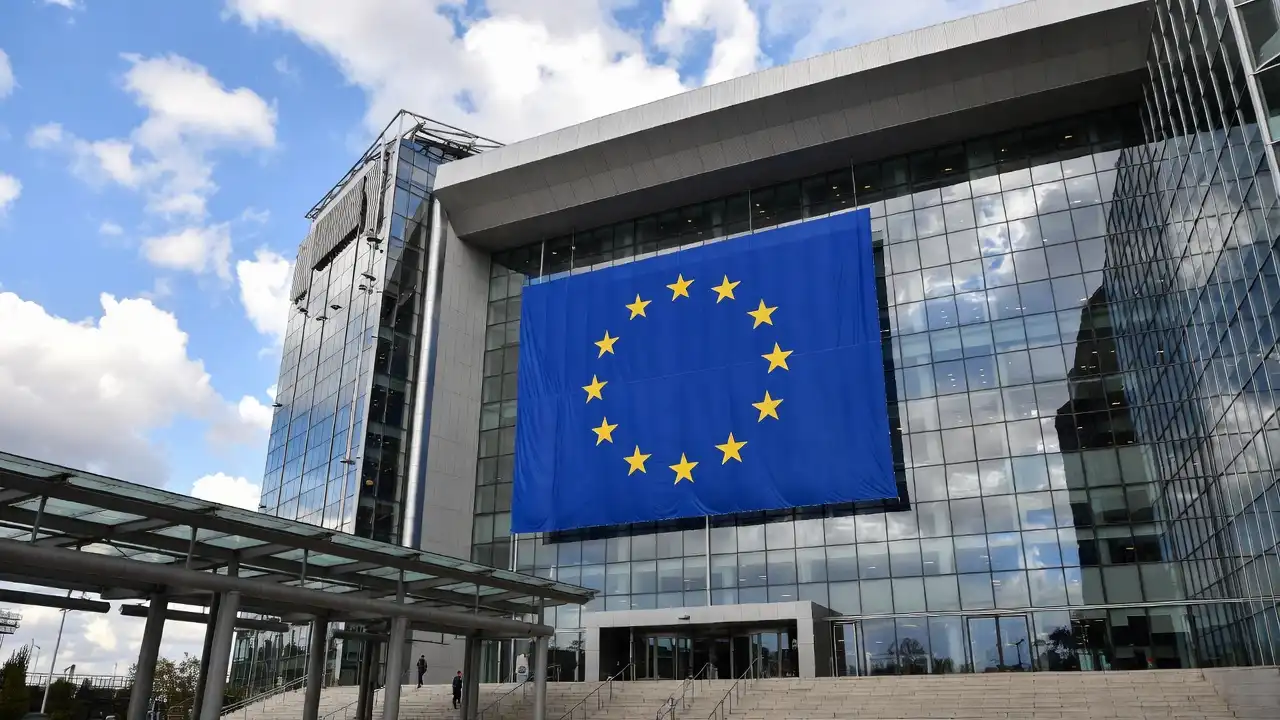
The European Commission recently announced that hackers successfully breached its cloud infrastructure. This cyber attack targeted the systems hosting the Commission’s primary web presence, known as the Europa.eu platform. Although security teams contained the threat, the situation remains serious. Reports indicate that the attackers stole approximately 350 gigabytes of data before the Commission identified and blocked their access. This represents a significant security failure for one of the most important administrative bodies in the European Union.
In an official statement, the Commission confirmed that the breach resulted in the loss of data from its public-facing websites. Officials are currently working to identify exactly which entities were affected by the incident. They have begun notifying various Union organizations that may have sensitive information stored on the compromised servers. The investigation is still in its early stages, so the Commission has not yet provided full details on how the hackers bypassed their digital defenses.
Industry experts at Bleeping Computer suggest the hackers gained unauthorized access by targeting one of the Commission’s Amazon Web Services (AWS) accounts. This specific vulnerability allowed the attackers to infiltrate the Europa websites and scrape sensitive employee data. Unfortunately, this is not the first time the Commission has struggled with cybersecurity. Just last February, the organization disclosed a similar incident that also resulted in the theft of employee information. These back-to-back breaches raise difficult questions about the Commission’s ability to protect its most critical digital infrastructure.
Security analysts often compare these incidents to larger, more disruptive attacks, such as the 2024 “Salt Typhoon” operation targeting major United States telecommunications companies. In that historic attack, foreign hackers gained access to data from the smartphones of high-level government officials, including people connected to both the Trump and Harris presidential campaigns. Compared to that massive operation, the European Commission breach appears smaller in scale. Still, the recurring nature of these attacks highlights a growing trend of foreign actors targeting political and administrative organizations.
In response to these constant threats, the European Commission has been scrambling to improve its defenses. Back in January 2026, the Commission introduced a new, comprehensive Cybersecurity Package. This set of rules aims to toughen the digital security standards across all EU member states. Specifically, the package outlines new procedures for handling risky technology companies in the telecommunications supply chain. The Commission hopes these stricter regulations will help prevent third-party vendors from becoming easy entry points for malicious hackers.
While the current breach is now under control, the incident serves as a stark reminder of how vulnerable government institutions remain. As the European Commission works to patch its systems and finish its investigation, officials face mounting pressure to prove that they can keep public data safe. Cyber threats against government bodies continue to evolve in complexity, and staying ahead of these attackers requires constant vigilance, improved infrastructure management, and much faster response times. For now, the Commission continues to work with cybersecurity experts to prevent another breach.