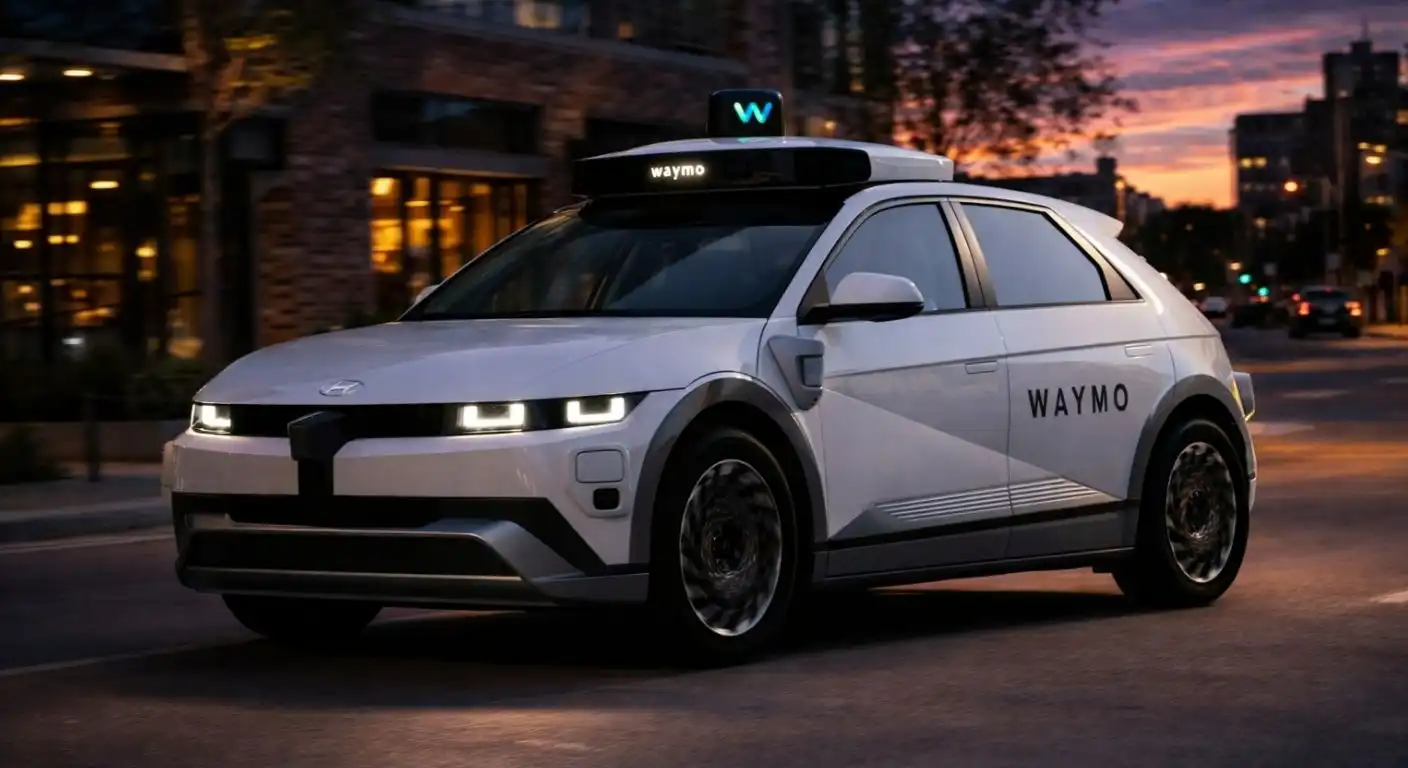
Waymo just reached a massive milestone in the self-driving car industry. The company recently announced that its robotaxis now complete 500,000 paid rides every single week. Waymo, which Google’s parent company Alphabet owns, shared this surprising number in a public post on X. This new record highlights how fast the company is turning experimental technology into a real, money-making business across the United States. Passengers can now hail these driverless cars in ten different American cities.
The sheer speed of Waymo’s recent growth tells the most exciting part of this story. Less than two years ago, the company handled a much smaller workload. Back in May 2024, Waymo cars completed just 50,000 paid trips per week. Pushing that number to half a million weekly rides today shows an incredible tenfold increase. Customers clearly feel more comfortable trusting computers to drive them to work, school, and grocery stores. As more people try the service and enjoy the quiet, driverless experience, demand continues to skyrocket.
To hit these high numbers, the company rapidly expanded its service map. Waymo originally built its reputation in just three main markets: Phoenix, San Francisco, and Los Angeles. These cities served as testing grounds where the cars learned how to handle complex traffic and bad weather. Once the technology proved reliable, Waymo aggressively pushed into the Sun Belt. Over the past year alone, the company launched its robotaxis in Austin, Atlanta, Miami, Dallas, Houston, San Antonio, and Orlando. This rapid rollout proves the company feels confident dropping its cars into totally new environments.
Surprisingly, Waymo achieved this massive jump in ridership without putting thousands of new cars on the road. The company carefully guards its exact fleet size, but government records give us a good idea of how many cars they operate. In December 2025, Waymo told the National Highway Traffic Safety Administration that it ran 3,067 robotaxis. The company still uses that rough number today. Because the fleet size stayed the same while rides increased tenfold, we know Waymo is getting much better at using the cars it already has.
This focus on efficiency matters deeply for the company’s bottom line. When empty robotaxis roam the streets waiting for passengers, they burn money and cause unnecessary traffic jams. By keeping the cars busy with paying customers, Waymo moves closer to actual profitability. However, the current fleet of Jaguar vehicles will not last forever. Waymo plans to introduce its brand new, sixth-generation self-driving system very soon. The company will install this upgraded computer brain into custom Zeekr minivans and electric Hyundai Ioniq 5 SUVs, which will give passengers more room and better comfort.
Of course, putting robotaxis on public streets still causes plenty of friction. As the company grows, it faces intense pressure and scrutiny from local residents and federal regulators. Right now, two major government agencies are actively investigating Waymo. The National Highway Traffic Safety Administration and the National Transportation Safety Board want to know why some robotaxis broke traffic laws around stopped school buses. Safety experts worry that a computer glitch could put children at serious risk.
Local city leaders also express deep frustration with the driverless cars. Officials in San Francisco regularly complain about how the company handles vehicles that simply freeze in the middle of the road. When a Waymo car gets confused, it just stops moving entirely. Sometimes, the company has to call local police officers or firefighters to move the stuck cars and clear the traffic jams. These incidents anger local drivers and drain public emergency resources, forcing Waymo to constantly apologize and promise software fixes.
Despite the rapid growth and half a million weekly rides, Waymo still looks tiny compared to traditional ride-hailing apps. Human drivers completely dominate the transportation market. For example, Uber completed an astonishing 13.5 billion trips in 2025 alone. During an earnings call in August 2024, Uber leaders bragged that they complete more than one million mobility trips every single hour. Waymo needs an entire week just to do half of what Uber does in sixty minutes. The robotaxi revolution is definitely moving forward, but human drivers have nothing to worry about just yet.