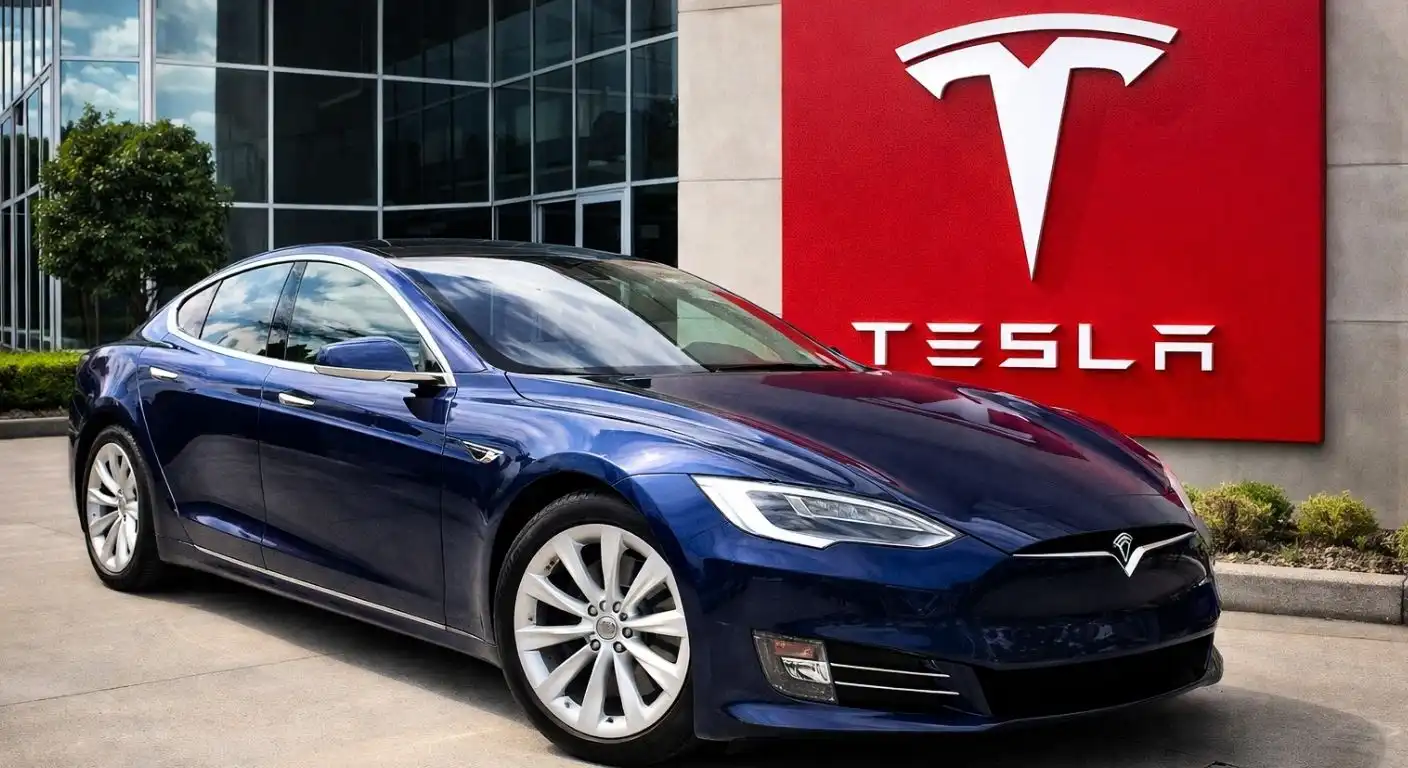
Tesla is facing fresh legal and public relations headwinds today following an explosive report suggesting the company provided misleading information regarding its “Full Self-Driving” (FSD) software. According to leaked internal documents and whistleblower testimonies, Tesla’s marketing materials may have significantly exaggerated the actual capabilities of the technology. These revelations have sparked a firestorm of debate among safety regulators, investors, and loyal Tesla drivers who have paid thousands of dollars for the advanced driver-assistance features.
At the heart of the controversy is the gap between the company’s public claims and the technical reality of its software. While Tesla has marketed the feature as “Full Self-Driving” for several years, internal engineering logs indicate that the system still struggles with basic navigation tasks in complex, real-world environments. Experts point out that the software is technically a Level 2 driver-assistance system, which requires constant driver supervision, rather than the autonomous “robotaxi” experience that some marketing campaigns appeared to promise.
The financial implications for the electric vehicle giant could be severe. Many customers have paid upwards of $12,000 for the FSD package, assuming they were purchasing a product that would eventually handle all driving duties without human intervention. If investigations conclude that the company knowingly misled buyers, Tesla could face massive class-action lawsuits and potential federal fines reaching into the billions of dollars. Analysts are already noting a 2.5% dip in the stock price as shareholders digest the risk of potential regulatory crackdowns.
This is not the first time Tesla has drawn the attention of the National Highway Traffic Safety Administration (NHTSA). Regulators have long questioned the naming convention of the software, arguing that it creates a false sense of security for users. The new reports suggest that the company’s leadership was aware of these safety limitations but prioritized the expansion of the FSD program to bolster quarterly revenue. For a company that relies on its reputation for innovation, these allegations strike at the core of the brand’s identity.
Public trust is already showing signs of erosion. Online forums and social media platforms are filled with frustrated owners sharing videos of the software failing to recognize basic road hazards, such as lane construction or sudden pedestrian crossings. While Tesla regularly releases “over-the-air” updates to refine the system, critics argue that these improvements fail to address the fundamental issues regarding the software’s architecture. A growing number of consumers are now demanding refunds, claiming that the product they received does not match the product they were sold.
Internal documents indicate that Tesla engineers raised concerns about the “Full Self-Driving” branding as early as 2024. These engineers warned that the term could lead drivers to become complacent, effectively taking their hands off the wheel when they should be paying close attention to the road. Despite these warnings, the company continued to push the feature in advertisements, touting it as a revolutionary breakthrough that would soon change the way the world moves.
As the situation develops, the broader automotive industry is watching closely. Traditional car manufacturers like Ford and General Motors have generally taken a more cautious approach to autonomous technology, often labeling their own systems as “advanced driver assistance” to manage expectations. Tesla’s high-stakes gamble on full autonomy has been a major pillar of its massive $800 billion market valuation. If the company is forced to rebrand or overhaul its FSD software, it could permanently change its roadmap for future growth.
Looking toward the remainder of 2026, Tesla faces a defining moment. Investors are waiting to see how the company responds to the growing mountain of evidence. The board of directors will likely need to issue a clear statement or implement significant changes to its marketing strategy to calm institutional investors. For now, the “Full Self-Driving” saga serves as a harsh reminder that even the most ambitious tech companies are not immune to the scrutiny of regulators and the power of public opinion.