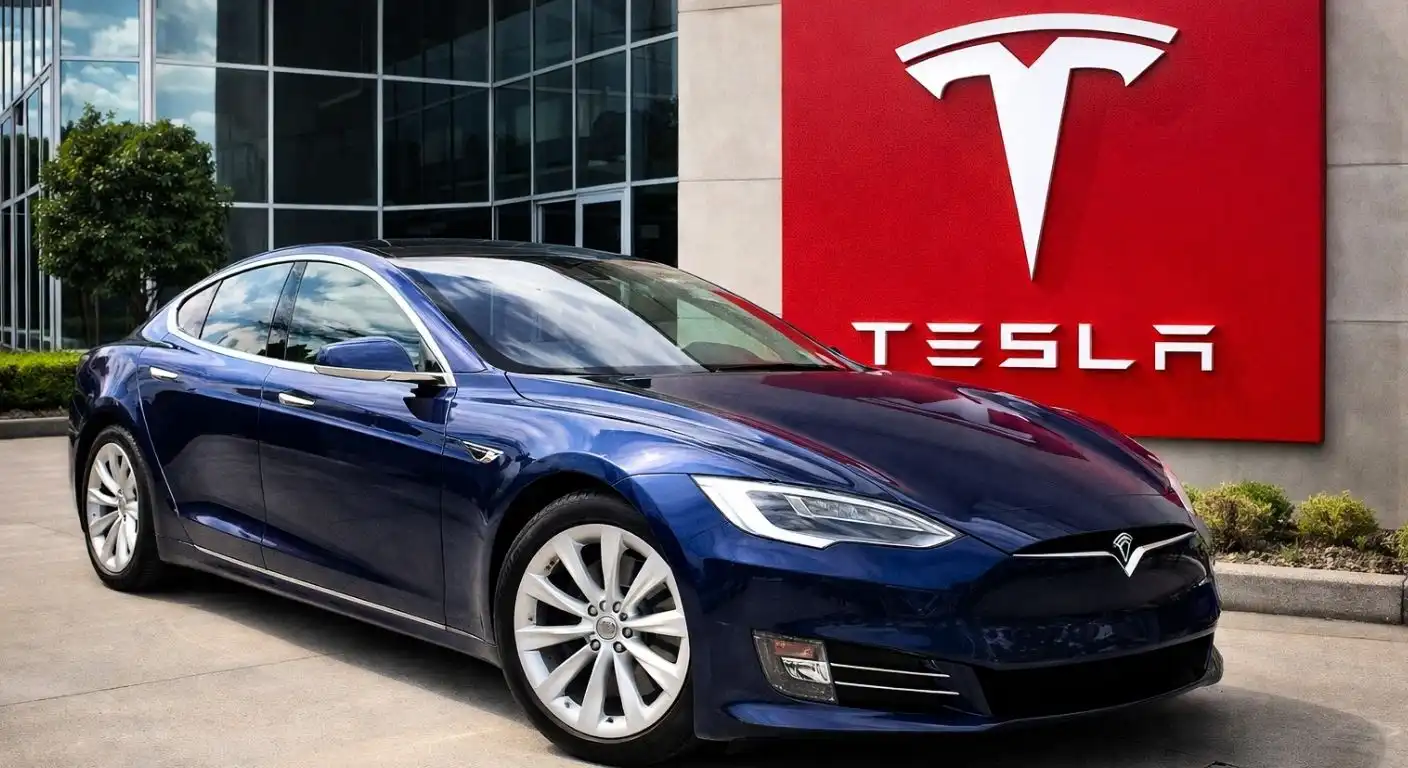
Tesla officially brought its “Full Self-Driving” (FSD) capabilities to China this Thursday, ending years of speculation and regulatory hurdles. The company announced the rollout on X, the social media platform owned by Tesla CEO Elon Musk. The post listed China as one of 10 new markets where the supervised version of its FSD system is now available. This update marks a major turning point for the automaker, which has long struggled to gain approval for its most advanced driver-assistance features in the world’s largest electric vehicle market.
The move comes only one week after Musk joined President Donald Trump on a high-stakes diplomatic visit to Beijing. During the summit, Musk met with Chinese leader Xi Jinping alongside a delegation of other top American business executives. While the company did not provide specific details on whether the summit directly influenced the regulatory decision, the timing of the rollout suggests that the diplomatic talks helped clear the path for the long-delayed software update.
For years, Tesla customers in China have lived in a state of ambiguity. While American drivers enjoyed the full FSD experience starting in 2020, Chinese owners were restricted to using the more basic “Autopilot” and “Enhanced Autopilot” systems. These earlier versions lack the complex decision-making abilities found in FSD, leaving Chinese customers feeling like they were missing out on the primary reason many people buy a Tesla. According to Tesla’s Chinese website, the company charges a one-time fee of 64,000 Chinese yuan—roughly $9,409—for this new “intelligent assisted driving” package.
Musk previously offered several optimistic timelines for the Chinese launch, but none of them came to pass. In July 2024, he told investors during an earnings call that he expected regulatory approval before the end of that year. That goal slipped by, and in September 2024, Musk had to walk back his comments, admitting the technology remained stuck in the regulatory review phase. Even as recently as April 2026, Tesla’s Chief Financial Officer, Vaibhav Taneja, told investors that the company was still waiting for the final green light from Chinese authorities.
Speculation reached a fever pitch just days before the announcement when news outlets reported that Tesla was aggressively hiring autopilot test engineers across China. This hiring spree served as a clear signal that the company had finally received the necessary signals from Beijing to move forward. The sudden change in fortune is a welcome relief for Musk, who has watched his company face increasing pressure from local competitors throughout his time in China.
During Tesla’s long wait for regulatory approval, Chinese brands like Xiaomi, Xpeng, and BYD raced ahead with their own proprietary self-driving systems. Companies like Pony.ai and Baidu’s Apollo Go also made significant progress in developing autonomous robotaxi networks. These local firms spent over $1 billion on research and development to tailor their software to China’s unique, high-density traffic conditions, giving them a significant head start over the American automaker.
Despite the stiff competition, Tesla remains a top contender in the region. In April, Tesla China sold the fourth-highest number of electric vehicles in the country, trailing only BYD and massive automotive conglomerates like Geely and Chery. However, the company faces a tight market where a drop of even 1.5% in market share can cost hundreds of millions of dollars in annual revenue. Adding FSD capabilities gives Tesla a much-needed tool to differentiate itself from cheaper local models.
This rollout represents a massive test for Tesla’s software. China’s roads present a different set of challenges compared to the U.S., including different traffic patterns, signage, and driving habits. By finally bringing FSD to this market, Tesla has a chance to collect millions of miles of new data. This data will be vital for training future AI models, potentially helping the company regain its position as the global leader in autonomous driving.
For now, Chinese Tesla owners can finally access the same software suite that has defined the brand’s identity in the West. Whether this will be enough to stop the rising tide of local competitors remains to be seen. However, by finally satisfying the requirements of Chinese regulators, Tesla has cleared the biggest hurdle in its international growth strategy for 2026.