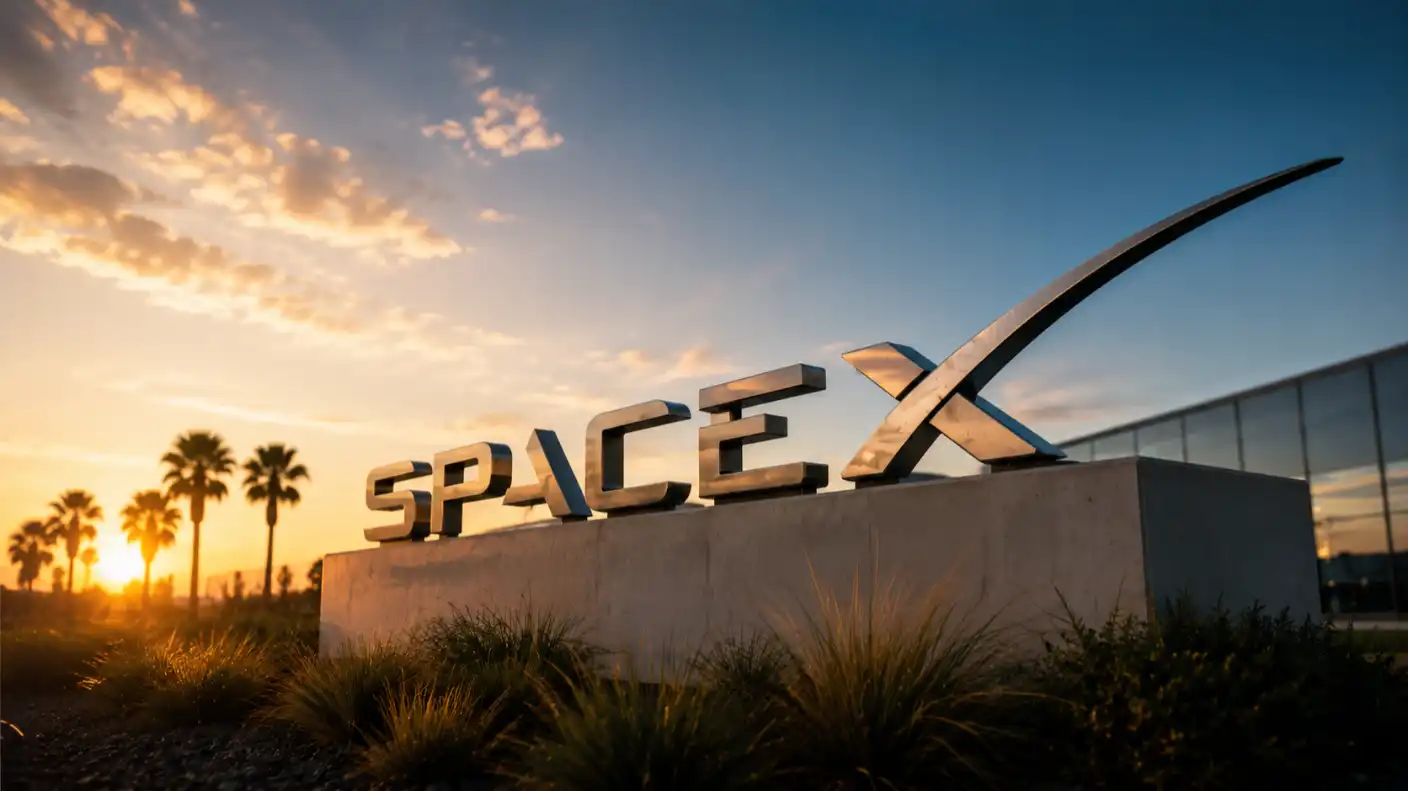
SpaceX leadership has addressed growing staff speculation regarding a potential initial public offering (IPO) during an all-hands meeting held at the company’s Starbase facility. With the aerospace giant reaching a massive valuation of roughly $250 billion in recent private funding rounds, many employees have naturally turned their attention toward liquidity options. However, company executives clarified that while the path to public markets remains a topic of internal discussion, the primary focus continues to center on ambitious mission goals rather than immediate stock market entry.
During the session, management addressed the “choreo”—a term used by staff to describe the complex coordination required to prepare for a public listing—and emphasized that any such move requires extreme discipline. Currently, SpaceX manages a highly successful private equity program where it facilitates secondary share sales approximately every six months. This mechanism allows long-term employees to sell a portion of their holdings at a valuation determined by the latest investment cycles, effectively providing the liquidity of a public company without the regulatory overhead and short-term pressure of being listed on a stock exchange.
The scale of SpaceX’s operations has grown significantly, with the company now completing over 100 successful orbital launches per year. This operational tempo generates consistent cash flow, reducing the immediate need for the massive capital infusions that typically drive other high-growth startups toward an IPO. Financial analysts estimate that the company’s annual revenue has soared past $15 billion, driven by the expanding Starlink satellite internet constellation and lucrative government contracts for deep space exploration.
Despite the stable financial outlook, the prospect of a public listing continues to generate internal debate. Some staff members argue that an IPO would provide greater transparency and a clearer exit strategy for early investors. Conversely, leadership maintains that remaining private grants the company the agility needed to pursue high-risk, long-term engineering projects like the Starship launch system. This freedom allows SpaceX to spend $2 billion annually on research and development without answering to quarterly earnings expectations that might otherwise force the cancellation of experimental ventures.
The secondary market for SpaceX shares has become one of the most active in the private tech sector. Recent internal share buybacks saw the company price its stock at a level that represents a 15% increase compared to the previous year. This consistent growth trajectory keeps employees engaged and invested in the mission, even as they watch other major tech firms pursue aggressive IPO strategies. Leadership noted that while an IPO is not currently on the immediate roadmap, they continue to evaluate all options that could benefit the company’s long-term sustainability.
Moving forward, the primary goal remains the deployment of global satellite internet and the eventual colonization of Mars. Executives stated that these milestones require the full concentration of the engineering and manufacturing teams. While an IPO remains a distant possibility, the company plans to stick to its current secondary market structure for the foreseeable future. This approach allows SpaceX to maintain its status as one of the world’s most valuable private entities while providing financial rewards to the people who build its rockets.
As the aerospace industry undergoes rapid transformation, the internal culture at SpaceX continues to prioritize technical excellence over market hype. Whether or not the company eventually rings the opening bell at the New York Stock Exchange, its massive influence on global telecommunications and space travel is already firmly established. For now, the focus at headquarters remains squarely on the next launch, leaving the question of a public debut as a secondary concern behind the pursuit of interplanetary travel.