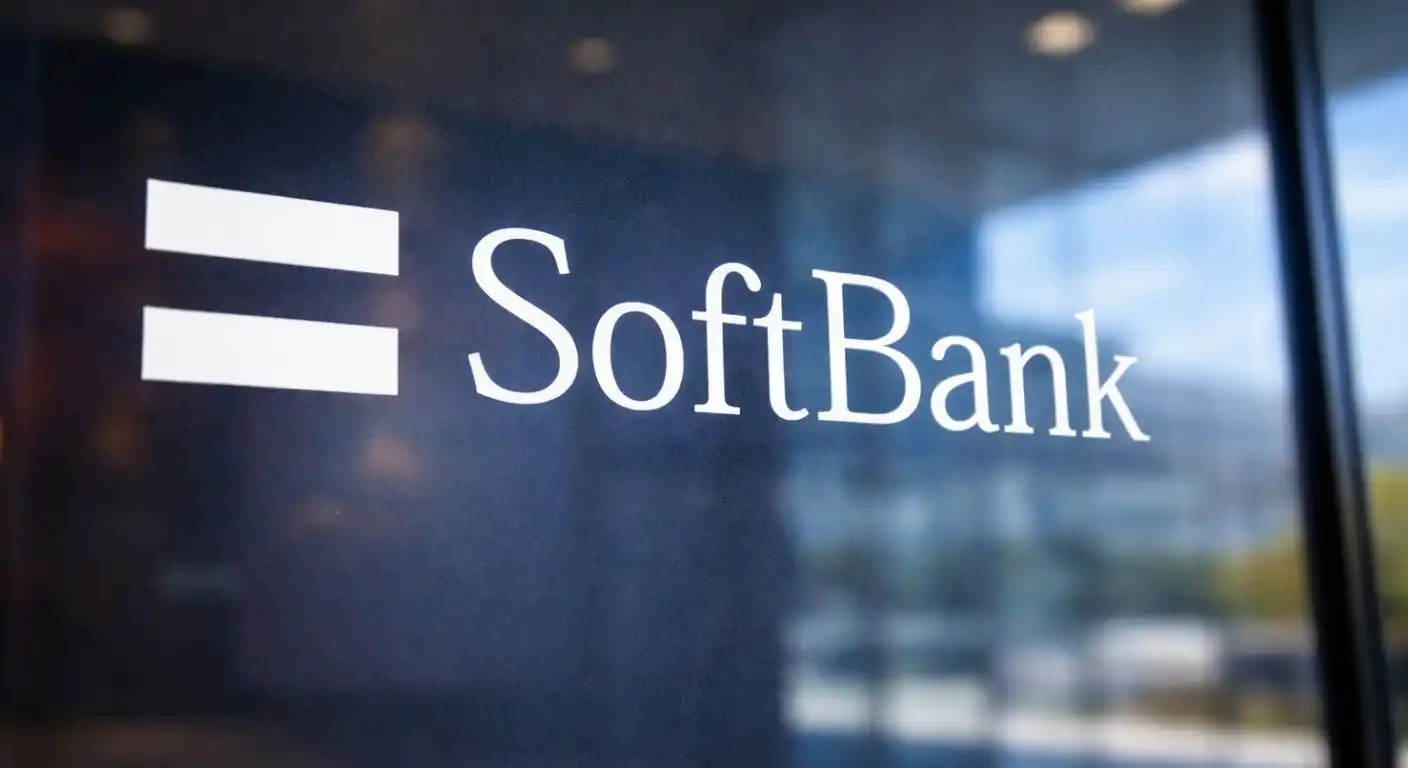
Global financial markets witnessed a powerful surge on Monday following the announcement of a landmark peace agreement between the United States and Iran. Investors reacted with immediate enthusiasm to the news, which promises to de-escalate tensions in the Middle East and stabilize critical global energy supply chains. SoftBank Group Corp. led the charge in Asian trading, with its shares climbing more than 12% as market confidence returned to the technology and semiconductor sectors.
The rally marks a significant shift in sentiment after months of geopolitical uncertainty. U.S. President Donald Trump confirmed the breakthrough via a social media post, stating that the deal with the Islamic Republic of Iran is now complete. The agreement includes the reopening of the Strait of Hormuz—a vital maritime corridor for roughly 20% of the world’s crude oil—without a toll system. Furthermore, the United States has committed to ending its naval blockade of Iran, a move that triggered an immediate decline in global oil prices and calmed inflation fears.
SoftBank, already a dominant force in the Japanese market, saw its valuation benefit directly from this newfound stability. As a major investor in artificial intelligence and chip technology, the company serves as a key proxy for the health of the broader tech sector. Analysts point to SoftBank’s 90% stake in semiconductor designer Arm Holdings as a primary driver of this growth. Because Arm’s architecture is essential for modern computing and AI infrastructure, any reduction in global risk directly improves the outlook for SoftBank’s sprawling investment portfolio.
The positive momentum extended well beyond SoftBank. Other major technology players across Asia also posted significant gains. In Japan, Tokyo Electron saw its stock rise by 9.19%, while Advantest climbed 7.69%. Similarly, South Korea’s tech heavyweights, Samsung Electronics and SK Hynix, jumped by 4.65% and 6.42%, respectively. Even Taiwan Semiconductor Manufacturing (TSMC) and Foxconn recorded gains, illustrating a broad-based recovery as capital flowed back into growth-oriented industries.
For many investors, the peace deal arrived as a welcome catalyst. Months of conflict had kept energy prices high and created significant volatility in the stock market. With the announcement of a formal signing ceremony scheduled for June 19 in Switzerland, market participants are now betting that the normalization of shipping routes will provide a much-needed boost to the global economy. The VIX, often called the “fear gauge,” also saw a notable decline, signaling that the initial shock of the Middle East crisis is beginning to fade.
Looking ahead, the market appears focused on the long-term implications of this diplomatic breakthrough. While geopolitical tensions can return quickly, the current framework provides a foundation for stability. For companies like SoftBank, which are heavily invested in the next generation of AI and digital infrastructure, the reduction in macro-level risk allows for a renewed focus on innovation and expansion. If the agreement holds, analysts expect the current “risk-on” environment to continue, potentially pushing global indices toward further record highs as investors reallocate funds into the tech sector.