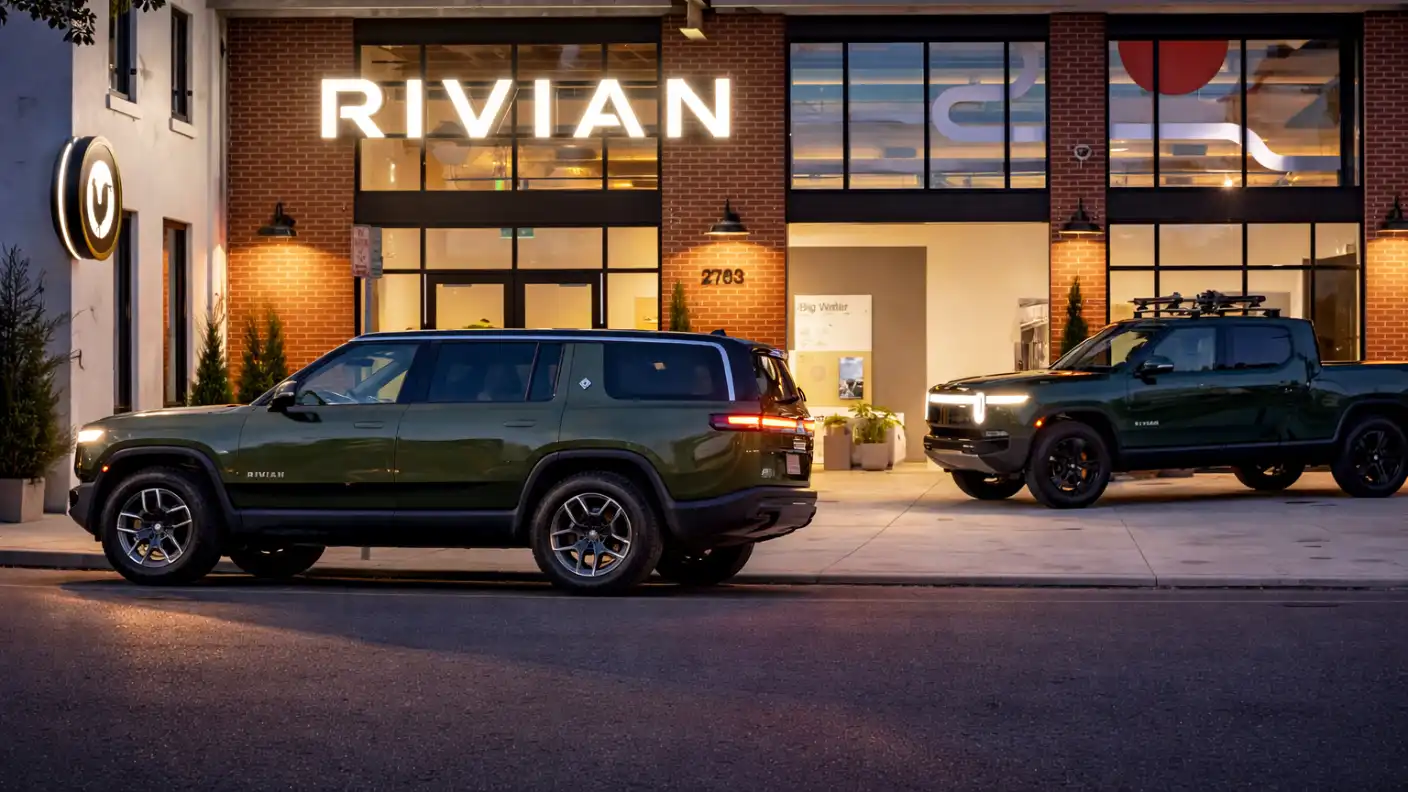
Rivian Automotive now faces a significant legal hurdle as customers have filed a class-action lawsuit alleging the electric vehicle manufacturer misled them about the self-driving capabilities of its first-generation R1T trucks and R1S SUVs. The complaint, which was filed this Wednesday in the U.S. District Court for the Central District of California, accuses the company of running a deceptive five-year marketing campaign.
At the heart of the dispute is the “Driver+” system. Plaintiffs argue that Rivian promised this feature would eventually provide hands-free, eyes-off driving—functionality classified as Level 3 autonomy by the Society of Automotive Engineers. According to the lawsuit, Rivian marketed this technology as a standard feature that would either be available at purchase or enabled through future software updates.
However, the legal filing paints a much bleaker picture for owners of these early vehicles. The plaintiffs contend that the first-generation R1 vehicles simply lack the necessary hardware—including the cameras, sensors, and computing power—to ever support true Level 3 autonomous driving. They claim that no software update, no matter how advanced, will bridge this technical gap.
The lawsuit alleges that Rivian understood these limitations from the start yet continued to promote the capabilities to drive sales. Specifically, the plaintiffs point to public statements made by CEO RJ Scaringe, including his appearance at TechCrunch Disrupt in 2022, as evidence of a pattern of misleading representations. The legal team representing the owners is pursuing claims of fraud, negligent misrepresentation, and unjust enrichment.
This news comes as Rivian continues to navigate a challenging automotive market. While the company saw its stock price close up 1.6% on Thursday, it dipped 0.24% in after-hours trading as investors weighed the potential implications of the suit. Despite these legal headwinds, the company is pushing forward with its next-generation vehicles and expansion plans.
Unlike the first-generation models, Rivian’s newer R1 vehicles feature a significantly overhauled autonomy platform. This updated system includes 11 cameras and five radar sensors, supported by a computer that is 10 times more powerful than the version found in the Gen 1 lineup. While these hardware improvements have allowed the company to roll out “Universal Hands-Free” updates to newer vehicles, that technology remains out of reach for owners of the original fleet.
Rivian has declined to provide a statement regarding the ongoing litigation. As the case moves forward, it adds to a growing list of legal and financial challenges the company has faced in recent years. This latest action follows a separate 2022 securities litigation that recently concluded with a $250 million settlement, which Rivian agreed to pay to resolve claims from early investors.
For many owners, this lawsuit is a matter of transparency. While some users acknowledge that driver assistance features are constantly evolving, many feel that the gap between the promised capabilities and the actual performance of their Gen 1 vehicles is too wide to ignore. Whether this case will ultimately hold the automaker accountable for its marketing claims remains to be seen.