New York has officially taken a stand against the rise of wearable recording technology. Starting July 20, 2026, the state will implement a strict, blanket ban on all smart glasses and similar head-mounted devices within its court facilities. This sweeping mandate applies to every one of the 1,240 state, county, city, town, and village courts across New York, marking the first time a U.S. state has enforced such a comprehensive rule.
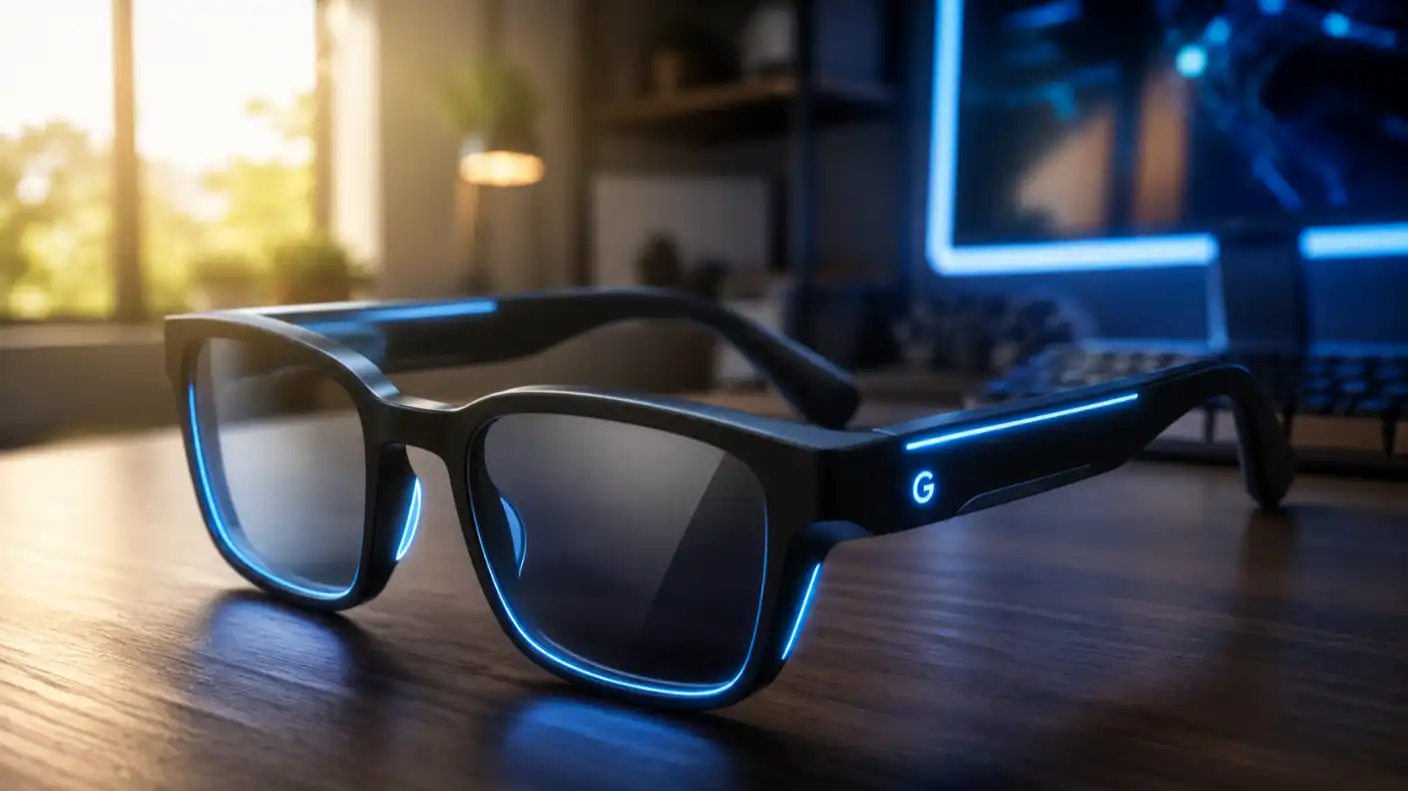
The decision stems from a growing concern over the potential for individuals to record court proceedings secretly. While traditional cameras and phones have long been restricted in these settings, smart glasses present a new challenge. Because these devices often resemble standard fashion eyewear, they can capture audio or video without drawing any attention. This ability threatens the privacy of sensitive legal matters and violates existing rules that strictly prohibit unauthorized recording, photography, or broadcasting within any courthouse office, courtroom, or hallway.
Under the new policy, the ban is absolute. It covers all eyewear and headwear equipped with cameras, microphones, or any other form of recording technology. Crucially, the rule makes no exceptions for prescription lenses. Even if a person relies on their smart glasses to see, they must leave them behind or surrender them to uniformed court officers at the entrance. These officers will hold the devices for safekeeping until the owner leaves the building.
The regulation applies to absolutely everyone, including the general public, legal professionals, and even court staff. By removing these devices from the environment entirely, the New York State Unified Court System aims to close a privacy loophole that has become increasingly difficult to manage. Although some courts in states like Wisconsin and Pennsylvania have already restricted such technology on an individual basis, New York’s move represents the first time a state has mandated a uniform policy across its entire judicial network.
This crackdown follows a series of incidents where wearable technology caused concern in public and legal settings. While manufacturers often include small LED lights to indicate when a device is recording, users can sometimes disable these indicators. High-profile moments, such as when individuals wore smart glasses during significant court testimony, have put extra pressure on officials to update their security protocols. As smart glasses become more common and less distinguishable from standard frames, courts see this as a necessary step to protect the integrity of the judicial process.
The state’s directive acts as a proactive measure to ensure that court participants—ranging from jury members to witnesses—remain protected from unintended surveillance. For anyone planning to visit a New York courthouse after July 20, the guidance is simple: if your eyewear can record, leave it at home or in the car. Bringing a pair of standard, non-recording glasses is the only way to avoid having your gear confiscated at the door.