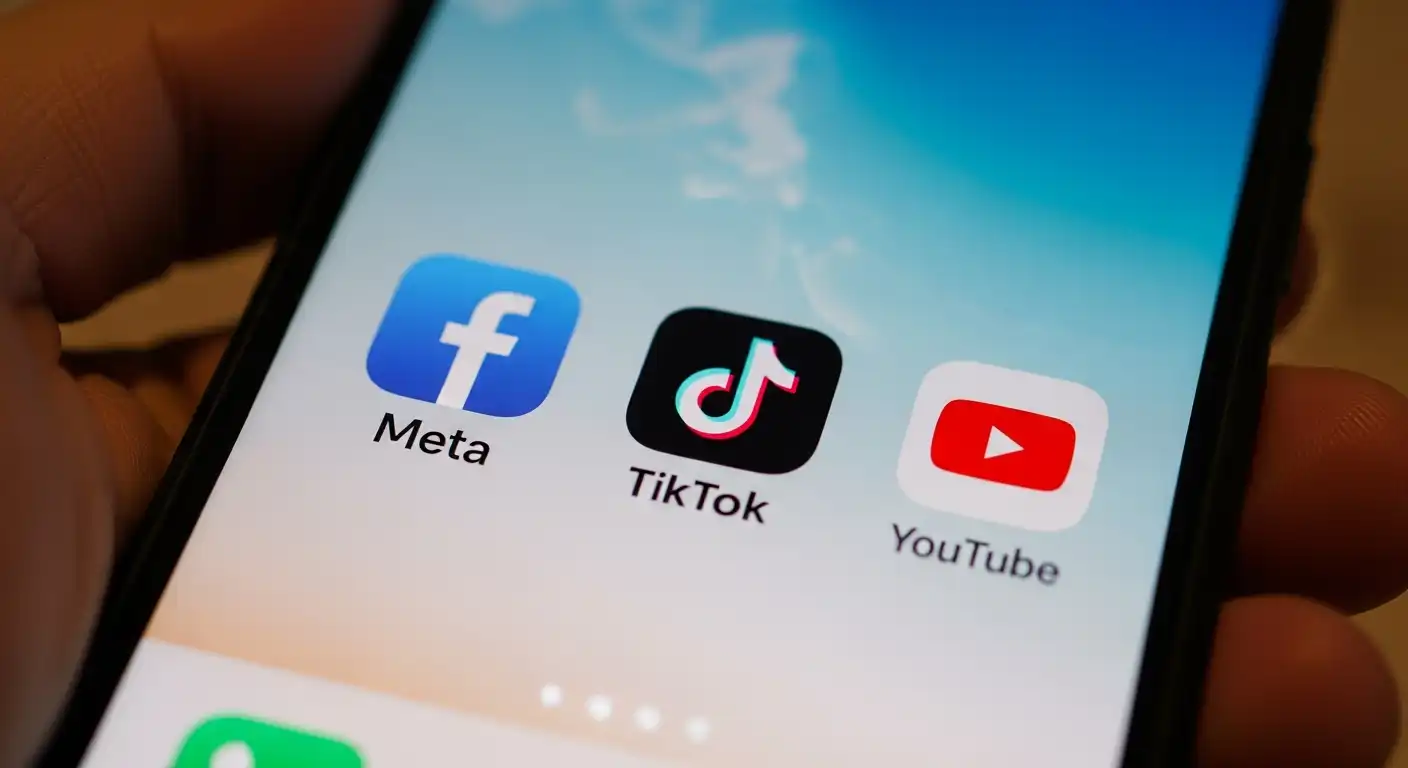
The United Kingdom is taking drastic steps to reshape the digital lives of its younger citizens. Starting today, June 15, 2026, a sweeping new government mandate prohibits children under the age of 16 from accessing major social media platforms. The landmark legislation, dubbed the “Digital Safety and Wellbeing Act,” aims to address the rising crisis of mental health issues among adolescents. Officials argue that constant exposure to algorithmic feeds and cyberbullying has reached an unsustainable level, necessitating this aggressive intervention.
Under the new rules, tech giants now face enormous financial penalties if they fail to verify the ages of their users. Companies must implement robust identity-checking technology, or they risk fines of up to 4% of their total global annual revenue. For a company like Meta, which reported roughly $150 billion in annual revenue last year, this could translate to a potential fine of $6 billion for a single regulatory oversight. These steep penalties signal that the government is serious about prioritizing child safety over corporate profits.
The social media industry has reacted with a mix of concern and logistical scrambling. Executives from platforms like TikTok, Instagram, and Snapchat held emergency meetings with Parliament last week to discuss the implementation of these age-verification tools. While these companies have promised to cooperate, they warned that the shift will be incredibly difficult to manage. Many platforms estimate that they will need to hire thousands of additional human moderators and invest over $500 million into new AI-driven security systems just to comply with the initial phase of the rollout.
Public opinion remains deeply divided, reflecting a clash between individual privacy and child protection. Supporters of the ban, including several high-profile parenting advocacy groups, point to studies suggesting that teenage social media usage correlates with a 30% increase in anxiety and depression rates. They believe that removing these distractions will help children focus on their education and face-to-face social connections. Teachers and school administrators have largely welcomed the news, hoping that the ban will reduce the volume of classroom disruptions linked to social media drama.
Conversely, privacy advocates raise serious concerns regarding the surveillance required to enforce such a law. To verify the age of every user, platforms must collect government-issued IDs, birth certificates, or biometric data from millions of people. Critics worry that this massive database of sensitive information creates a massive security risk, making these companies prime targets for hackers. Furthermore, some civil liberties organizations argue that this ban unfairly restricts the freedom of expression for teenagers who use social media to find supportive communities or educational resources.
The government maintains that the benefits far outweigh the risks. Ministers have set aside an additional $200 million for a public awareness campaign, which will guide parents on how to navigate the transition and provide resources for those struggling with digital addiction. The law also includes an exemption for educational platforms and messaging apps that do not utilize addictive, infinite-scroll algorithms, provided they meet strict safety standards.
As the June 15 deadline takes effect, the digital landscape in the U.K. is entering a period of significant uncertainty. Tech companies have 30 days to fully demonstrate their compliance before the first wave of investigations begins. Whether this move effectively improves adolescent mental health or merely forces teenagers to find ways to bypass the restrictions remains a major question. For now, parents, tech companies, and regulators are all watching closely to see if this historic ban achieves its intended goals or triggers a new wave of unintended consequences.