Intel continues to command attention on Wall Street as it cements its position as a central player in the artificial intelligence revolution. Despite an impressive 240% climb in its share price so far in 2026, CNBC’s Jim Cramer continues to champion the semiconductor giant as his “new favorite stock.” During his recent investment club meeting, the veteran market commentator doubled down on his bullish stance, suggesting that Intel still holds significant room for growth as the market shifts its focus toward the next phase of AI computing.
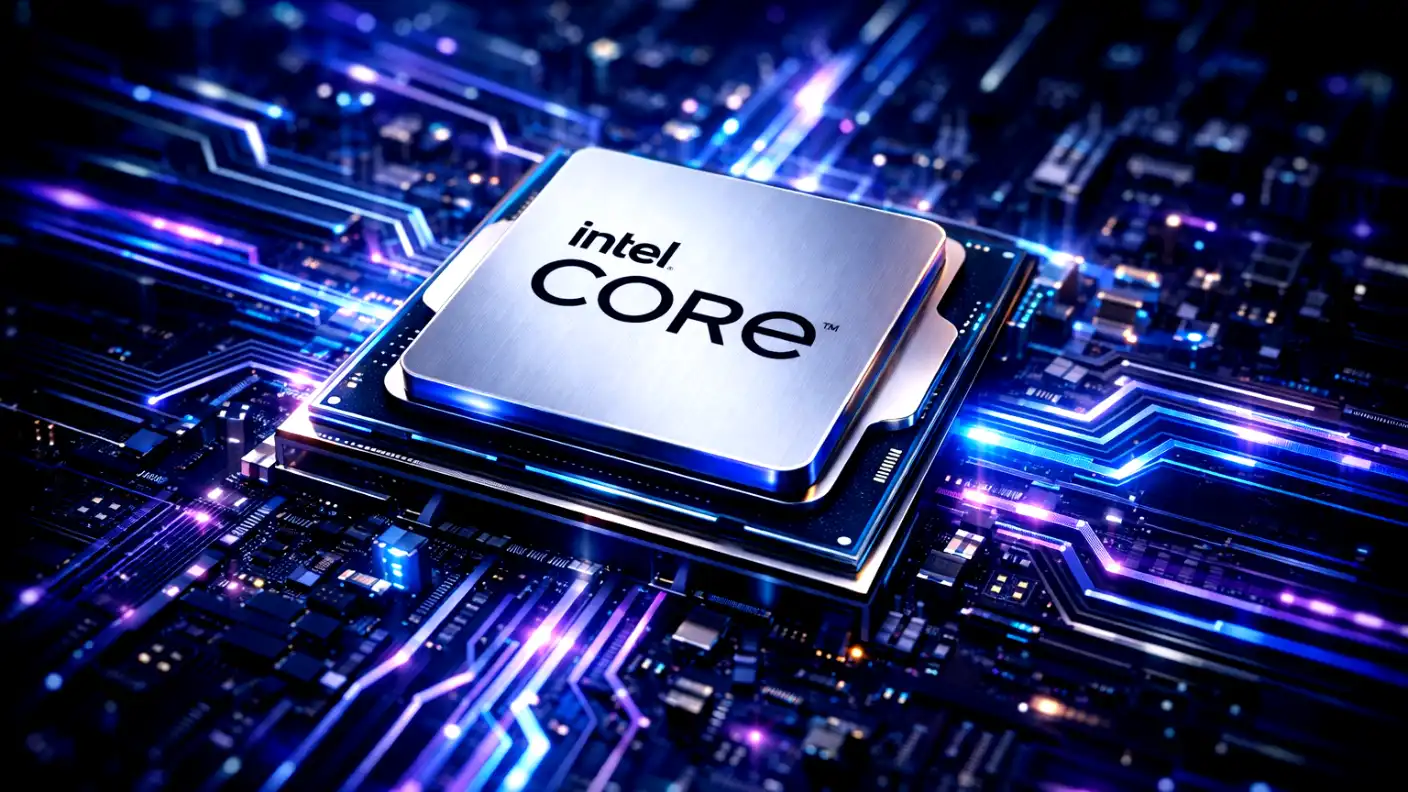
The core of Cramer’s thesis rests on a fundamental change in how the industry views artificial intelligence. While the initial wave of the AI boom favored companies focused purely on graphical processing units (GPUs), the current environment is demanding more general-purpose computing power. Cramer pointed to the rising trend of “agentic systems”—AI programs designed to perform autonomous tasks—as the primary catalyst for Intel’s resurgence. These sophisticated systems require robust central processing units (CPUs), a domain where Intel remains a dominant force.
Under the leadership of CEO Lip-Bu Tan, the company has effectively navigated what was once a period of significant uncertainty. The turnaround has been nothing short of historic. Intel, which saw its share price languish in the low $20 range in August 2025, has since secured major votes of confidence. Notably, the U.S. government took a 10% stake in the firm last year, and industry rivals including Nvidia have also moved to solidify their exposure to Intel’s future through multi-billion-dollar investments.
Beyond its core CPU business, Intel’s emerging foundry services division is finding new momentum. As global demand for high-end chips hits capacity limits elsewhere, many designers are seeking alternative, U.S.-based suppliers to ensure supply chain stability. Intel’s ability to manufacture and provide advanced packaging services has transformed it from a legacy chipmaker into a vital partner for the future of the AI data center buildout. Recent reports indicate that the company’s manufacturing processes are clearing hurdles, further justifying the optimism from institutional investors.
The financial performance of the company reinforces this strategic shift. In the first quarter of 2026, Intel reported revenue of $13.58 billion, a 7.2% increase compared to the previous year. Even more telling is the 22% growth in its Data Center and AI segment, which brought in $5.05 billion. These numbers validate the company’s pivot, proving that the move toward intelligent, agent-driven infrastructure is already translating into tangible revenue growth.
While some analysts maintain a more cautious “hold” rating, citing the rapid appreciation of the stock price, Cramer remains undeterred. He emphasizes that investors who are still looking for exposure to the AI rally should not overlook the “CPU comeback.” With Intel’s foundry problems largely addressed and a clear roadmap for the next generation of process nodes, the company is positioning itself to be as critical to the future of technology as any other player in the semiconductor sector. For now, the “Mad Money” host sees Intel as the number one name to watch.