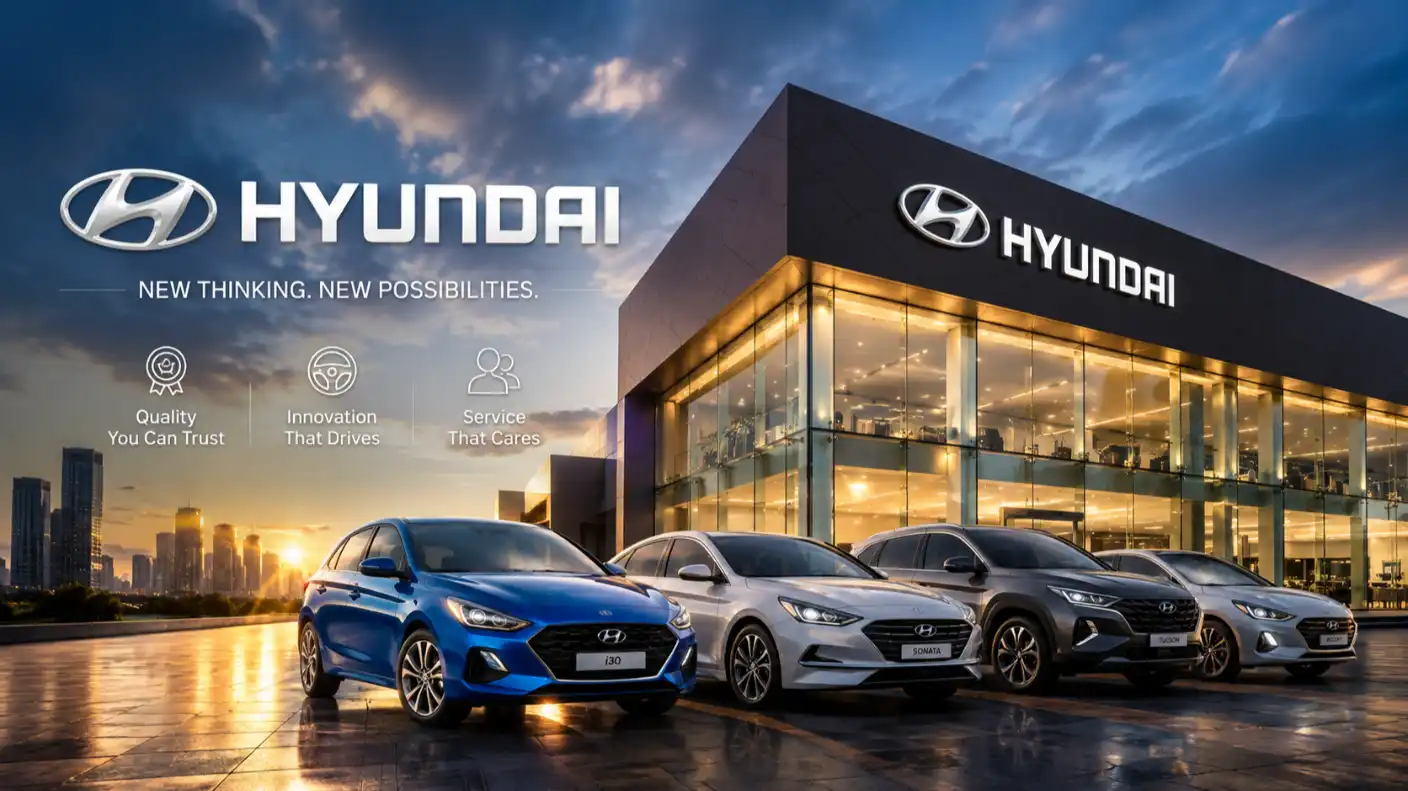
Hyundai Motor Group is doubling down on its commitment to robotics by purchasing the remaining stake in Boston Dynamics from SoftBank. The South Korean automotive giant will pay $325 million to acquire the final portion of the world-renowned robotics firm, effectively bringing the company under its complete ownership. This strategic move marks the end of SoftBank’s involvement with the robotics pioneer and signals a new era for Hyundai as it integrates advanced automation into its global manufacturing and logistics operations.
This transaction follows years of collaboration between the two companies. Hyundai first acquired a controlling 80% stake in Boston Dynamics back in 2021 in a deal that valued the robotics firm at approximately $1.1 billion. Since that acquisition, the companies have worked closely to combine Hyundai’s massive automotive engineering scale with the experimental genius of Boston Dynamics’ team. With this final $325 million payment, Hyundai now holds 100% of the equity, giving the automaker total control over the future direction of the business.
Boston Dynamics is famous for its viral, highly agile robots like the four-legged “Spot” and the human-like “Atlas.” While these robots often gain fame on social media for their ability to dance or perform parkour, Hyundai has much more practical applications in mind. The automaker aims to deploy these technologies directly onto its assembly lines, in its warehouse distribution centers, and across its growing network of smart factories. By automating complex manual tasks, Hyundai expects to boost its factory productivity by at least 15% to 20% over the next five years.
The timing of this purchase reflects a broader shift in the automotive industry. As car companies transform into mobility providers, they require advanced sensor technology, artificial intelligence, and physical automation to compete. Analysts believe that by bringing Boston Dynamics entirely in-house, Hyundai can accelerate the development of “humanoid” workers that can navigate environments built for people. This gives them a massive advantage over competitors who still rely on third-party robotics suppliers for their factory floor needs.
SoftBank, the Japanese investment conglomerate, has been offloading various assets to shore up its balance sheet and pivot toward new tech ventures. For SoftBank, the sale of its remaining stake is a final step in its departure from the robotics hardware space. While the company initially saw great potential in the sector, it clearly views the $325 million windfall as a better move than continuing to invest in the long-term, capital-intensive development of commercial robots.
For Hyundai, the deal is a long-term play. The company has already invested over $1 billion into research and development related to robotics and autonomous systems. Executives at Hyundai have frequently stated that they expect robotics to account for 25% of their total business operations by 2030. They view this acquisition not just as a way to build better cars, but as a path to becoming a leader in the global automation market, which is projected to grow significantly as labor shortages affect the manufacturing sector worldwide.
The transition to full ownership should be seamless for the employees at Boston Dynamics. The robotics firm will continue to operate out of its headquarters, maintaining its culture of rapid innovation. However, the synergy between the two brands will likely deepen. Engineers from Hyundai’s research labs are already working alongside Boston Dynamics’ staff to integrate advanced mobility features into next-generation warehouse robots.
As the industry moves toward a future defined by AI and physical automation, this move cements Hyundai’s position as a dominant force in the space. By owning 100% of the company, Hyundai avoids the complexities of shared decision-making, allowing them to pivot quickly when new technological breakthroughs occur. It is a bold, expensive bet, but for a company looking to lead the next industrial revolution, it appears to be a calculated and necessary step.