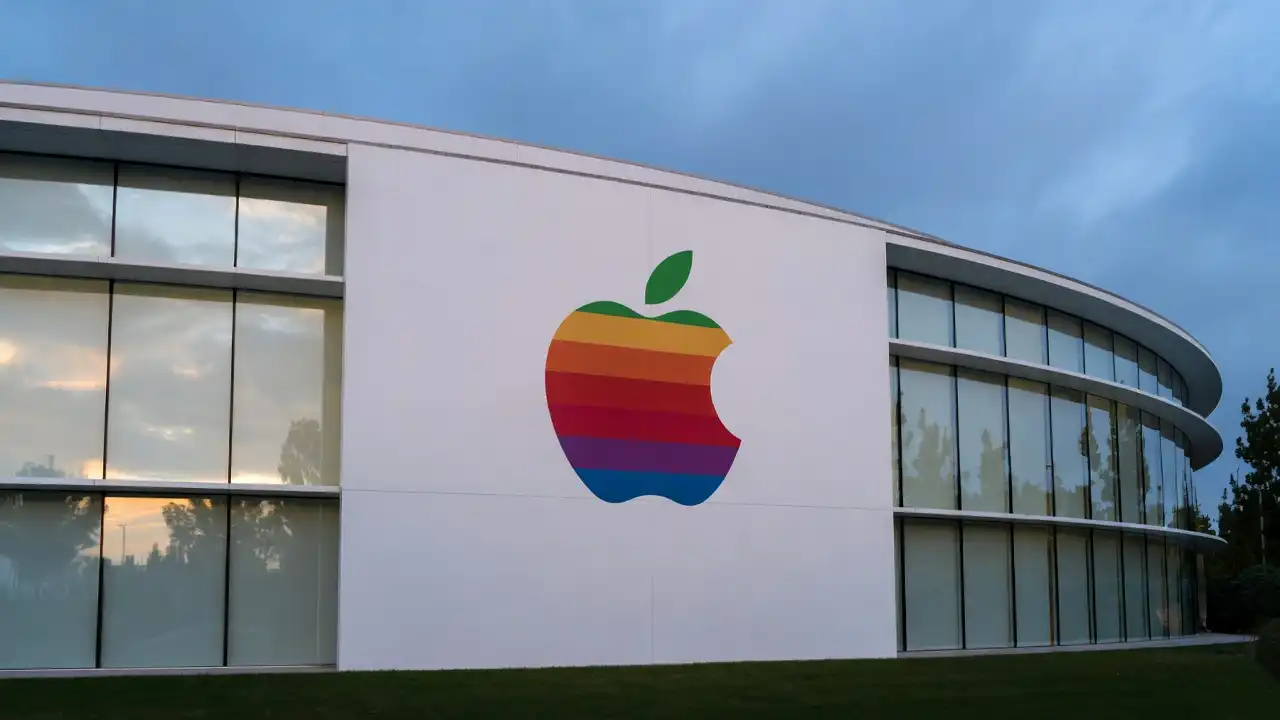
Apple is currently lobbying the Trump administration for permission to purchase memory chips from ChangXin Memory Technologies (CXMT), a major Chinese manufacturer currently restricted by the Pentagon. This high-stakes move arrives as the tech giant struggles to manage the soaring costs of memory and storage components, a burden that recently forced the company to implement significant price hikes across its Mac and iPad lineups.
The primary conflict stems from CXMT’s inclusion on the Pentagon’s “1260H” list, which identifies companies the U.S. government believes have ties to the Chinese People’s Liberation Army. While private companies are not strictly prohibited from doing business with firms on this specific list, the designation carries major reputational risks and prevents the Defense Department from entering into contracts with those suppliers. Apple is now seeking a formal assurance from the White House that partnering with CXMT will not result in future trade restrictions or the company’s addition to the more severe Commerce Department “Entity List.”
The current economic climate for hardware manufacturers remains difficult, with memory chip prices rising sharply due to overwhelming demand from AI-focused data centers. Apple recently warned that it could no longer absorb these costs internally. As a direct result, the price of the 1TB M5 MacBook Pro surged by $300, while the entry-level MacBook Neo saw a $100 increase. Furthermore, iPad Pro models have become $200 more expensive, reflecting the intense financial pressure the company faces from its traditional suppliers like Micron, Samsung, and SK Hynix.
By pursuing a partnership with CXMT, Apple aims to diversify its supply chain and gain access to more affordable memory components. Analysts suggest that securing this deal could provide a much-needed buffer against the global memory crunch. However, the proposal faces stiff resistance in Washington. Congressional leaders, including those investigating China’s geopolitical influence, have already expressed strong opposition, labeling any partnership with a military-linked Chinese firm a “grave mistake.”
The lobbying campaign, which reportedly began over a month ago, highlights the difficult balancing act facing American corporations. Companies must navigate a complex landscape where national security priorities often clash with the need to maintain competitive pricing in a globalized market. Apple has engaged with both the Commerce Department and various administration officials to secure a “green light” for the partnership, hoping to avoid the licensing requirements that would be triggered if the firm were formally blacklisted under the Entity List.
As the situation develops, the outcome of Apple’s request remains uncertain. The administration must weigh the potential for a more stable supply chain against the broader implications of weakening existing trade safeguards. For now, consumers are left to contend with higher prices, while the tech industry watches closely to see if the U.S. government will grant Apple the rare exception it is requesting.