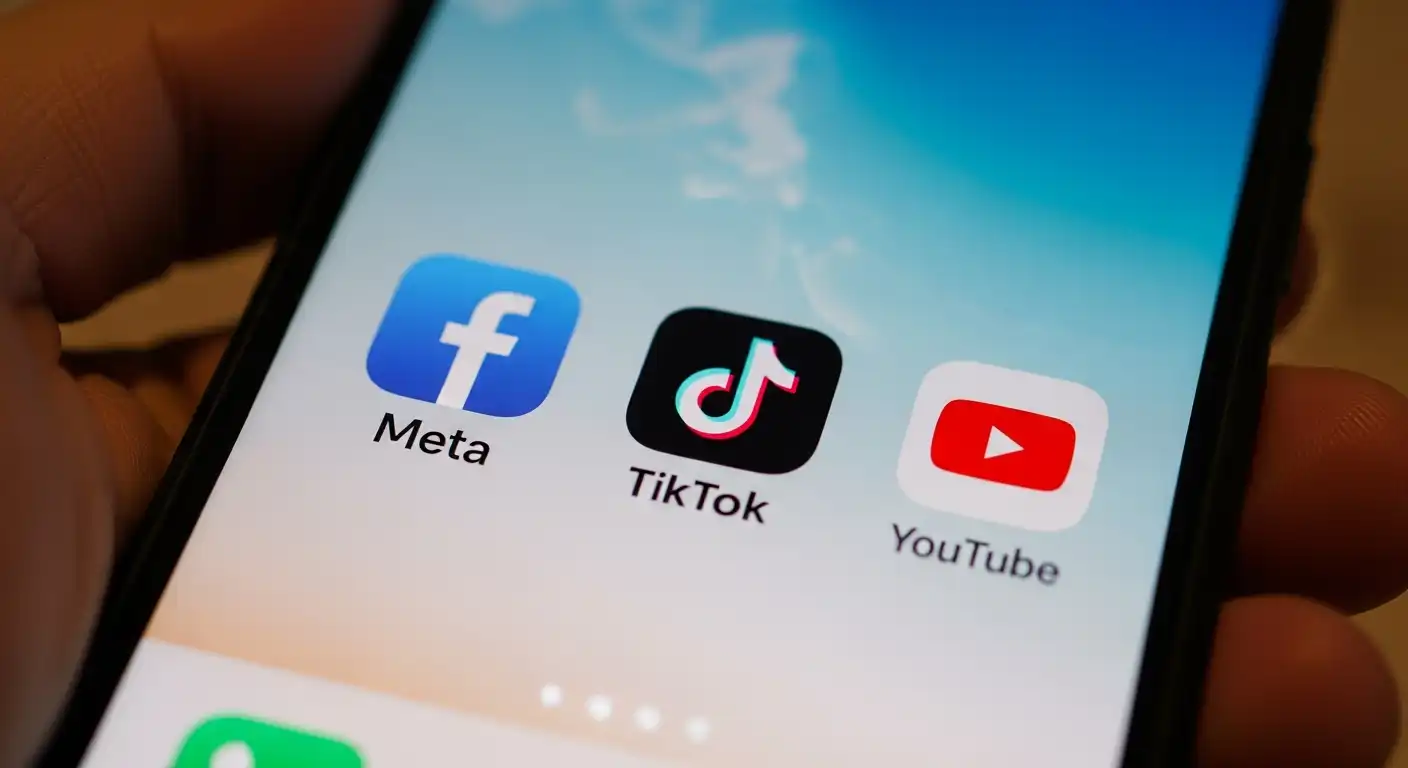
The traditional landscape of sports broadcasting is undergoing a seismic shift. While live games once dominated television screens exclusively, platforms like TikTok and YouTube are now fundamental to the modern fan experience. Recent data highlights this transition perfectly: the 2026 NBA Finals between the New York Knicks and the San Antonio Spurs generated an incredible 15 billion views on social media. This figure is not only a record-breaking milestone but also represents nearly triple the viewership volume compared to the previous year.
Broadcasters and league officials are watching these trends closely as they redefine what it means to “watch” a sport. Although live games still command massive audiences—averaging 20.6 million viewers per game on major networks like ABC and ESPN—the time spent by younger fans on short-form platforms is ballooning. Recent reports indicate that approximately 38% of sports viewers now prioritize highlights, player interviews, and behind-the-scenes clips on social media rather than sticking solely to the full live broadcast.
This change in behavior is forcing organizations like the NBA and FIFA to adjust their content strategies rapidly. During major events, leagues are now inviting hundreds of digital creators to provide exclusive, platform-specific coverage. This creator-led approach offers fans unique perspectives that television cameras often miss. By integrating social-first content into their marketing playbooks, sports organizations ensure they remain relevant to a generation that consumes information in bite-sized, highly shareable formats.
The economic impact of this shift is equally staggering. As audiences migrate toward multi-screen habits, advertisers are following suit. With the 2026 World Cup hosted in North America, experts estimate the tournament will generate roughly $14 billion in event-related spending and contribute $17.2 billion to the U.S. GDP. Brands are no longer satisfied with just buying a spot during the live match; they are investing heavily in influencer partnerships, social media challenges, and interactive digital experiences that happen long before and after the final whistle.
YouTube continues to solidify its position as a powerhouse for both long-form and short-form sports content. By leveraging its “Shorts” format, the platform has become a hub for high-intensity clips, such as buzzer-beaters and athletic highlights, which are perfect for viral sharing. Meanwhile, TikTok’s recommendation algorithm is introducing niche sports to millions of new fans who might never have tuned in to a traditional broadcast. This “TikTokification” of sports media means that a viral clip from a local tournament can now reach a global audience in a matter of hours.
Despite the rise of digital platforms, television remains far from dead. Live sports provide the “appointment viewing” experience that many fans still crave, especially for high-stakes championships. However, the definition of a successful broadcast now includes its ability to spark conversation across secondary screens. When a game trends on social media, it amplifies the reach of the event, turning a single match into a multi-platform cultural phenomenon.
Looking toward the future, the integration of technology in sports consumption will only deepen. Fans are increasingly engaging with live stats, betting markets, and digital fan communities while the game plays on the main screen. This multi-screen engagement is not a sideshow; it is the new main event. For stakeholders in the sports industry, the message is clear: if you want to capture the attention of the modern fan, you must meet them where they live—across the endless, vibrant feed of social media.