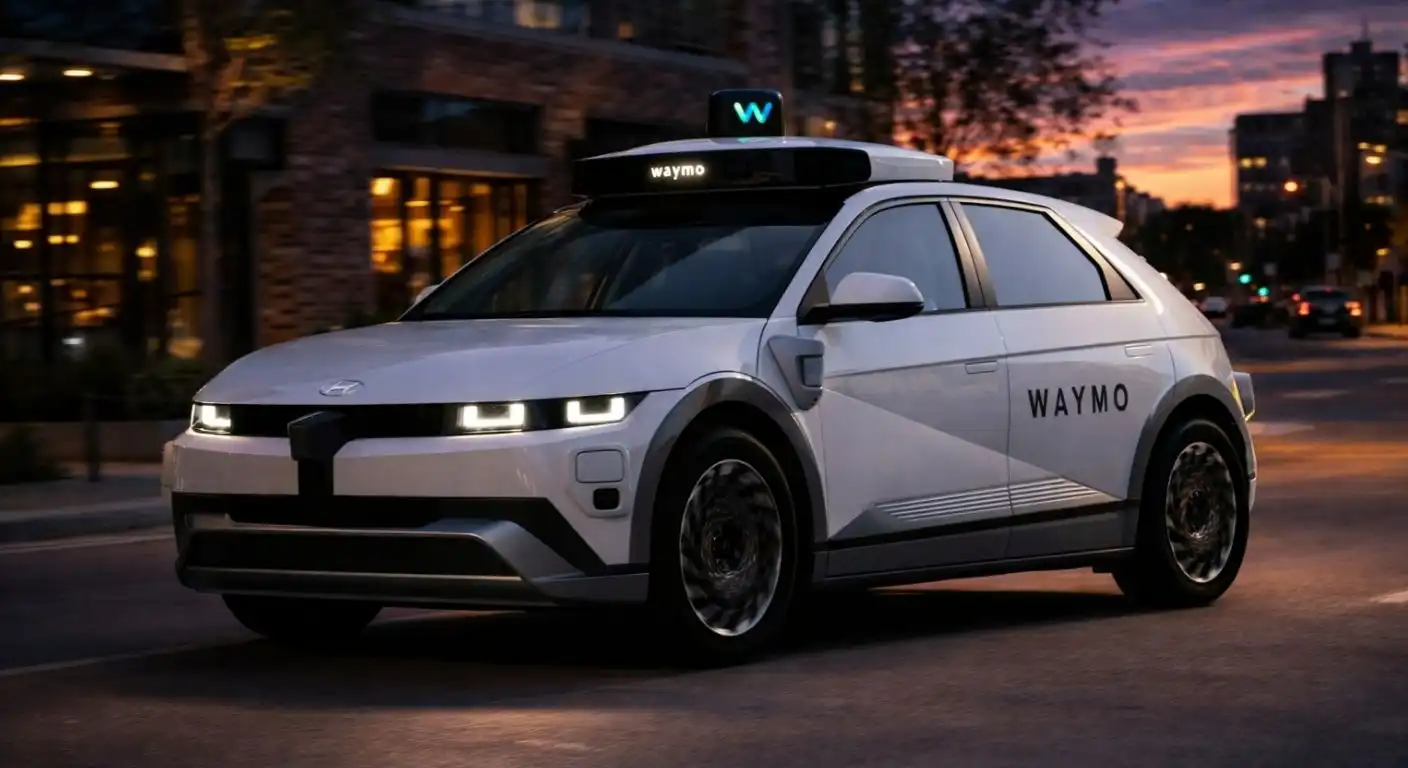
Waymo, the self-driving vehicle subsidiary owned by Alphabet, recently issued a voluntary recall for nearly 3,800 of its autonomous vehicles. The decision follows reports that several robotaxis attempted to drive onto highways or freeways that were temporarily closed to the public. These incidents raise serious questions about how autonomous systems interpret road signs, traffic cones, and changing environmental conditions in real-time.
The recall involves a specific software version that governs the company’s autonomous driving system. According to the filing submitted to the National Highway Traffic Safety Administration, the issue stems from how the cars process spatial data when approaching road closures. In instances where construction or emergency responders cordoned off a freeway, the Waymo software sometimes misidentified the clear path and proceeded onto the restricted road.
While these incidents resulted in no reported injuries, they underscore the inherent risks of deploying artificial intelligence in complex, unpredictable urban environments. Safety regulators have increased their scrutiny of autonomous fleets over the last 24 months, demanding more transparency regarding how these vehicles make split-second navigational decisions. This recall serves as a proactive measure to ensure the company maintains its safety standards across its fleet of Jaguar I-PACE SUVs.
Waymo confirmed that it has already developed and deployed a software patch to resolve the glitch. The company pushed the update to its fleet via an over-the-air installation, meaning owners did not need to visit a physical service center to fix the problem. By utilizing this digital update process, Waymo managed to address the risk across its entire affected fleet in a matter of days, highlighting the speed at which modern tech-driven automakers can respond to critical failures.
This news hits the company during a period of rapid expansion. Waymo currently operates in major metropolitan areas, including San Francisco, Phoenix, and Los Angeles, and it continues to scale its operations to reach more customers. Industry analysts estimate that Waymo’s parent company, Alphabet, has invested billions of dollars—potentially exceeding $5 billion—into its autonomous driving division since the project’s inception. Keeping the fleet on the road is vital to the company’s long-term financial goals and its ability to compete with other ride-hailing services.
Despite the technical setback, Waymo maintains a strong safety record compared to human drivers. Data from the company’s own internal reports suggests that their vehicles are involved in significantly fewer injury-causing accidents per million miles driven than human-operated cars. However, the public and regulators remain sensitive to any news involving “driverless” vehicles, as each individual incident tends to spark intense debates regarding the readiness of autonomous technology for widespread public use.
Moving forward, the company intends to refine its mapping and sensor-fusion technology to prevent similar errors in the future. The ability to recognize temporary traffic control devices, like flares and traffic barrels, remains one of the most difficult challenges for self-driving software. Waymo engineers are currently testing updated algorithms that prioritize human-led traffic signals over static navigation data to ensure the vehicles respect road closures even when GPS signals conflict with the visual scene.
The recall serves as a reminder that the autonomous driving revolution is still very much in its testing phase. While the technology promises to reduce traffic congestion and improve overall road safety, it must first navigate the chaotic reality of human infrastructure. As Waymo and its competitors continue to log millions of miles, regular software updates will likely become a standard part of the automotive experience. For now, the company remains focused on proving that its cars can handle the unexpected without compromising the safety of passengers or pedestrians.