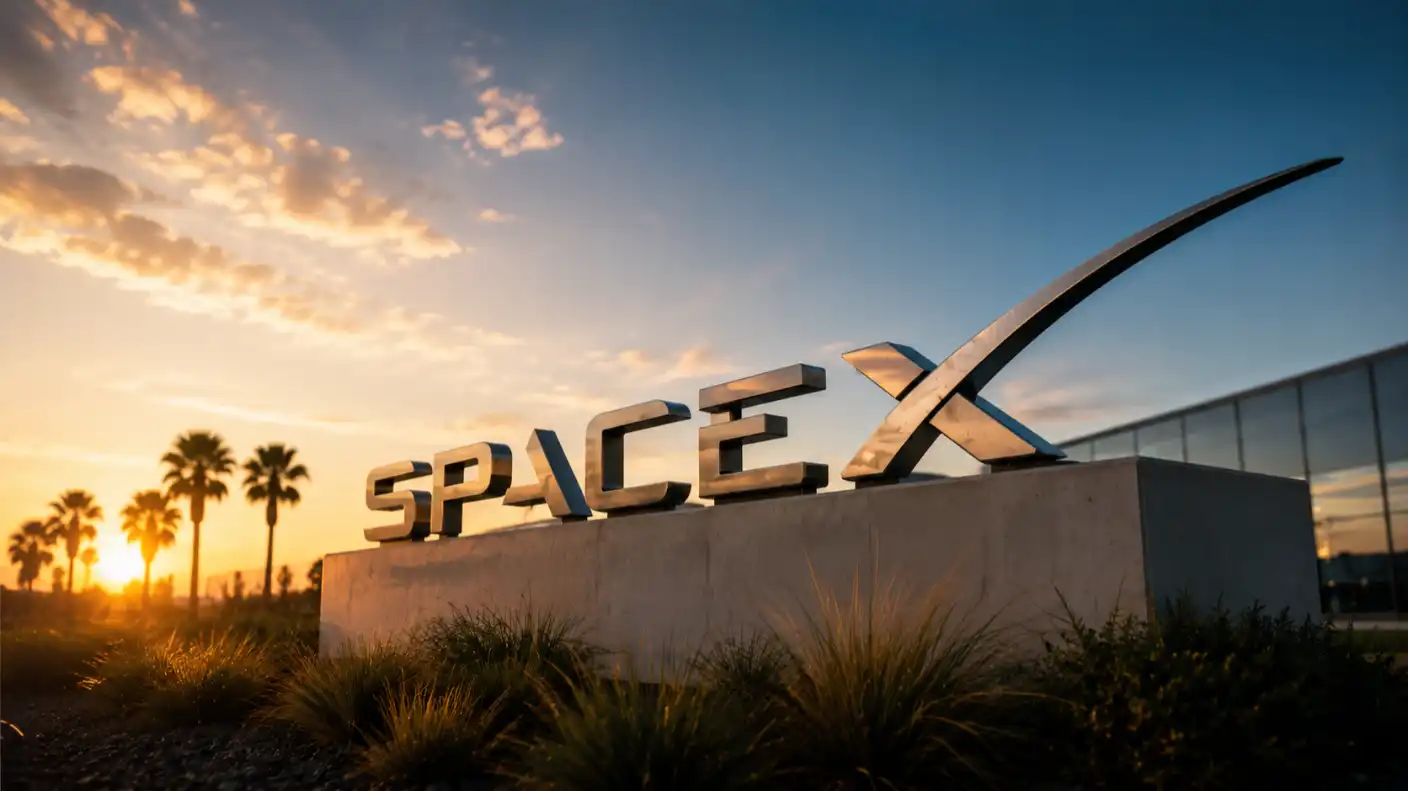
As the highly anticipated SpaceX initial public offering approaches on June 12, 2026, market tensions are reaching a boiling point. The aerospace giant, led by Elon Musk, plans to raise $75 billion in what stands to be the largest IPO in history. However, CNBC’s Jim Cramer is sounding a loud alarm, warning that the massive liquidity required to fuel this offering could trigger a “destructive” ripple effect across the broader stock market.
The central issue, according to Cramer, is not the quality of the company, but the sheer math of the capital required to fund it. With SpaceX targeting a valuation of roughly $1.77 trillion at its $135 per share debut, institutional investors are scrambling to find the cash. The problem is that many large-scale funds and wealthy individuals currently hold near-historic lows in cash reserves, leaving them with little choice but to liquidate other assets.
Cramer highlights that these investors will likely turn to their most liquid and valuable holdings to raise the necessary funds. He specifically points to technology titans like Amazon, Microsoft, and Nvidia as prime targets for sell-offs. Because these three companies account for nearly 17% of the S&P 500, a coordinated retreat from these stocks to chase the SpaceX “moonshot” could destabilize the entire market index.
The situation is further complicated by the structure of the IPO itself. Analysts note that SpaceX is set to hit the Nasdaq with a relatively small “float,” or the number of shares actually available for public trading. This scarcity, combined with immense retail and institutional hunger for a stake in Musk’s empire, has led to extreme, and some might say “nonsensical,” price forecasts. Cramer suggests that the stock could briefly surge to a $5 trillion valuation on its first day, representing an eye-popping 180% upside from its initial price.
However, historical data provides a sobering counter-narrative for retail investors. Looking back at the 10 largest U.S. IPOs since 2000, seven of these companies delivered negative returns over their first 12 months as public entities, with an average first-year return of -26.8%. While these were often great businesses, investors frequently paid too high a price, creating a “superstar premium” that became difficult to sustain once the initial hype faded.
Adding to the complexity is the current economic backdrop. A recent surge in Treasury yields has already made safe bonds more attractive, pulling cash away from equities. When this macro pressure is combined with the gargantuan capital demands of SpaceX, alongside massive upcoming stock offerings from companies like Alphabet, the market faces what Cramer calls a “supply squeeze.” He warns that the market can handle one mega-deal at a time, but a pileup of multiple record-breaking raises in the same few weeks creates an unhealthy, potentially volatile environment.
For the everyday investor, the risk is not just about whether they personally buy SpaceX shares. Because these tech giants represent the anchors of most index funds and retirement accounts, broad selling pressure can hurt a 401(k) balance regardless of whether an investor participates in the new IPO. As the market gears up for Friday, the message from market veterans is clear: proceed with caution, prioritize your long-term strategy over short-term narrative, and be prepared for a bumpy ride in the weeks ahead.