
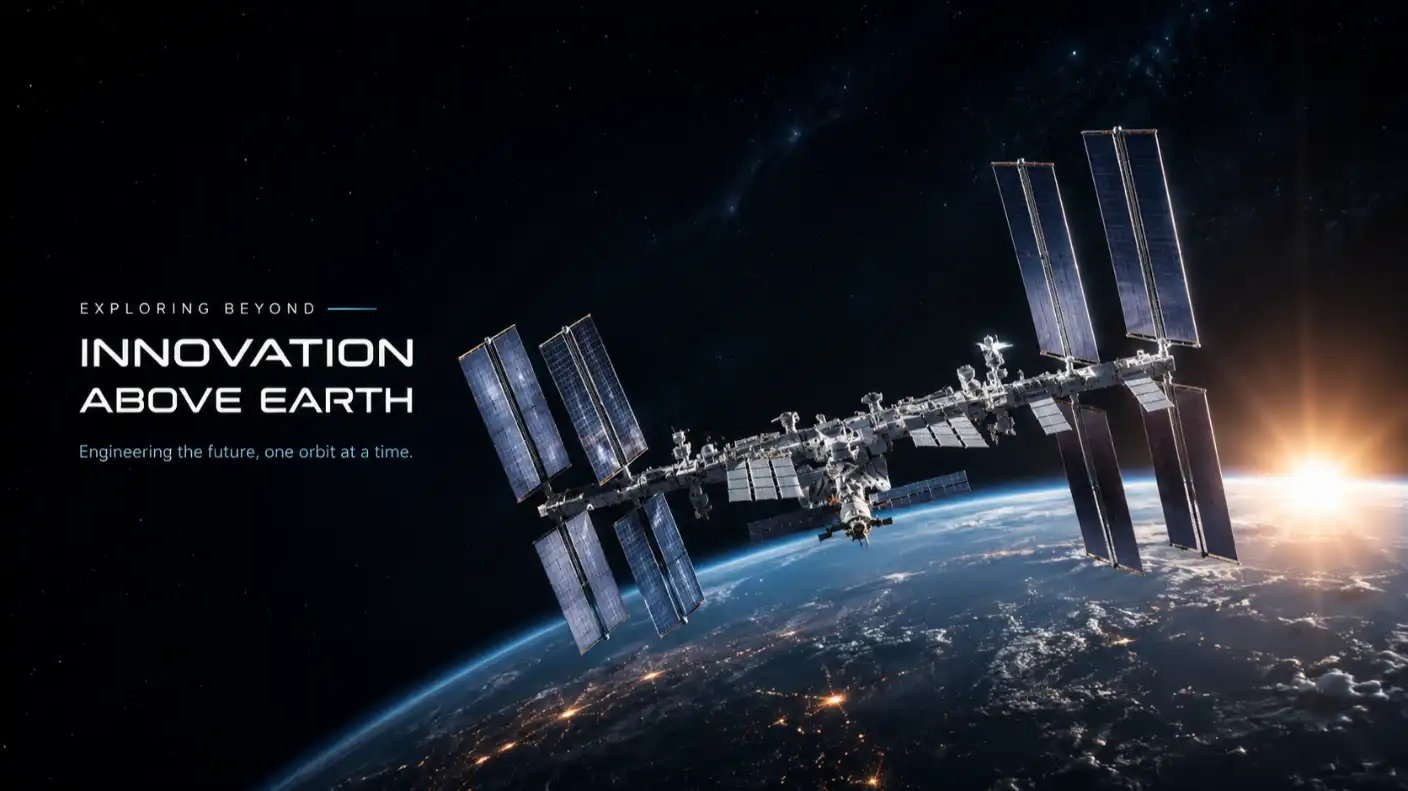
Life aboard the International Space Station (ISS) took an urgent turn on Friday, June 5, 2026, when mission control reported an air leak within the station’s orbital complex. The seven crew members currently stationed in orbit were forced to initiate emergency protocols, retreating to their respective spacecraft as a safety precaution while ground teams investigated the source of the pressure drop. NASA and international partners confirmed that the situation remained under control throughout the duration of the event.
The incident began when sensors detected a subtle but steady decline in atmospheric pressure within the station. In accordance with established emergency procedures, the astronauts moved into their designated lifeboat vessels—specifically the Boeing Starliner and the SpaceX Crew Dragon currently docked at the station. This maneuver ensures that if the atmospheric integrity of the main modules cannot be restored, the crew has an immediate, pressurized escape route to return to Earth.
Ground controllers at both the Johnson Space Center in Houston and the Mission Control Center in Moscow worked in tandem to pinpoint the breach. Engineers spent several hours monitoring sensor data to isolate the leak, which was eventually traced to a specific section of the Russian Zvezda service module. This module has seen similar minor issues in the past, given that its primary structure has been in operation for more than 25 years.
By the early hours of Saturday morning, flight directors confirmed that the leak was isolated and stabilized. The crew members remained inside their docked spacecraft for approximately four hours as a precautionary measure while the air pressure levels were closely monitored. Once mission control verified that the station’s internal environment was stable, they gave the “all clear,” and the astronauts resumed their normal duties and research activities.
This event serves as a stark reminder of the challenges involved in maintaining a massive, aging laboratory orbiting more than 250 miles above the planet. The ISS, a project involving over 15 nations, relies on complex life-support systems to keep humans alive in the vacuum of space. While the station was originally designed for a 15-year lifespan, clever engineering and regular maintenance have allowed it to continue operating well past its expected retirement date.
NASA officials stated that there was never any immediate danger to the crew during the incident. The safety of the seven individuals on board remains the top priority, and the “shelter in place” drill functioned exactly as it was designed to. These drills are practiced regularly by the crew, ensuring that they can move swiftly to safety if a decompression event or toxic leak ever occurs.
The International Space Station continues to serve as the premier site for scientific research, from human biology studies to advanced materials testing. Despite the minor scare, the station remains fully operational. Engineers will continue to inspect the Zvezda module over the next several days to determine if a permanent repair is necessary or if the current containment measures are sufficient for the remainder of the station’s operational life.
As space agencies look toward the future of commercial space stations, the lessons learned from these incidents remain invaluable. With the scheduled retirement of the ISS approaching near the end of the decade, the focus remains on ensuring a safe transition for the humans living and working in low Earth orbit. For now, the seven astronauts aboard continue their work, proving once again that space exploration requires constant vigilance and a calm response to the unexpected.