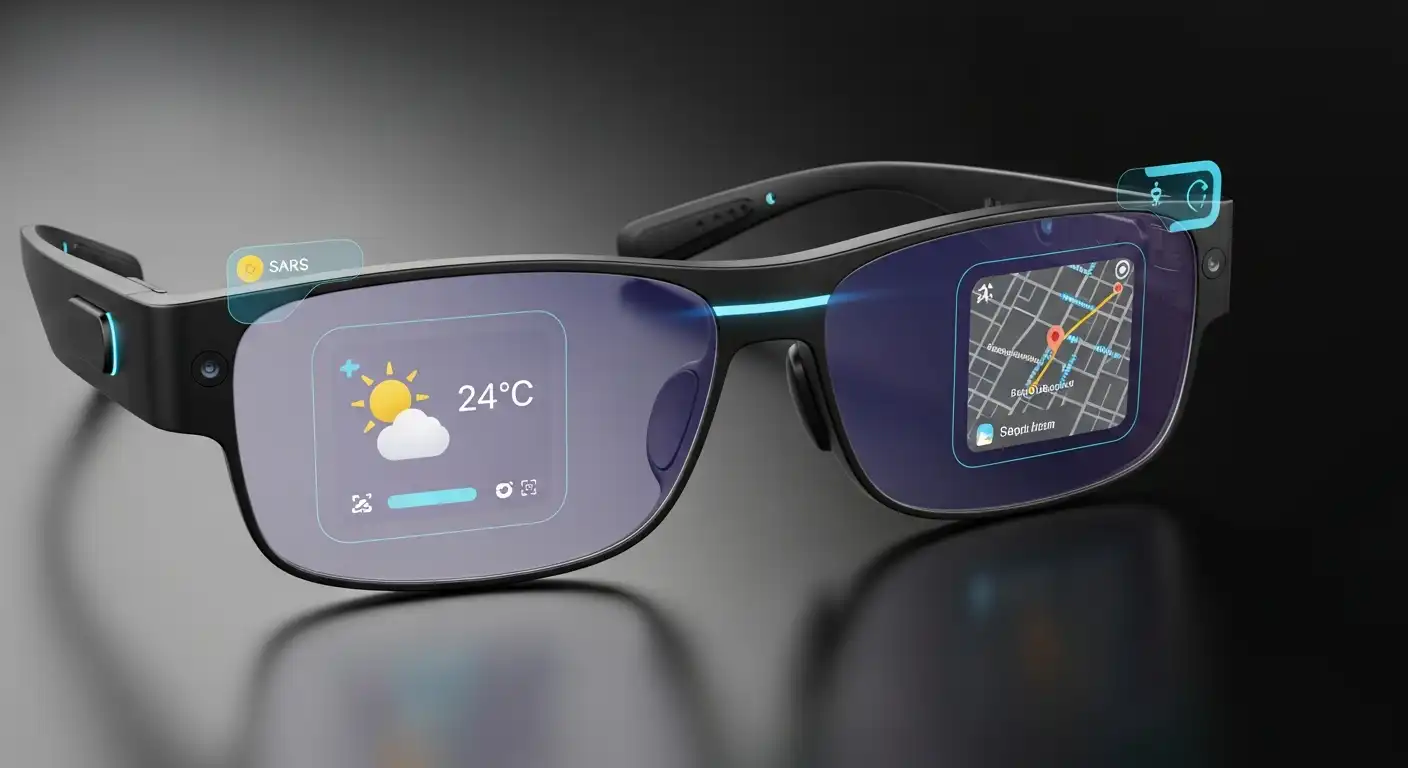
For years, technology enthusiasts have waited for Apple to release a dedicated pair of smart glasses that bridge the gap between a standard frame and a full-featured computer. While recent rumors pointed toward an aggressive release schedule, the latest reports suggest that Apple is taking a more cautious approach. Industry insiders now expect these highly anticipated smart glasses will not debut until the end of 2027. This delay represents a strategic move by Apple, which is currently working to solve the complex hurdles of miniaturization, battery life, and high-performance optics that have stalled similar projects at rival firms.
Developing a pair of smart glasses is widely considered one of the hardest challenges in the consumer electronics sector. Unlike a headset or a tablet, glasses must be lightweight, stylish, and comfortable enough to wear for hours at a time. Apple has reportedly spent well over $1 billion on research and development for this project, experimenting with different materials and display technologies. The company wants to ensure that its entry into the wearable market does not suffer the same fate as other clunky, privacy-invasive headsets of the past.
The primary challenge for Apple’s engineering team is fitting an advanced processor, long-lasting battery, and high-resolution projection system into a chassis that weighs less than 50 grams. Standard components simply aren’t small enough yet to make this vision a reality without sacrificing the “everyday” look of the eyewear. By pushing the release date into late 2027, Apple is betting that breakthroughs in semiconductor efficiency—specifically, the shift to 1.4-nanometer or smaller chip nodes—will finally provide the performance per watt needed to power a full day of use on a single, tiny battery.
Apple Intelligence will likely be the star feature of these glasses, moving the artificial intelligence experience from the screen of an iPhone to the real-world view of the user. Imagine walking through a busy city and having live translation, navigation, and object identification appear in your field of vision without the need to look down at your phone. To make this happen, the glasses must process massive amounts of visual data in real-time. This requires a dedicated onboard AI processor that is both powerful and cool to the touch—a feat of engineering that many industry experts currently view as the “holy grail” of spatial computing.
This delay also gives Apple more time to refine its partnership strategies with lens and frame manufacturers. Successfully mass-producing millions of smart glasses requires a supply chain that can handle extreme precision. Even a 1.5% error rate in the display alignment could cause significant motion sickness for the wearer, effectively ruining the user experience. By slowing down the launch timeline, Apple ensures it has the luxury of testing these manufacturing protocols with high-end partners, protecting the company’s reputation for premium quality.
Another reason for the 2027 timeline involves the integration of privacy-focused hardware. Unlike other companies, Apple has built its entire brand around the idea that “privacy is a fundamental human right.” Designing glasses that can take photos or record video without making others feel uncomfortable requires careful physical design and software safeguards. The company is reportedly working on hardware-level indicators that clearly signal when a camera is active, which is a key requirement for successfully navigating the regulatory landscape in Europe and the United States.
Market analysts believe this extra wait is actually a smart move. The market for smart eyewear is still finding its legs, and launching a product that is not yet “perfect” could alienate the Apple customer base. When Apple finally enters a new category—as it did with the Apple Watch or the Vision Pro—it wants to define that category rather than just participate in it. Waiting until 2027 allows the software ecosystem, including the integration with existing iPhones and Macs, to mature to a point where the glasses feel like a necessary companion rather than an expensive toy.
Looking at the competitive landscape, Meta is already pushing its own smart glasses, which have found success as a niche accessory. However, Apple is clearly aiming for something far broader. While Meta’s glasses serve as a “companion” device, Apple wants its eyewear to serve as the primary interface for its spatial computing platform. This is a much heavier lift, requiring a tighter integration between hardware, software, and real-world utility that we simply haven’t seen from anyone else in the industry yet.
The financial impact of such a launch will be massive once it finally happens. If Apple manages to ship even 5 percent of its global iPhone user base into a pair of smart glasses, it would instantly create a massive new hardware category. This move would provide Apple with new ways to capture data about how users interact with their physical environment, creating a feedback loop that will train the company’s future AI models for years to come.
Investors shouldn’t be discouraged by the wait. History has shown that Apple’s patience often results in better products. By holding off until 2027, the company can avoid the pitfalls of early-gen hardware and deliver a polished experience that feels like it belongs in the future. The “late” arrival will likely be forgotten the moment the glasses are actually available on store shelves, proving once again that for Apple, perfection often beats speed.