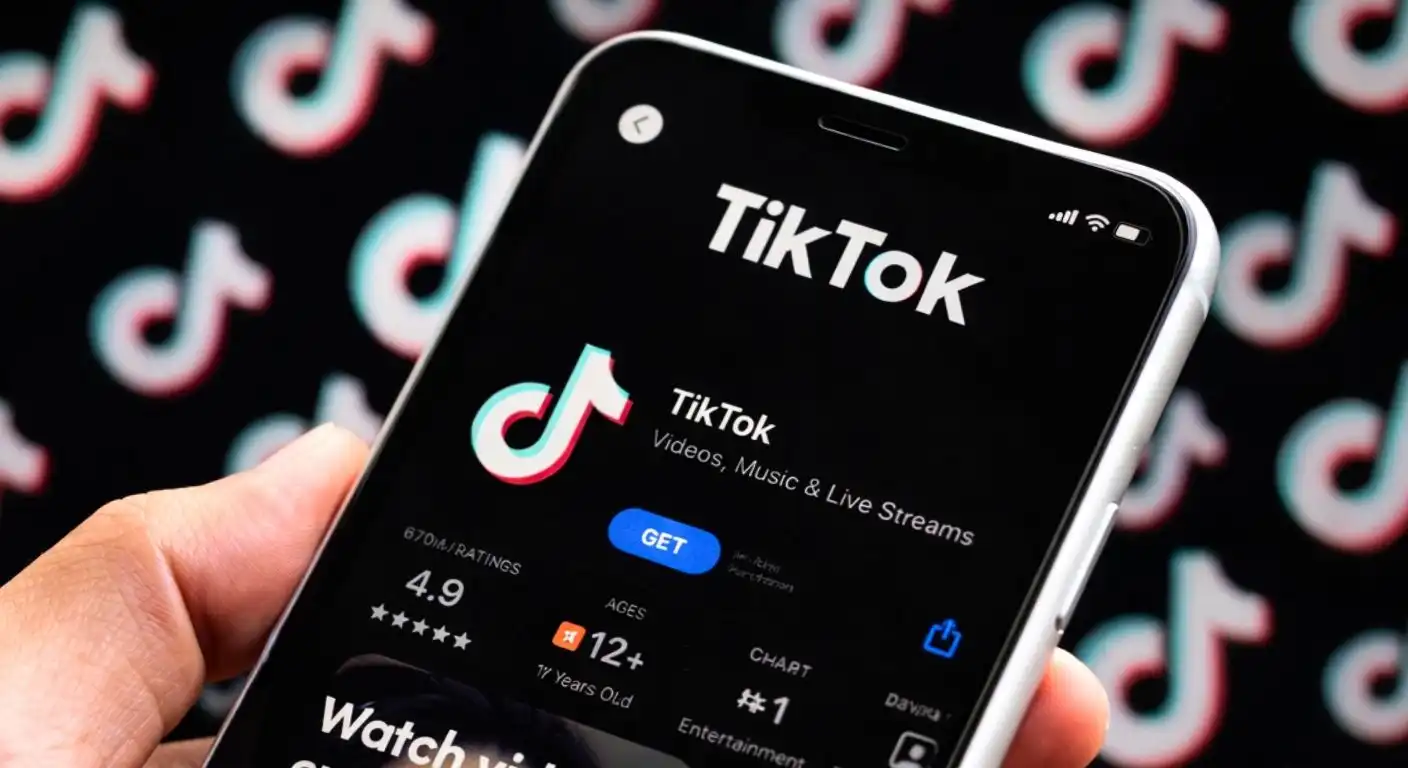
TikTok is no longer just a place to watch short-form videos. The social media giant has officially embarked on an ambitious journey to become a “super app,” a massive digital ecosystem that aims to handle everything from e-commerce and grocery delivery to ride-hailing and financial payments. By integrating these daily services directly into its interface, ByteDance hopes to keep its massive user base inside the app for hours at a time, effectively competing with established local giants in markets like China and Southeast Asia.
The shift toward a super app model represents a major departure from the company’s roots as a creative playground for viral content. While influencers and music trends built the platform, the future of the company lies in utility. ByteDance recently piloted a series of integrated services that allow users to book local restaurant reservations, purchase train tickets, and even manage micro-loans without ever closing the app. This strategy turns the platform into a centralized digital utility that accompanies the user throughout their entire day.
Market analysts suggest this pivot is essential for long-term growth. As the digital advertising market becomes increasingly crowded, platforms must find ways to diversify their revenue streams. By controlling the “transactional layer” of the internet, TikTok can take a small commission from every service booked through its portal. If the company successfully converts just 1.5% of its monthly active users into daily shoppers or commuters, it could unlock a new revenue stream worth well over $1 billion annually.
The platform is using its massive algorithmic advantage to power this transition. Unlike traditional apps that require users to navigate complex menus, TikTok’s recommendation engine will now suggest services based on location, time of day, and spending habits. If you watch a video about a popular new cafe in your neighborhood, the app might offer a button to book a ride or reserve a table instantly. This seamless blending of content and commerce is what separates a standard app from a super app.
This evolution is not happening without significant challenges. Building a super app requires deep partnerships with local businesses, payment processors, and transit authorities. Each of these sectors operates with different regulatory requirements, meaning the company has to navigate a legal minefield to ensure its payments and data-sharing comply with local laws. Furthermore, managing this level of complexity demands an immense amount of engineering talent and a robust server infrastructure to handle millions of simultaneous transactions.
Critics argue that the “super app” model might hurt the user experience. By packing too many features into one interface, companies often turn a clean, simple app into a bloated, confusing mess. TikTok has built its success on the simplicity of its vertical video feed. If the app becomes cluttered with buttons for food delivery, ride-hailing, and banking, the company risks alienating the core audience that just wants to watch videos. Finding the right balance between utility and simplicity will be the single biggest factor in whether this strategy succeeds or fails.
The competition is already taking notice. Other social platforms are currently exploring their own versions of this strategy, but none possess the same viral reach that TikTok commands. The company leverages its ability to create “cultural moments” to drive traffic toward its new transactional features. When a product goes viral on the app, the ability to buy it immediately within that same window creates a massive conversion advantage that traditional e-commerce sites cannot match.
International expansion remains the biggest hurdle for this project. While the super app concept has flourished in Asia, Western users are often more skeptical of giving a single company control over their shopping, transportation, and finances. Building trust with a global audience that values data privacy will take time and radical transparency. The company will likely need to spend hundreds of millions on security upgrades and local partnerships to convince users that their financial data is as safe as their social media interactions.
ByteDance is also leaning heavily into artificial intelligence to power the super app vision. The company is currently testing AI agents that can act as personal shoppers, negotiating prices for users or finding the best deals on travel packages automatically. These agents run on the company’s proprietary silicon and massive data centers, providing a speed advantage that legacy platforms lack. By automating the “shopping” part of the super app, TikTok makes the experience feel less like a chore and more like a personalized assistant.
As we head into the later half of 2026, keep an eye on how these new features roll out in different regions. The company is starting with pilot tests in select markets to measure engagement before a full global launch. If these early tests prove that users are willing to pay for groceries or book rides through the app, we will see a rapid expansion of the program. TikTok is clearly gambling that the future of social media isn’t just about sharing videos—it’s about becoming the primary gatekeeper for everything you do online.