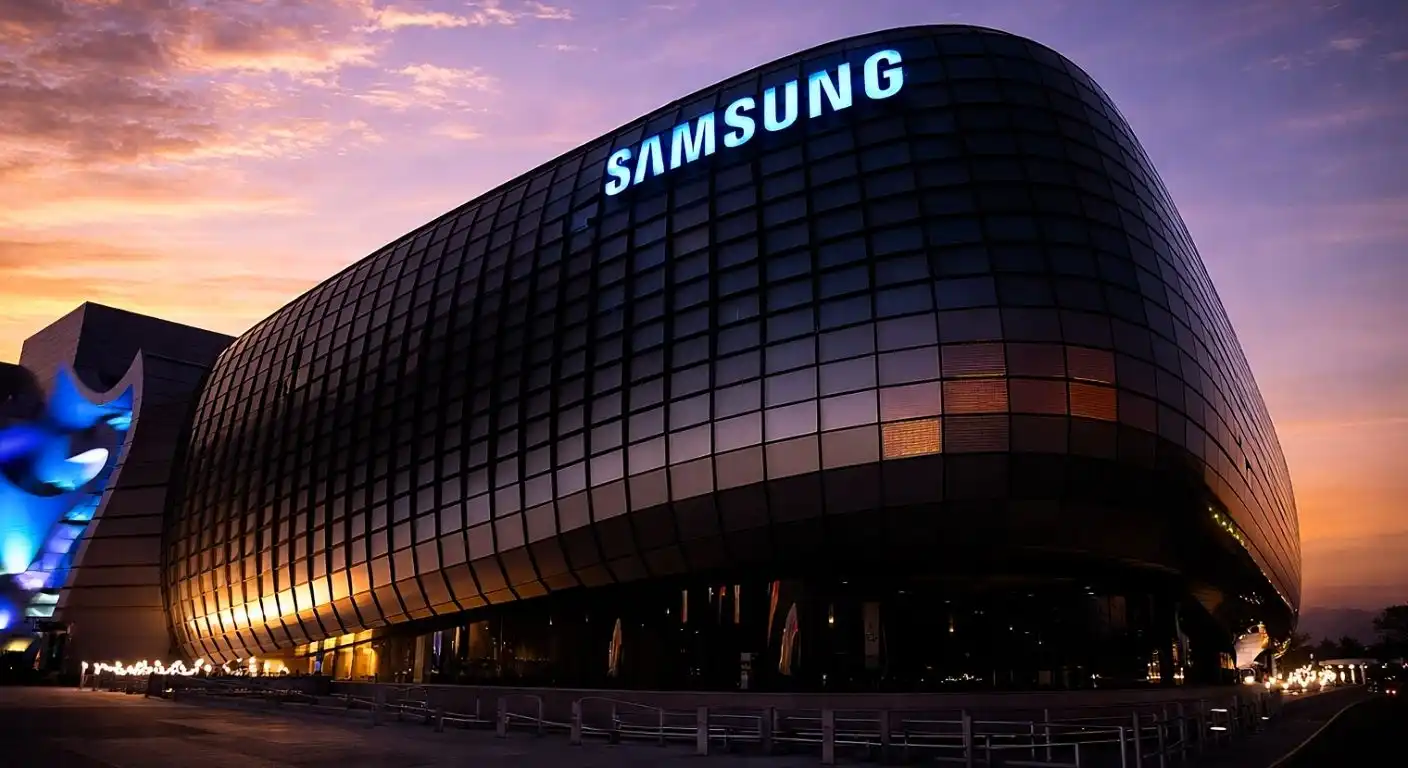
Samsung Electronics faces a massive labor crisis that could disrupt the global artificial intelligence supply chain. The company’s ongoing wage and bonus dispute, which began within its main memory divisions, has now spread to its critical chip packaging units. With over 48,000 employees threatening a walkout, major customers who rely on Samsung for high-bandwidth memory (HBM) are growing increasingly concerned about delivery schedules. If the standoff continues, it could jeopardize the production of the very chips that power today’s most advanced AI data centers.
The dispute centers on performance-based bonuses, which workers argue have not kept pace with the company’s recent financial success. Samsung reported a massive surge in profits this spring, largely fueled by the global demand for AI hardware. However, union leaders claim that management refused to share this wealth fairly. Workers are now pushing for 15 percent of annual operating profits to be allocated to the bonus pool, a demand the company calls “unacceptable.”
Because Samsung serves as a primary supplier for AI-focused memory chips, any production delay carries a heavy price tag. Industry analysts estimate that a prolonged strike could result in operational losses exceeding $20 billion if factory lines remain idle for more than a few weeks. The situation is particularly dangerous for the “Advanced Packaging” division, where specialized teams assemble the complex, high-bandwidth memory modules that Nvidia and other AI leaders require. Disruptions in this specific area can cause a ripple effect, slowing down the shipment of completed AI servers by months.
For years, Samsung operated with a strict, top-down management style that discouraged collective bargaining. The recent rise of a powerful, organized labor union represents a fundamental shift in the company’s corporate culture. Employees are no longer willing to accept flat bonuses when they see competitors like SK Hynix offering profit-linked payouts that are significantly higher. This competitive pressure from within the South Korean tech sector has emboldened workers, who now view collective action as their only leverage to secure a larger share of the company’s $1 billion-plus monthly profits.
The economic stakes extend far beyond the walls of the factory. Samsung Electronics accounts for nearly 23 percent of South Korea’s total exports. When the company slows down, the entire national economy feels the pinch. Government officials have already stepped in to mediate, warning that a strike must be avoided at all costs to protect exports and financial market stability. However, the union leadership remains firm, arguing that the company’s refusal to negotiate in good faith leaves them no other choice but to halt work.
Maintaining a factory that produces advanced semiconductor chips is not as simple as flipping a light switch. These facilities run 24 hours a day with hundreds of complex, high-precision tools. If workers leave their posts for an extended period, the machinery requires extensive re-calibration and safety checks before it can return to full capacity. This means that even a short, 18-day strike could lead to more than a month of reduced output. This recovery timeline is exactly what worries global tech buyers who are already struggling with thin inventory levels.
Customers are already reacting to the uncertainty. Some of the world’s largest data center operators are reportedly reviewing their supply agreements. If they cannot guarantee that Samsung will deliver their memory chips on time, these companies may begin to divert orders to rival firms. While switching suppliers for highly specialized AI memory is difficult, companies are willing to pay a premium to avoid the risk of a factory shutdown. This creates a lose-lose scenario for both Samsung management and its workforce.
The union has already demonstrated its ability to impact production. During a protest rally held on April 23, memory production at Samsung fell by more than 18 percent in a single day, while foundry lines saw output drop by nearly 60 percent. These figures served as a loud warning to management about the potential for future disruption. If the current labor dispute continues through the summer, these dips could become the new normal, further tightening the global supply of AI-ready hardware.
Moving forward, the resolution of this conflict depends on whether management is willing to embrace a new model of corporate profit-sharing. The union wants a formalized, multi-year bonus structure that removes the current 50 percent salary cap. They believe this is the only way to ensure that the people who build the chips—which are currently driving record revenue for the company—receive their fair share. Whether Samsung decides to sacrifice short-term margins to save its long-term delivery schedule will determine the future of its AI market leadership.
For now, the global tech market remains in a state of high alert. Investors are watching for any sign that the negotiations will succeed or that the strike will officially begin. As artificial intelligence continues to expand, the demand for memory chips will only increase. Samsung stands at a crossroads, where the decision made in a boardroom in Seoul will influence the availability of AI hardware in data centers from Virginia to Tokyo.