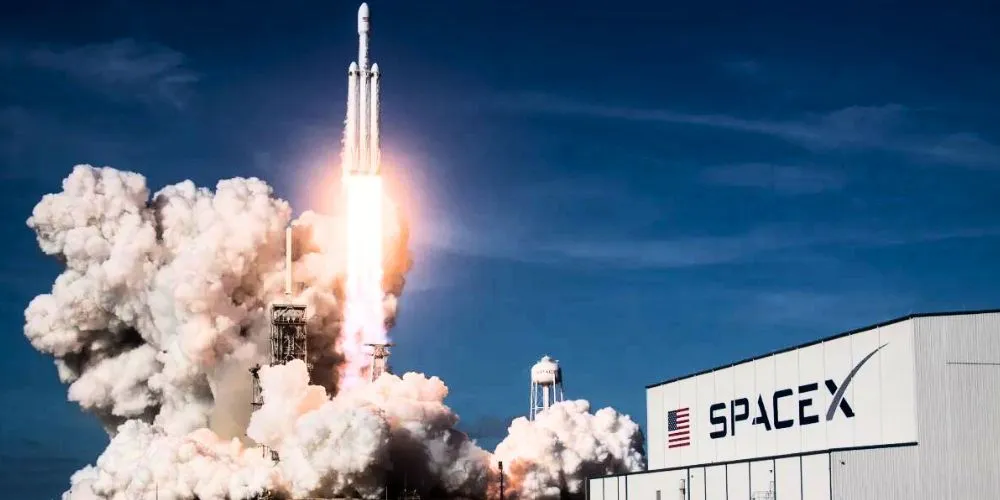
SpaceX marked a significant milestone in its Starship development program with the successful completion of its tenth test flight. This launch, delayed several times due to weather and technical issues, represented a significant step forward, achieving key objectives that had previously eluded attempts. Most notably, this flight successfully deployed a payload of dummy satellites for the first time. This accomplishment follows a series of setbacks, including explosions during both ascent and ground preparations.
The 10th test flight incorporated significant changes to both the Ship upper stage and the Super Heavy booster, leveraging lessons learned from past failures. The Super Heavy booster undertook a series of experimental maneuvers, including engine configuration changes and a controlled flip during its descent. However, instead of attempting a complex catch with the launch tower’s arms, as seen in other tests, SpaceX opted for a controlled splashdown in the Indian Ocean, resulting in the booster’s destruction upon impact.
Meanwhile, the Ship upper stage continued its ascent, successfully deploying eight dummy Starlink satellites approximately 20 minutes after launch. Further experimentation included a mid-flight engine re-ignition before initiating its own controlled descent and splashdown in the Indian Ocean, over an hour after launch. Both stages were ultimately destroyed upon impact, underscoring the experimental nature of this test flight.
SpaceX engineer Dan Huot expressed the team’s satisfaction with the outcome during the livestream, highlighting the significance of this achievement after a period of challenges. While celebrating this success, SpaceX acknowledges the considerable work that remains, particularly concerning the retrieval of the Ship’s upper stage for full reusability —a critical goal for the future viability of the Starship program.