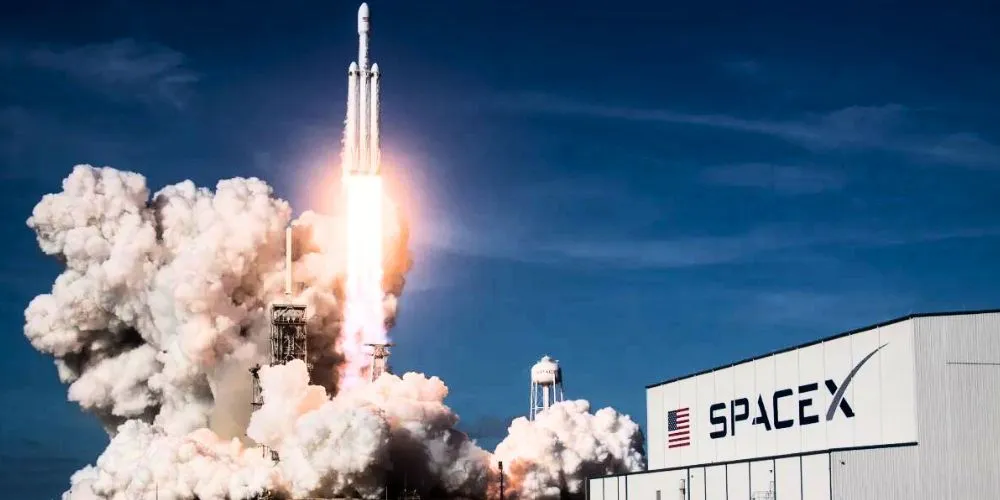
SpaceX has offered NASA a “simplified mission” plan to accelerate the return of astronauts to the moon. This comes after Sean Duffy, NASA’s acting administrator, criticized the company for delays in developing its lunar landing system.
In a blog post released Thursday, Elon Musk’s company stated, “We’ve shared and are formally assessing a simplified mission architecture and concept of operations that we believe will result in a faster return to the Moon while simultaneously improving crew safety.”
Earlier this month, Duffy told Squawk Box that SpaceX was behind schedule on its lunar landing system for NASA’s Artemis III mission. He even suggested the agency might reopen the landing contract to competitors, such as Jeff Bezos’ Blue Origin.
A NASA spokesperson confirmed the agency “has received and is evaluating plans from both SpaceX and Blue Origin for acceleration of HLS production.” NASA plans to issue a Request for Information (RFI) to the broader aerospace industry to solicit additional proposals after the shutdown. A committee will evaluate these proposals to determine the best way forward in the “second space race,” especially given global competition. NASA had given SpaceX and Blue Origin until October 29th to propose new ways to speed up their projects.
Musk did not take Duffy’s comments lightly, posting on X, “Sean Dummy is trying to kill NASA!” and later adding, “The person responsible for America’s space program can’t have a 2-digit IQ.” SpaceX’s large Starship rocket has completed 11 uncrewed test flights. While the last two were successful, the company still needs to demonstrate its crucial in-orbit refueling capabilities before the human-crewed Artemis III lunar mission.
Meanwhile, Blue Origin has also been working on a lunar lander for NASA, receiving about $835 million from the agency since 2023. They plan to launch a smaller version of their lander, called Blue Moon Mark 1, soon. China is also pushing ahead, aiming to land its astronauts on the moon by the end of the decade. Duffy expressed frustration in September during an all-hands meeting, noting “shade thrown” at a Senate hearing where some doubted the U.S. could beat China to the moon. China recently announced a new crew for its Tiangong space station, which it built after being excluded from the International Space Station due to U.S. national security concerns.
NASA pays SpaceX as it reaches different milestones for its Human Landing System (HLS) contract. According to USA Spending, NASA has already paid SpaceX about $2.7 billion for the HLS’s design, development, and testing. Another $300 million is owed for milestones achieved, and SpaceX could earn a total of $4.5 billion if it completes all milestones.
SpaceX, in its blog post, claimed it “self-funded” 90% or more of the program, suggesting it has spent over $30 billion. During the federal government shutdown, some NASA employees supporting Artemis missions have had to work without pay.