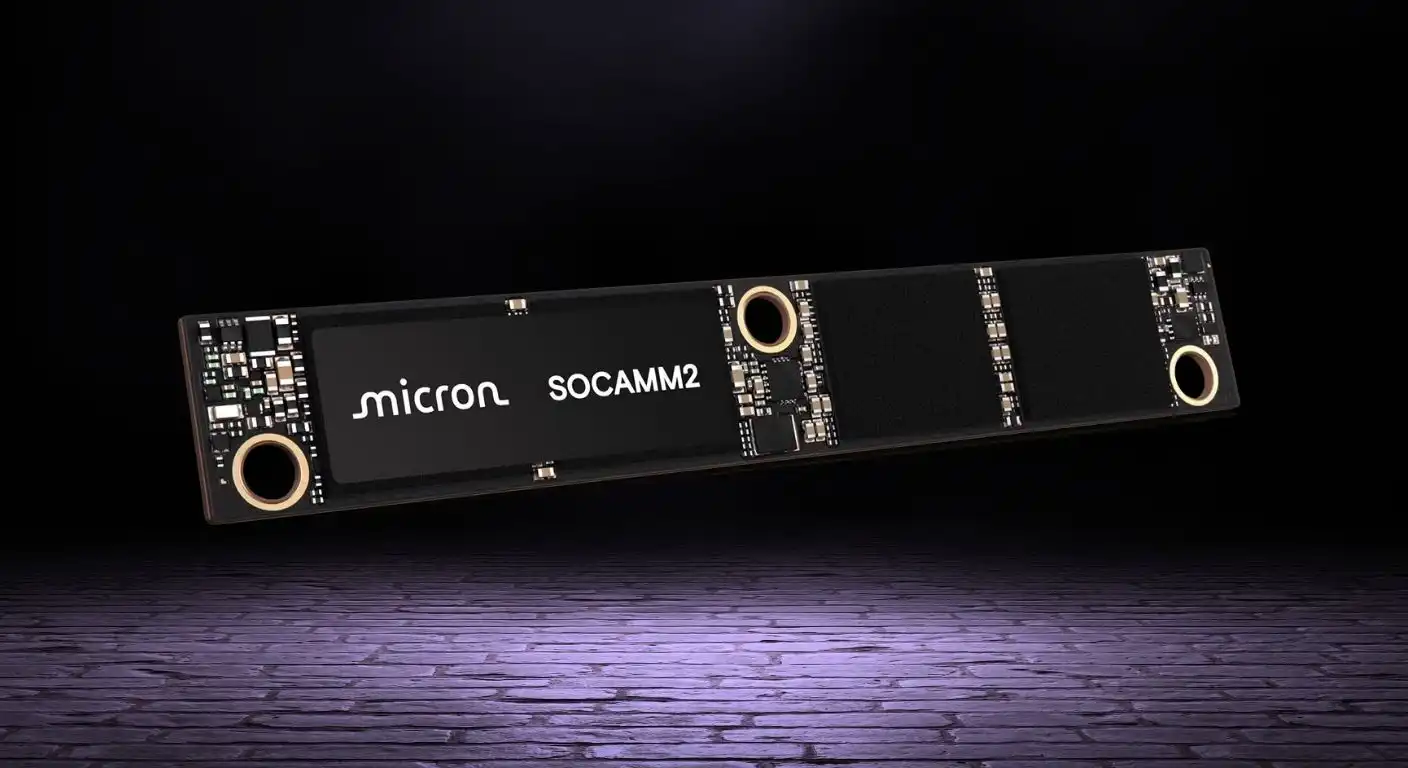
Samsung Electronics is making a definitive move to reclaim the top spot in the memory market. The company recently began shipping “customer samples” of its new SOCAMM2 modules to a major partner. While Samsung kept the client’s name quiet, industry insiders point to Nvidia. They believe these chips will power Nvidia’s upcoming Vera Rubin AI platform.
This delivery marks a critical phase in chip development. Before a factory starts mass production, chips go through three main steps: the working die, the engineering sample, and finally, the customer sample. This last stage represents a near-final product that the client tests in their actual systems. If Nvidia signs off on these samples, Samsung can flip the switch for mass manufacturing.
The SOCAMM2 module addresses a major challenge for data centers: energy consumption. It uses Low-Power DDR (LPDDR) chips—technology typically optimized for mobile devices—packaged in a way that servers can use. According to market analysts, this setup cuts power consumption by about 77 percent compared to standard DDR5 memory while boosting data speed.
This technology plays a different role than High-Bandwidth Memory (HBM), which is often discussed in AI news. HBM sits on the graphics card to speed up calculations. SOCAMM2 sits next to the main processor (CPU) to manage the massive data flow more efficiently. Unlike older low-power options that factories soldered directly to the board, technicians can easily swap or upgrade SOCAMM2 modules. This flexibility allows data center operators to fix or improve systems without replacing expensive motherboards.
Rivals like SK Hynix and Micron are also chasing Nvidia’s orders. Micron has already released its version to the market, and SK Hynix is currently validating its own samples. However, reports suggest Samsung holds the lead. The company reportedly secured the largest share of the supply deal because of its massive production capacity and close technical collaboration with Nvidia.
As AI workloads grow, the bottleneck isn’t just computing speed anymore; it is about moving data without wasting energy. Samsung’s aggressive push into this market signals that power efficiency is now just as important as raw performance.