For most of the digital age, we treated data like a static library. Companies collected information during the day, stored it in massive databases, and ran reports overnight. When the CEO arrived the next morning, they looked at a spreadsheet that described the business as it existed yesterday. That world feels incredibly slow today. We live in an economy that moves at the speed of light. If a bank waits until tomorrow to catch a fraud attempt, the criminal already vanishes with the money. If a ride-sharing app waits ten minutes to match a driver, the passenger walks away. We now rely on real-time data streaming architectures to make decisions in the exact millisecond that events happen. This shift changes everything about how global markets operate.
The Death of the Batch Process
We grew up with “batch processing.” This old method gathered all the data into a big, heavy pile and processed it once a day. It felt easy for the computers, but it created a massive, permanent delay in our understanding of the world. Real-time streaming destroys the batch. Instead of a pile, data now flows like a river. Every single click, every sensor reading, and every transaction enters the system as a continuous, endless stream. The software listens to this river and acts the moment the water flows past. We stop waiting for the report; we start living in the results.
Predicting the Future While It Happens
A static database tells you what already occurred. A real-time stream tells you what is happening right now and hints at what will happen next. Modern companies use these streams to run “predictive analytics” on the fly. Imagine a global retail brand that tracks inventory across thousands of stores. The streaming architecture detects a sudden spike in sales for a specific jacket during an unexpected cold snap. Before the store shelves go empty, the system automatically triggers a reorder from the factory and reroutes a delivery truck. We move from reactive management to proactive survival. The data predicts the future by constantly analyzing the present.
Making the Cloud Look Like Local Hardware
Latency represents the silent enemy of the modern digital world. If your data has to travel across the entire planet to reach a central server, you lose precious seconds. Real-time streaming architectures solve this through distributed processing. They process the stream at the “edge” of the network, right where the data originates. Whether the source is a connected factory in one region or a mobile banking user in another, the streaming engine performs the heavy lifting locally. This approach ensures that the decision-making process feels instantaneous, even when the underlying network spans across multiple continents.
Giving Machines a Human-Like Reflex
We used to write software that followed a fixed set of instructions. If the code saw “X,” it did “Y.” But the real world rarely follows a fixed script. Real-time streaming allows software to develop a reflex. When a smart sensor on a power grid detects a sudden, dangerous voltage surge, the system doesn’t wait for a human supervisor to click a button. The stream triggers an automated response to stabilize the grid in milliseconds. This reflex protects our vital infrastructure from collapsing under the weight of an unexpected failure. We build systems that protect themselves with the speed and instinct of a living nervous system.
The Challenge of Unending Information
We face a massive technical hurdle: data never stops flowing. A streaming architecture must handle an infinite amount of information without ever crashing. If the stream suddenly surges in volume—perhaps because a major news event triggers millions of searches—the architecture must stretch to fit the load. We use “distributed messaging” to hold these massive bursts of information in temporary buffers, allowing the processors to keep up without losing a single message. This ability to handle unpredictable bursts of traffic defines a successful streaming architecture. The system must remain stable, even when the world goes wild.
Bringing Order to Global Chaos
Global businesses operate in a state of permanent complexity. We track currency exchanges, shipping routes, local weather, and political events all at once. Streaming architectures provide the only way to synthesize this global chaos into a single, understandable view. By tagging every piece of data with its own time stamp, we can correlate events that happen in totally different parts of the network. We see how a shipping delay on one side of the ocean affects the price of goods on the other side. Streaming turns a disconnected mess of global activity into a coherent, manageable narrative.
Security in the Flow of Data
We cannot secure a stream the same way we secure a static database. You cannot simply lock a door on a river. Real-time streaming requires a new kind of security. We must encrypt the data while it travels, verify the identity of the source at the moment it enters the stream, and monitor for malicious patterns while the data is in flight. If a stream starts showing signs of a cyberattack, the system must filter out the malicious packets while allowing the legitimate data to keep moving. We build security that acts like a smart, high-speed filter for the entire digital world.
The Human Impact of Instant Choices
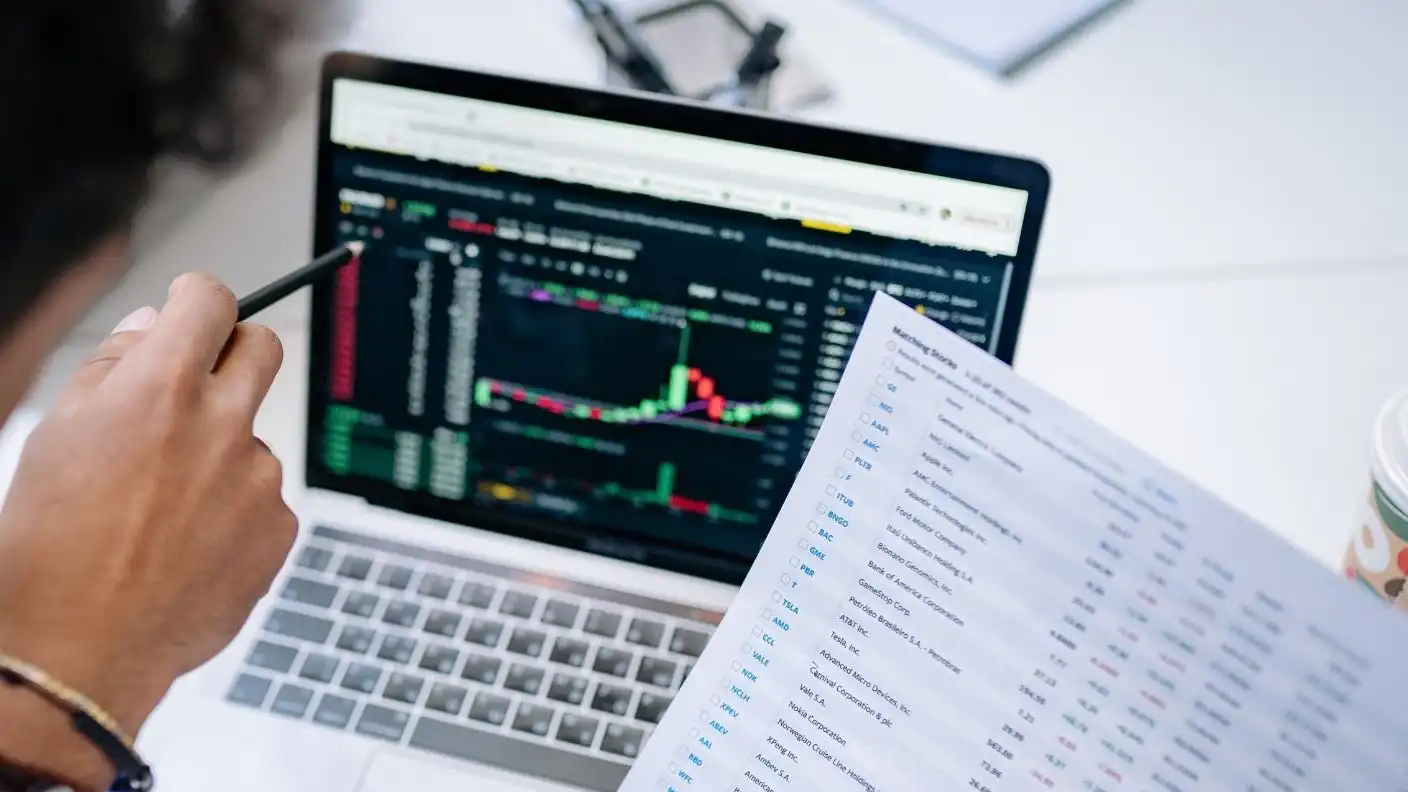
We must also talk about the moral side of this speed. When we automate our decisions based on live streams, we must ensure the machine knows its limits. If an automated trading system sells a massive amount of stock because the stream showed a temporary, minor dip, it could cause a market crash that hurts millions of people. We need to build “human-in-the-loop” systems where the algorithm identifies the opportunity, but a human approves the final, high-stakes decision. The stream provides the facts, but the human provides the wisdom. We must not let the addiction to speed strip away our sense of caution.
Conclusion
We stopped building a world that waits for permission and started building a world that responds to reality. Real-time data streaming architectures provide the nervous system for our modern, global market. They allow us to spot threats, find opportunities, and optimize our efficiency at the exact moment an event unfolds. While this technology demands better security and smarter human oversight, the benefits remain undeniable. We finally possess the tools to understand our world as it happens, rather than staring at a library of what it used to be.