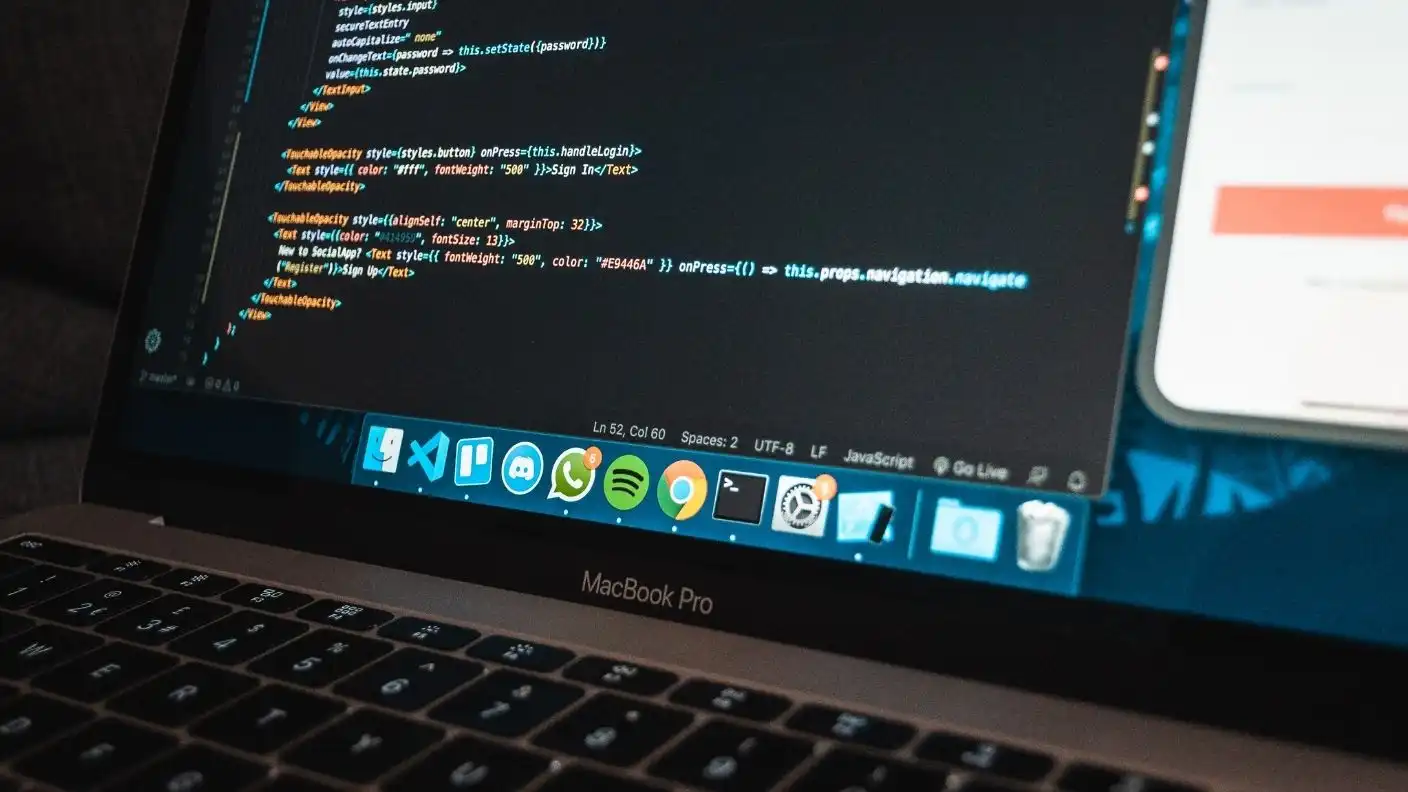
For most of the digital age, software development acted as an exclusive club. To build anything beyond a simple webpage, you had to learn complex programming languages, memorize hundreds of syntax rules, and spend years training your brain to think like a computer. This massive barrier to entry kept the power of software creation in the hands of a small, highly trained elite. But today, the world changes. We now see a massive, democratic shift. Low-code platforms strip away the cryptic text and replace it with visual tools, drag-and-drop interfaces, and automated logic. We no longer need to translate human ideas into machine code. We simply build what we imagine. This evolution in how we create software promises to unlock a global wave of innovation from people who never typed a single line of code in their lives.
The Death of the Syntax Wall
Think about the traditional path to becoming a developer. You spent semesters learning how to structure memory or manage complex data loops before you built anything useful. That focus on syntax acted like a high, locked wall. It kept out the brilliant accountants, the creative teachers, and the ambitious shop owners who had the best ideas for how to fix their own work problems. Low-code platforms tear down that wall. They allow a person to pull a pre-built “button” onto the screen and link it to a pre-built “database” without ever seeing the messy code underneath. When we lower the barrier, we invite the best problem solvers into the room, not just the best keyboard experts.
Empowering the Business Problem Solver
The best person to solve a business problem is usually the person who faces it every single day. If a logistics worker notices a terrible flaw in the shipping process, they know exactly how to fix it. In the past, they had to describe the fix to an IT department that didn’t understand the work. The IT team then built a tool that didn’t quite work right. That cycle of misunderstanding and delay is finally ending. With low-code, the logistics worker builds their own simple app to track the packages. They understand the problem, so they build the perfect solution. We put the power of software creation into the hands of the people who actually do the work.
Scaling Innovation Within the Office
Every large company suffers from a massive “innovation backlog.” IT departments have lists of requests thousands of items long. They prioritize the biggest, most critical infrastructure projects, which means small but essential tools never get built. Low-code solves this bottleneck by turning every office worker into a potential builder. When employees build their own departmental tools, the central IT team finally gets to focus on the truly big, global problems. It creates a distributed model of innovation where everyone adds value to the company’s digital foundation. We stop waiting for the “tech person” to save us, and we start saving ourselves.
The Rise of the Citizen Developer
We witness the birth of a new professional title: the citizen developer. These people do not hold a degree in computer science, but they possess a deep understanding of their specific industry. A nurse might build a tool to track patient wait times. A teacher might build an app to coordinate student reading assignments. These citizen developers fill the gaps that the big tech industry ignored. By giving these people the tools to create, we see a explosion of niche software that makes daily life better for millions of people. The tech world is becoming more human because the humans are finally the ones holding the pen.
Bridging the Gap to the Professional
Low-code does not mean the end of the professional developer. It means the professional developer can finally do the work they were actually hired to do. A senior engineer shouldn’t spend their entire week building a basic contact form or a simple login screen. They should spend their time building the complex, high-performance engines that power the company. When low-code platforms handle the basic, boring tasks, the pro developers have time to mentor, to architect, and to handle the heavy lifting that the visual tools cannot reach. It creates a beautiful partnership: the visual tool builds the structure, and the pro developer adds the genius.
Security and Governance in a Visual World
Of course, letting everyone build software creates a massive, scary risk. If an accountant builds a database to store company secrets and forgets to turn on the encryption, that person just created a giant security hole. Low-code platforms address this through “governance.” The platform itself carries the security rules. It doesn’t allow a user to build an insecure app. It forces the builder to use the company’s approved, encrypted data sources. The platform acts as a digital guardrail, allowing freedom while preventing disaster. We get the speed of a startup with the safety of a global corporation.
The Global Reach of Visual Tools
Digital tools built in one country used to be locked inside that country’s language and business culture. But low-code platforms use visual symbols and universal logic, which makes them much easier to share across global borders. A tool built to track agricultural prices in one part of the world can easily be adapted for a similar market in a totally different region. We see a massive, collaborative exchange of business tools. A solution that works in one local economy quickly becomes a global standard because the “code” is just a set of shared, visual blocks. We build a more connected, more efficient global economy by sharing our tools.
The Challenge of Vendor Lock-in
We must look at the dark side of this convenience. If you build your entire business on a specific low-code platform, you essentially marry that vendor. You cannot easily pick up your apps and move them to a different system if the company decides to double their prices or change the rules of the game. We need to push for more open standards in the low-code world. We need to be able to export the logic of our applications so we keep the power to move. True freedom requires the ability to switch partners whenever we choose. We must demand that these platforms play fair with our digital property.
Conclusion
The low-code revolution does not just make software building faster; it makes it fundamentally more human. By stripping away the need for cryptic syntax and years of specialized training, we invite everyone to participate in the digital construction of our future. We create a global environment where the person with the best idea is also the person who can build it. We face real challenges regarding security and vendor control, but the benefits are clear. We are finally democratizing the power to create. The software is no longer a tool for the elite; it is a tool for everyone.