Many people know they can use emulators to play classic Nintendo Wii games on a modern Mac computer. However, one dedicated developer recently decided to flip the script entirely. Bryan Keller achieved what many thought impossible by getting an ancient version of the Mac operating system to run directly on the famous 2006 game console. When people asked him why he spent his free time on such a strange project, his answer was simple: because someone on the internet told him it simply could not be done.
The ambitious developer first got the wild idea back in 2013 while he was still a sophomore in college. He tinkered with the concept but eventually put it aside. His motivation returned with a vengeance exactly five years ago. A Reddit user named u/CussdomTidder posted a bold statement online, declaring that there was a 0.0% chance anyone would ever make this specific hardware hack work. Instead of walking away, Keller used that exact comment as fuel to begin plugging away at his keyboard. He felt deeply encouraged by the anonymous contrarian.
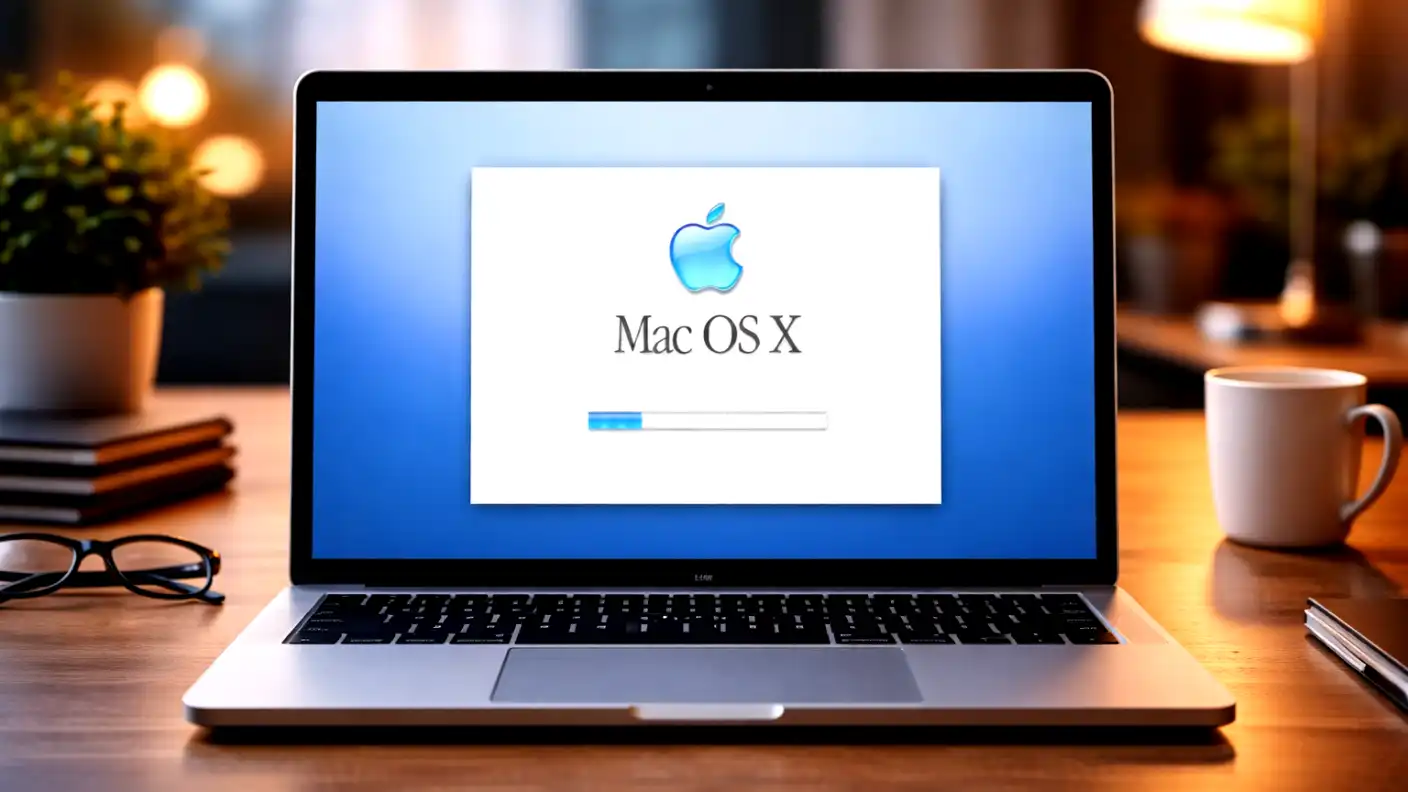
That single comment kicked off a massive, multi-year process. Keller set out to port Mac OS X 10.0, famously known as Cheetah, onto a small plastic device originally designed to play Wii Sports and Super Mario Galaxy. It was a monumental task that required deep technical knowledge and incredible patience. He spent countless hours reading old hardware manuals and testing lines of code just to see if the console would even recognize the foreign operating system.
Last year, Keller found another massive burst of inspiration. He saw that another hacker had successfully ported Windows NT onto the Wii. “Even if my lack of low-level experience resulted in failure, attempting this project would still be an opportunity to learn something new,” Keller wrote about his journey. He knew the Nintendo Wii served as a phenomenally hackable console. Over the years, other enterprising hackers successfully installed Windows 95, Linux, and NetBSD onto the same machine.
The hardware architecture actually gave Keller a huge advantage. The Nintendo system runs on a PowerPC chip that shares a very close lineage with the processors found inside older Mac computers. “Given this close lineage, I felt confident that the CPU wouldn’t be a blocker,” he explained. Once he realized the console’s main brain could handle the software, the real heavy lifting began.
From that starting point, Keller had to build everything from scratch. He wrote a completely custom boot loader just to get the machine to start up properly. He carefully patched the system kernel so it would communicate with the Nintendo hardware without crashing immediately. He even took the time to write brand-new drivers from the ground up. These custom drivers eventually allowed him to plug a standard computer mouse and keyboard directly into the USB ports on the back of the Wii.
When the classic Mac desktop finally appeared on his screen, the developer found the entire process deeply satisfying. He felt a special sense of pride knowing he had proved the initial doubters completely wrong. “In the end, I learned (and accomplished) far more than I ever expected,” Keller wrote in his project summary. He added that the experience served as a powerful reminder that the projects that seem just out of reach are exactly the ones worth pursuing the most.
For anyone who loves diving into technical details, the developer published a massive blog post explaining every single step of the grueling process. He outlined exactly how he tricked the 2006 hardware into running the desktop software. For the true hardware hackers out there, Keller also uploaded all of his custom code to GitHub. Anyone with an old Wii gathering dust in their closet can now download the files and try to turn their game console into an ancient Mac computer.