Anthropic, a leading AI company, is in hot water with the U.S. government after a disagreement over its contract with the Department of Defense. Federal Communications Commission Chairman Brendan Carr told CNBC on Tuesday that Anthropic “made a mistake” after the government blacklisted the AI firm.
The issue started during tense talks between Anthropic and the Pentagon. Anthropic wanted assurances that its AI technology wouldn’t be used for fully autonomous weapons or widespread surveillance of Americans at home. However, the Department of Defense insisted that it should be able to use Anthropic’s models for all legal purposes.
The talks fell apart last week. Anthropic CEO Dario Amodei stated that the company “cannot in good conscience” allow its models to be used under those conditions.
FCC Chairman Carr believes Anthropic miscalculated. He explained, “There’s obviously rules of the road that are in place that are going to apply to every technology that the Department of War contracts with.”
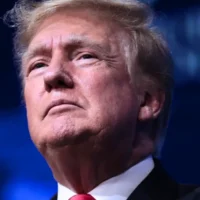
Following the breakdown, President Donald Trump ordered all U.S. government agencies to stop using Anthropic’s technology immediately. Defense Secretary Pete Hegseth further pressured Anthropic by calling it a “Supply-Chain Risk to National Security.” This label means any company working with the Pentagon cannot do business with Anthropic.
When asked if Anthropic could still work with the government, Carr suggested the company should “try to correct course as best they can.” He added that Anthropic had “lots of opportunities to find a great landing spot, and they chose not to do it and that’s a mistake for them.”
Anthropic expressed its disappointment on Friday, calling the blacklisting “legally unsound and set a dangerous precedent.” The company reiterated that it “sincerely tried to reach an agreement with the Department of War, making clear that we support all lawful uses of AI for national security,” except for domestic mass surveillance and fully autonomous weapons.
Meanwhile, OpenAI CEO Sam Altman announced his company had reached an agreement with the Department of Defense. However, on Monday, Altman admitted OpenAI “shouldn’t have rushed” its deal, saying it “looked opportunistic and sloppy.” OpenAI later clarified its agreement to specifically state that “the AI system shall not be intentionally used for domestic surveillance of U.S. persons and nationals.”