
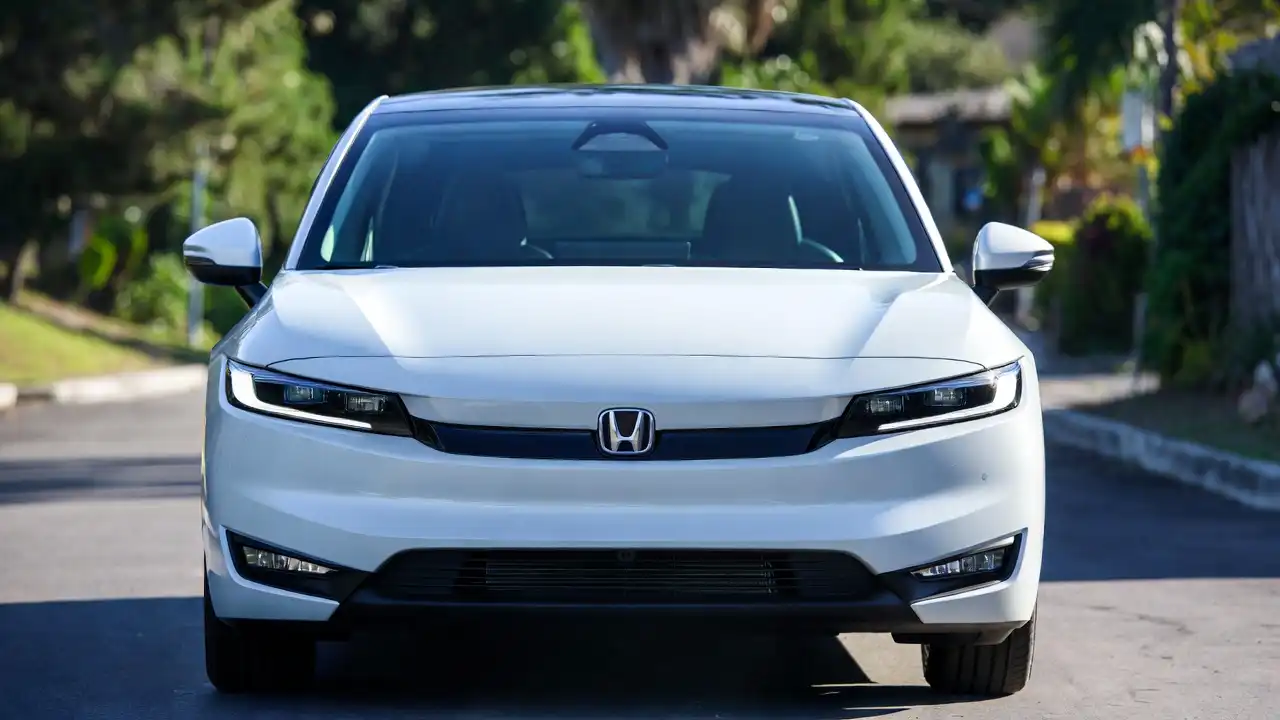
Honda recently announced it’s canceling three electric vehicles (EVs) that were close to production at its Ohio EV Hub. The affected models include the Honda 0 SUV, the Honda 0 sedan, and the Acura RSX. Honda had even shown these models, claiming they were almost ready for production, at CES 2025. Unlike other Honda EVs like the Prologue and Acura ZDX, which use GM’s Ultium platform, these canceled models were going to be Honda’s first fully in-house electric cars, built on its own “Zero platform.”
Honda explained that several factors led to this decision. They pointed to the end of federal EV tax credits, relaxed rules for gasoline cars, and US tariffs as reasons for slowing EV demand in the United States. In China, Honda admitted it couldn’t compete with newer companies that make software-focused cars much faster. CEO Toshihiro Mibe stated at a press conference that this change in demand has made it “very difficult” to make money from EVs.
Because of this, Honda plans to put its efforts into developing new hybrid vehicles. They will only release new EVs when there’s enough demand to make it worthwhile. The company also shared plans to grow in India, where they expect the hybrid market to expand. Honda isn’t the only carmaker rethinking its EV plans; other brands like Hyundai, Kia, Volkswagen, Porsche, and Ford have also canceled or delayed major US EV projects since federal policies changed.
This big shift in its EV business could cost Honda a massive 2.5 trillion yen (about $15.7 billion). This would be the first time the company loses money since it went public in 1957. To show their commitment, CEO Toshihiro Mibe and Executive Vice President Noriya Kaihara will give up 30 percent of their pay for three months, and other senior executives will give up 20 percent. Honda plans to share more details about its long-term strategy at a press conference in May.