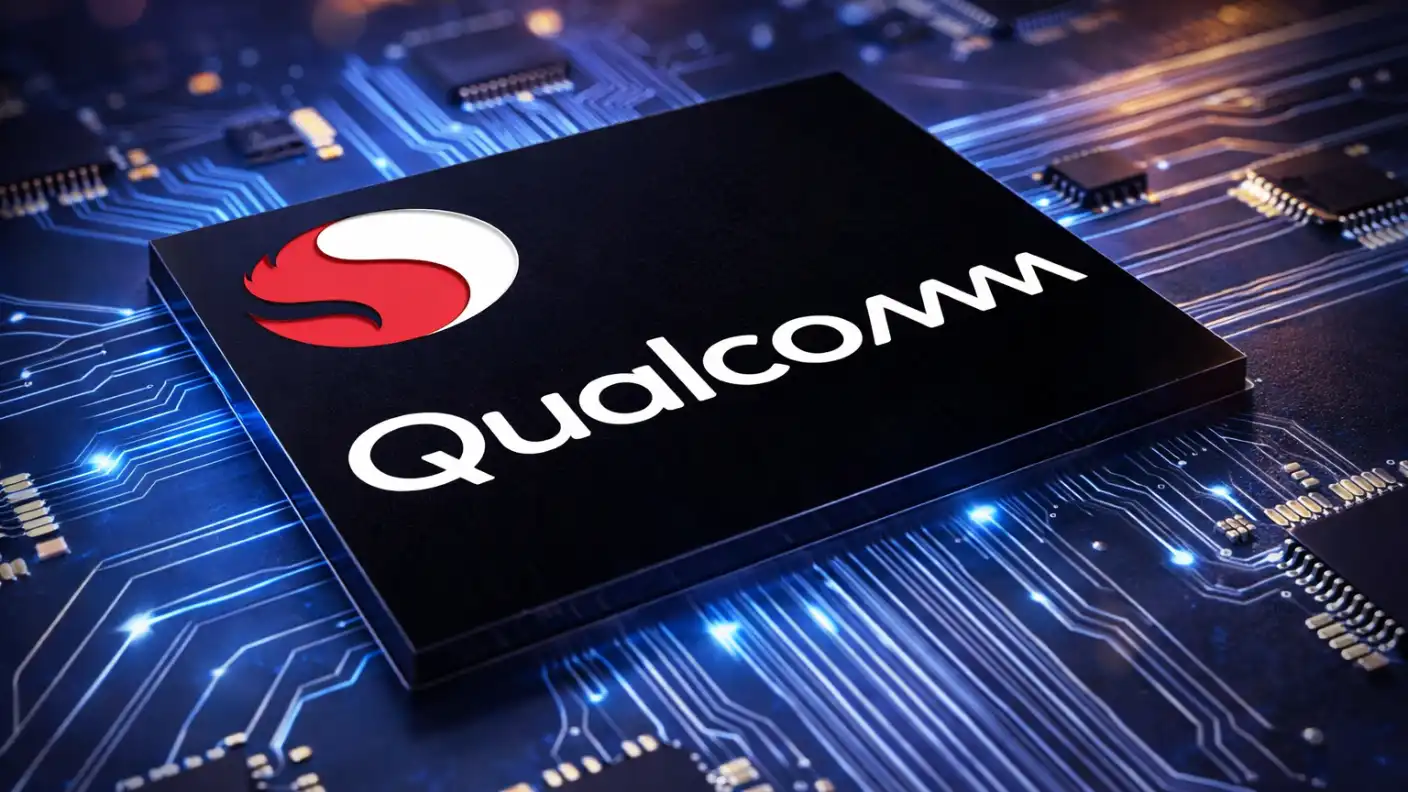
Qualcomm shares fell 10% this week after the chipmaker gave a weak outlook for the coming months. Even though the company beat expectations in its most recent quarter, investors got nervous about a growing problem: a major shortage of memory chips for consumer gadgets.
The issue stems from the massive boom in artificial intelligence. Data centers are popping up everywhere to power AI, and they require specialized, high-performance memory. Because chipmakers are prioritizing these massive data centers, they have fewer resources left to produce the standard memory chips used in smartphones, computers, and wearable tech.
Qualcomm CEO Cristiano Amon blamed the situation entirely on this supply crunch. During a call with analysts, he stated the current weakness is “100% related to memory.” He noted that while people still want to buy new phones, manufacturers have to slow down their production lines because they simply cannot get enough parts.
For the current quarter, Qualcomm expects revenue to land between $10.2 billion and $11 billion. This falls short of the $11.11 billion that analysts were looking for. The company also expects its profit per share to be lower than what Wall Street predicted.
This “memory crunch” is hitting the entire tech world. Other big names like Arm and Apple recently warned that they are struggling to find enough chips to meet customer demand. While this is bad news for phone makers, it is great news for memory producers like Samsung and Micron. These companies can now charge higher prices because their products are in such high demand.
Amon mentioned that he isn’t sure if smartphone prices will go up for shoppers yet, but he expects the shortage to keep limiting how many devices hit the shelves. He also pointed out that Qualcomm’s customers usually make expensive, high-end phones, which makes it easier for them to handle rising costs. While Qualcomm is building its own AI chips for data centers to compete in that market, the company does not expect that part of the business to bring in significant money until 2027.