LG Electronics just hit a rough patch, reporting its first quarterly operating loss in nearly ten years. The company’s latest financial guidance shows that its usual money-makers, like TVs and home appliances, are no longer growing as quickly as they used to.
For the final quarter of 2025, LG expects an operating loss of 109.4 billion won (about $75 million). This is a massive swing from the profit it made during the same time in 2024. While the company still brought in plenty of revenue—roughly 23.85 trillion won—the high costs of doing business wiped out the bottom line. This marks the first time the tech giant has been in the red since 2016.
Several factors caused this financial dip. Demand for display products has been slow to recover, and new U.S. tariffs have raised prices. At the same time, LG spent heavily on marketing to keep up with fierce competition. The company also dealt with about 300 billion won in one-time costs related to a voluntary retirement program for its employees.
LG leadership knows that the markets for washing machines and televisions are “mature,” meaning there’s little room for growth. To fix this, the company is looking toward the future. While they have seen some success with car components and subscription services, experts say the real key to LG’s survival is robotics.
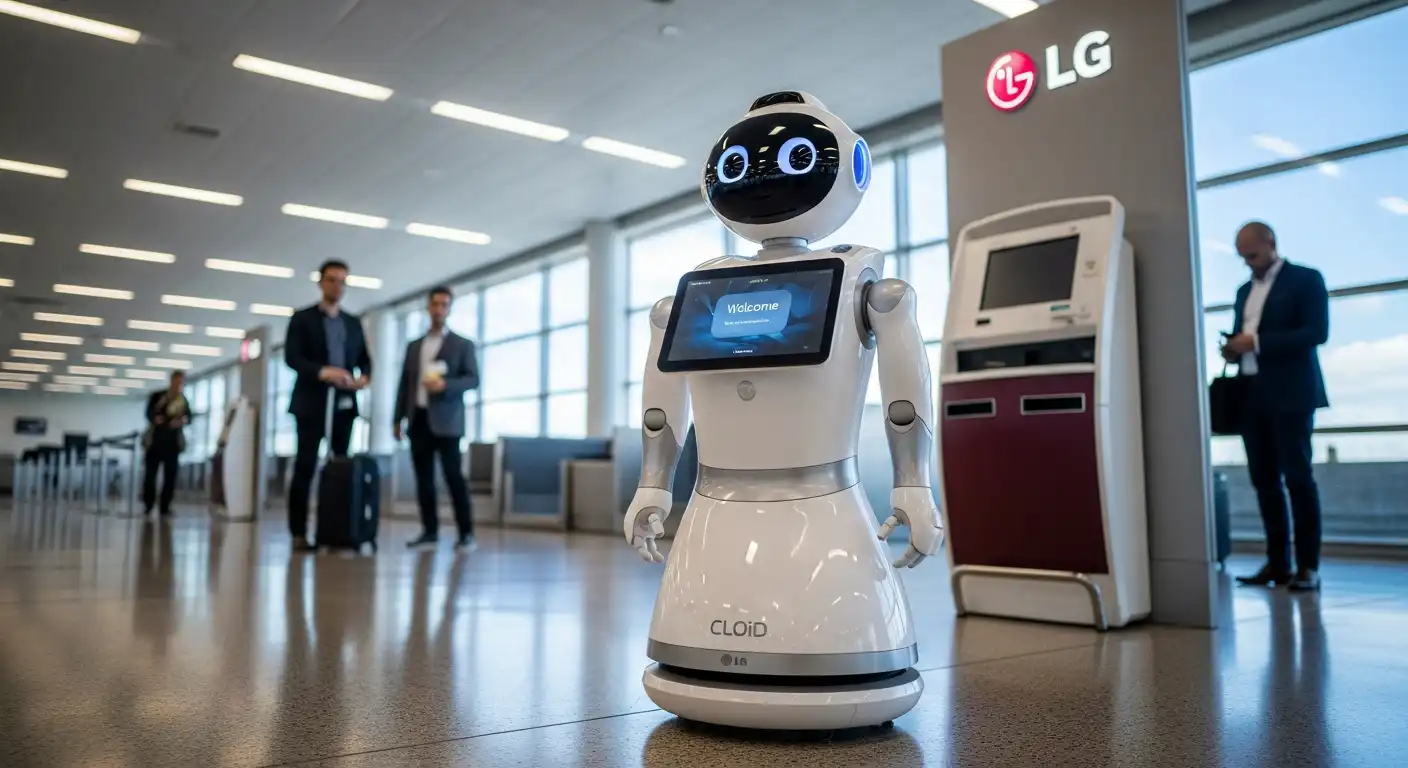
At CES 2026, LG grabbed headlines with “CLOiD,” an AI-powered home robot that can fold laundry and organize dishes. However, some industry insiders are skeptical about home robots because they are incredibly expensive. A robot that folds towels could cost over 100 million won, which is more than most families can afford.
Instead, the real money might be in industrial robots and the parts that move them, called actuators. Because LG already makes top-tier batteries, cameras, and sensors, it has a head start in building the supply chain for these machines. CEO Lyu Jae-cheol recently confirmed that LG will expand its robot business into factories and commercial spaces. To prove they are serious, the company plans to increase its investment in these new technologies by more than 40% this year.