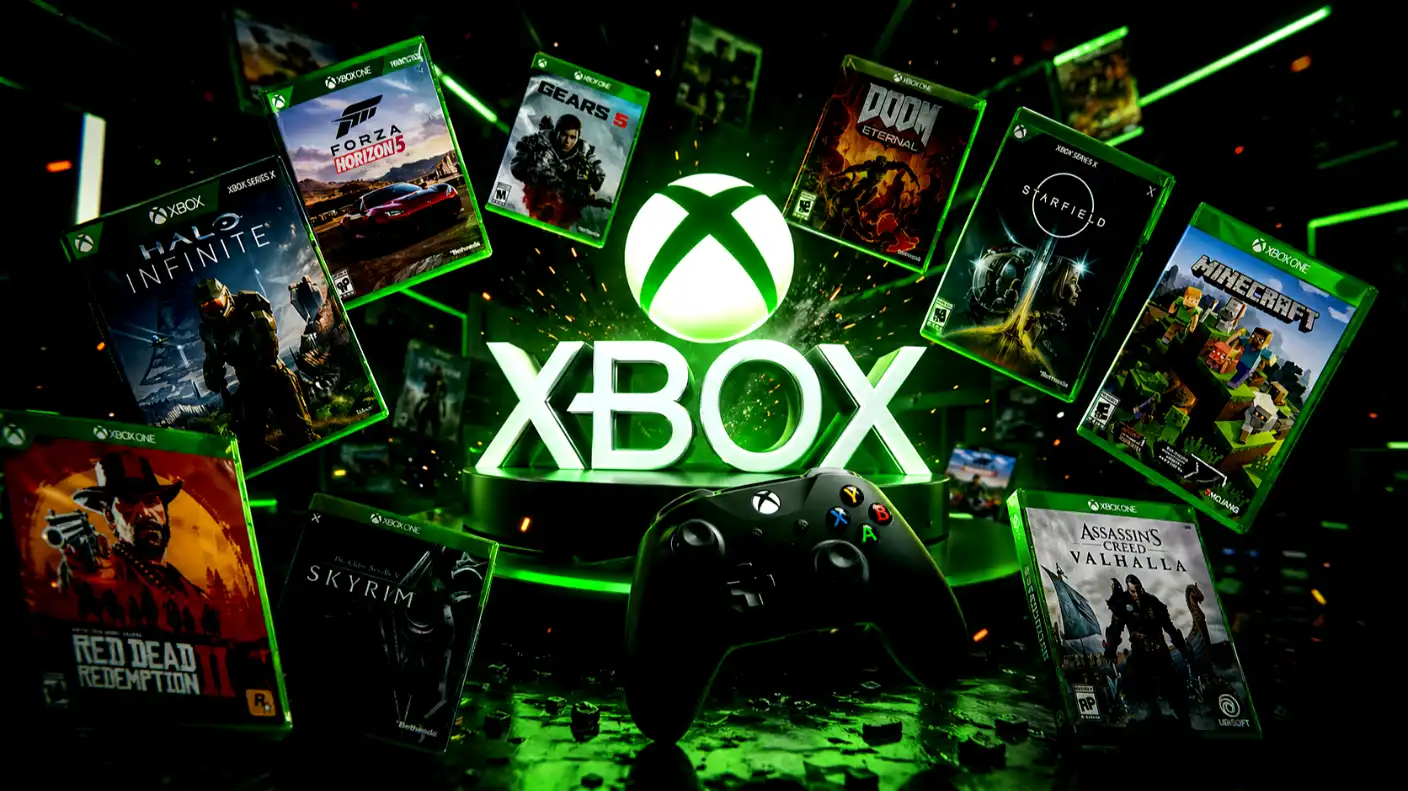
Xbox is undergoing a massive leadership overhaul to save its struggling console business. The company just announced that Matthew Ball, a widely respected industry analyst and venture capitalist, will serve as its new Chief Strategy Officer. Ball gained fame for his deep analysis of digital economies and his annual State of Gaming reports. He also authored a popular book on the metaverse, which earned praise from high-profile executives like Mark Zuckerberg and former Xbox boss Phil Spencer. Now, Ball faces the difficult task of stabilizing a division currently battered by global memory chip shortages and intense competition from Sony, Nintendo, and Valve.
The hiring of Ball follows a series of dramatic changes within Microsoft’s gaming wing. In February, the company replaced its long-time leadership team, including former head Phil Spencer and president Sarah Bond. Asha Sharma, who previously ran Microsoft’s CoreAI division, stepped into the role of CEO of Microsoft Gaming. Since taking charge, Sharma has aggressively shifted the Xbox strategy. She lowered Game Pass subscription prices, teased a new PC-console hybrid device known as Project Helix, and famously removed Microsoft’s Copilot AI assistant from the Xbox dashboard to simplify the user experience.
This executive shuffle comes after years of instability. In July 2025, Microsoft carried out a round of massive layoffs that hit the gaming sector harder than most other departments. These budget cuts resulted in several high-profile game cancellations and the closure of multiple studios. These decisions felt particularly harsh considering Microsoft had spent the previous several years on an aggressive spending spree. The company famously bought studios like Double Fine and Compulsion Games, eventually capping off its expansion with the $69 billion purchase of Activision Blizzard in 2023.
Ball is not the only high-level executive moving into the Xbox office this week. Microsoft also announced that Scott Van Vliet, the former head of Azure OpenAI and AI Core infrastructure, is joining the team as the new Chief Technology Officer. Van Vliet’s arrival signals that Microsoft wants to integrate its most advanced server and cloud technology directly into the future of Xbox hardware. By pairing a master strategist like Ball with an infrastructure expert like Van Vliet, CEO Asha Sharma is clearly trying to rebuild the foundation of the Xbox brand.
The console segment currently faces a “dire straits” situation, according to insiders. Global supply chain issues continue to make memory chips expensive and hard to source. Because the cost of DRAM and flash storage has spiked, building consoles has become significantly less profitable. Some market estimates suggest that hardware production costs for gaming machines have risen by more than 1.5% compared to this time last year. This puts enormous pressure on Microsoft to find new ways to make money, whether through hardware innovation or by shifting how it sells its software.
Matthew Ball’s background in venture capital and digital production makes him an unusual choice for a traditional strategy role. His firm, Epyllion, managed a large-scale metaverse investment fund and provided high-level consulting for the biggest players in the gaming world. He understands where the industry is going better than almost anyone else. His appointment suggests that Xbox might move away from simply selling plastic boxes and toward a more complex, digital-first model that integrates social spaces and virtual economies.
Critics of the previous administration argued that Xbox lost its way by trying to be “everything for everyone.” By canceling exclusives and porting titles to rival consoles, the company accidentally convinced many customers that they did not need to buy an Xbox at all. Under Sharma’s new leadership, the company seems ready to pivot. Hiring Ball suggests that the new team wants to use data and industry trends to build a more sustainable hardware strategy.
The addition of an AI infrastructure expert as the new CTO is also telling. Even though Sharma removed the consumer-facing Copilot assistant from the Xbox dashboard, the company clearly still believes in the power of artificial intelligence. Van Vliet will likely focus on using AI to make games run better, speed up development times for game studios, and lower the costs of operating the Xbox network. Microsoft is already investing over $1 billion annually into its broader cloud and AI infrastructure, and Xbox intends to get its fair share of that support.
Whether these leadership changes can turn the ship around remains to be seen. The gaming industry is notoriously difficult to predict, and loyalty among Xbox fans has been stretched thin by recent closures and corporate upheaval. However, by bringing in a mix of industry experts and cloud veterans, Microsoft is making it clear that the current approach is not working. The new team has a clear mandate: figure out how to sell hardware in a world where players have more options than ever before.