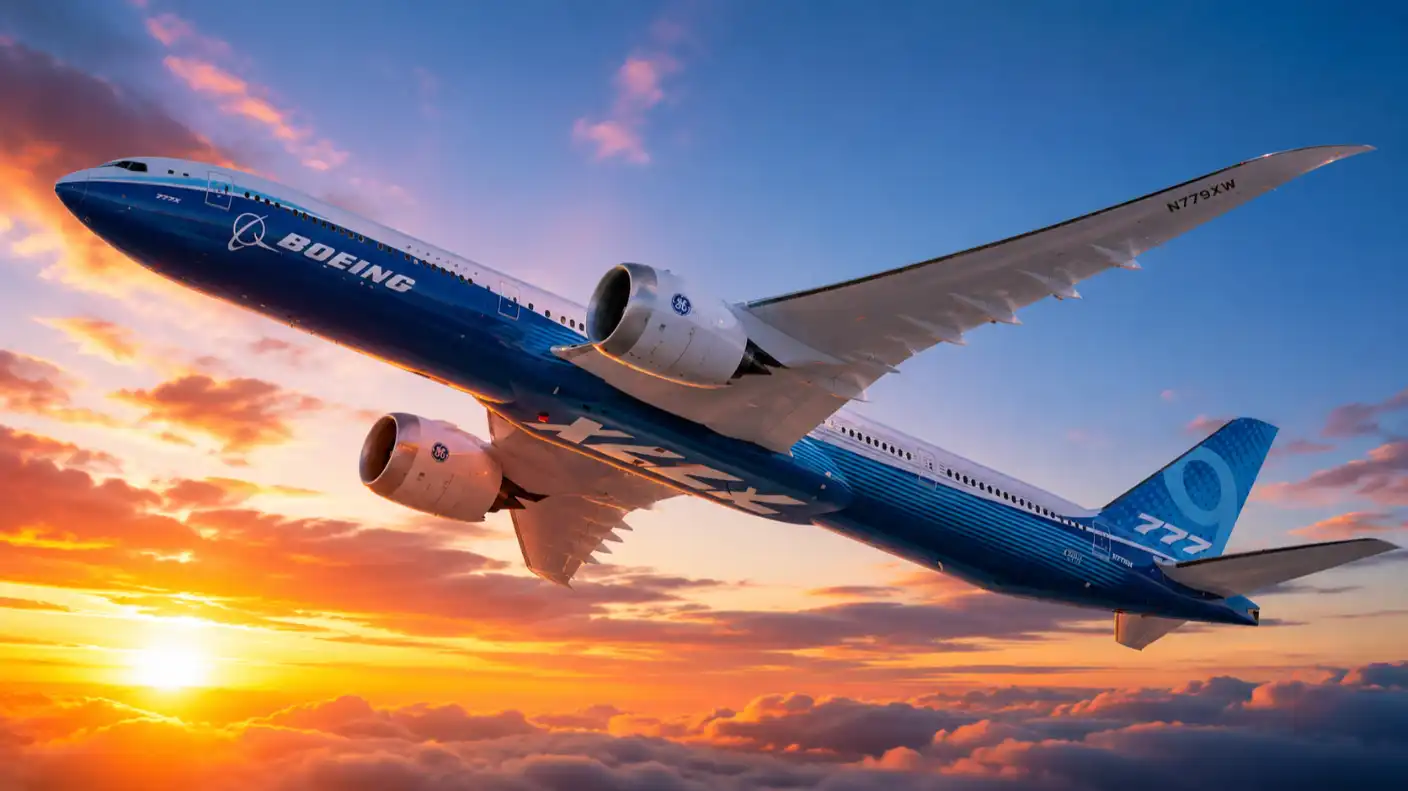
US President Donald Trump just finished a high-profile trip to China, and he didn’t come home empty-handed. During a television interview, Trump revealed that China agreed to buy 200 “big” aircraft from Boeing. This announcement ends a long wait for the American plane maker, which has struggled to get new orders from the Chinese market for several years. While the move looks like a major diplomatic victory, the specific details of the deal remain a bit mysterious to those watching from the outside.
Boeing officials quickly stepped in on Friday evening to confirm the President’s remarks. The company stated that it reached an “initial commitment” for those 200 planes as part of the diplomatic visit. According to a company spokesperson, the major goal of the trip was to reopen the Chinese market to Boeing products. They believe this first batch of planes is just the beginning and expect more commitments to follow soon. However, the company stopped short of saying exactly which models China is buying or when the deliveries will start.
Before the trip, many industry experts expected a much larger order. Rumors suggested that Beijing might buy as many as 500 of the 737 Max jets. While the 200-plane deal is certainly a billion-dollar win for the company, it fell short of the high expectations set by the market. This might explain why investors stayed cautious. On Friday, Boeing shares fell for a second straight day, closing 3.8% lower as traders tried to make sense of the confusing numbers coming out of the White House.
To add to the excitement, Trump changed the numbers again while flying home on Air Force One. He told reporters that the initial commitment for 200 planes could eventually grow to a staggering 750 aircraft. He explained that if the Chinese government does a “good job” with the first 200 planes, he is sure they will dramatically expand the order. This kind of public comment is classic Trump—he acts as the “chief commercial salesman” for American industry while keeping everyone, including the other side, guessing about the final price tag.
Trump has a long history of using Boeing as a tool for American diplomatic power. He often leverages the company’s massive manufacturing reach to secure trade wins with other nations. Last year, during a visit to Qatar, he helped secure a deal that ranks as the biggest commercial aircraft sale by value. During that trip, there was similar confusion when Trump claimed a value for the deal that was much higher than what analysts considered realistic. It seems he views these multi-billion dollar contracts as the ultimate scoreboard for his trade policies.
Boeing clearly appreciates the help. The company has publicly praised the President for his efforts to sell their planes around the world. Executives have even started calling him their “chief salesman.” But this close relationship has caused a stir in Europe. Boeing’s archrival, Airbus, has taken notice of the political backing. Leaders at Airbus say they are at a major disadvantage because they don’t have a president or prime minister who fights for their sales campaigns with the same intensity.
The stakes in the aerospace market are incredibly high. Every single percentage point of market share can mean billions in future revenue. Even a 1.5% shift in global orders can change the fate of a factory for a decade. If Boeing can secure a 750-plane deal, it would be a massive boost for American factories and workers. China is currently the fastest-growing aviation market in the world, and losing ground there would be a disaster for any manufacturer. For Boeing, having the leader of the free world personally pitch their products is a unique advantage that Airbus simply cannot match.
Despite the political wins, the stock market remains a bit jittery. Traders like clear numbers and firm timelines, neither of which were available after the Beijing summit. The 3.8% drop in share value shows that investors are worried about the “nebulous” nature of the agreement. They want to see signed contracts and down payments before they celebrate. For now, the deal sits in a grey area where it is a political success but a financial question mark.
Chinese officials have remained very quiet throughout this process. They haven’t provided any extra context or confirmed the 750-plane figure mentioned by Trump on his way home. This silence is typical for Beijing, as they often prefer to release information on their own schedule. It remains to be seen if they will actually follow through on the “big” order or if the 200-plane commitment was just a polite gesture to ensure a smooth visit for the US President.
In the end, the Boeing deal highlights how much global business now relies on high-level politics. A single meeting between world leaders can shift the future of a $100 billion industry. As the Trump administration continues its “Made in USA” push, more companies will likely look to the White House to help them open doors in difficult foreign markets. Whether these nebulous announcements turn into real planes on the runway is the big question that remains for 2026.