A federal judge in San Francisco paused a massive $1.5 billion settlement between the AI company Anthropic and a large group of authors on Thursday. U.S. District Judge Araceli Martinez-Olguin refused to give the deal her final blessing just yet. Instead, she demanded that lawyers provide much more detail about where exactly all that money is going. She specifically raised questions about the millions of dollars set aside for legal fees and the payments promised to the lead authors who started the case.
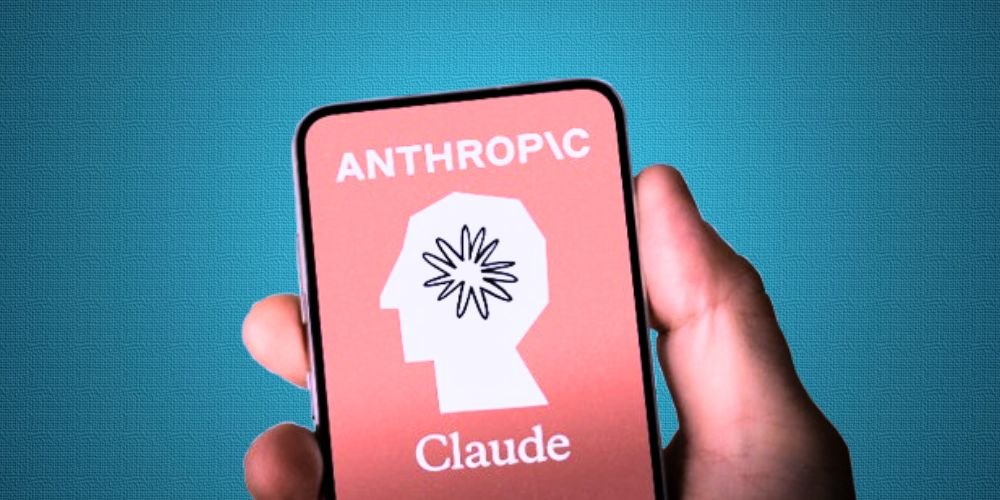
This $1.5 billion agreement represents the largest known copyright settlement in United States history. Because of its size, every tech giant and publishing house in the world is watching the courtroom closely. Anthropic, which receives backing from massive corporations like Amazon and Google, built its popular chatbot Claude by feeding it millions of pages of human writing. The authors claim the company stole their life’s work to train its machine, and now they want a fair share of the profits.
The legal battle began back in 2024. A group of writers sued Anthropic, arguing the company used pirated versions of their books without asking for permission or paying a single cent. They claimed the company created a “central library” filled with over 7 million pirated books. While a previous judge ruled that using books to “teach” an AI might be allowed under fair use laws, he found that storing those millions of pirated files in a private library definitely violated the authors’ rights.
Before this settlement appeared, the case was heading toward a high-stakes trial last December. If a jury had found Anthropic guilty of industrial-scale piracy, the damages could have reached hundreds of billions of dollars. Such a loss would have likely bankrupted the company and sent shockwaves through the entire artificial intelligence industry. Many observers believe the $1.5 billion settlement is a bargain for Anthropic, even though it sounds like a massive amount of money.
During the hearing on Thursday, an attorney for the writers explained that the settlement covers more than 480,000 individual works. So far, copyright holders for about 92% of those books have signed on to the deal. However, the remaining 8% represents a significant group of people who are very unhappy with the terms. These critics argue that the $1.5 billion is not nearly enough to compensate them for the loss of their intellectual property.
Some authors also complained that their own lawyers are taking too big of a cut from the final pile of cash. They believe the legal teams are overcompensating themselves while the actual creators get tiny checks. Judge Martinez-Olguin seemed to share some of these concerns, which is why she is digging into the math before she signs off on the agreement. She wants to ensure that the people who actually wrote the books are the ones who benefit most from the settlement.
The drama in the courtroom increased on Wednesday when a new group of more than 25 famous writers decided to strike out on their own. This group, which includes well-known authors like Dave Eggers and Vendela Vida, officially opted out of the $1.5 billion settlement. They filed a brand-new complaint against Anthropic in California, claiming the existing deal is flawed. They want to fight for their own terms rather than accepting what they consider a low-ball offer from a multi-billion dollar tech firm.
Anthropic is not the only company facing these kinds of headaches. Authors, artists, and news outlets have filed dozens of similar lawsuits against other AI leaders like OpenAI and Meta. Everyone wants to know if tech companies can just take whatever they find on the internet to build their products. This case is the first major one to reach a settlement, so it sets a precedent for every other legal fight happening right now.
If the judge eventually approves the $1.5 billion deal, it could change how AI companies operate. They might start setting aside billions of dollars in their budgets just to pay for the data they use. Right now, the industry is growing at a breakneck speed, with some companies seeing their valuations jump by 10% or more in a single month. But if they have to pay for every book and article they “read,” their path to profit might get a lot steeper.
For now, the authors and Anthropic have to wait. The judge wants her answers before the end of the month. The writers who stayed in the deal are hoping for a quick resolution so they can finally get paid. Meanwhile, the writers who left are preparing for a long, expensive battle to prove that their creativity is worth more than what the tech giants are offering.