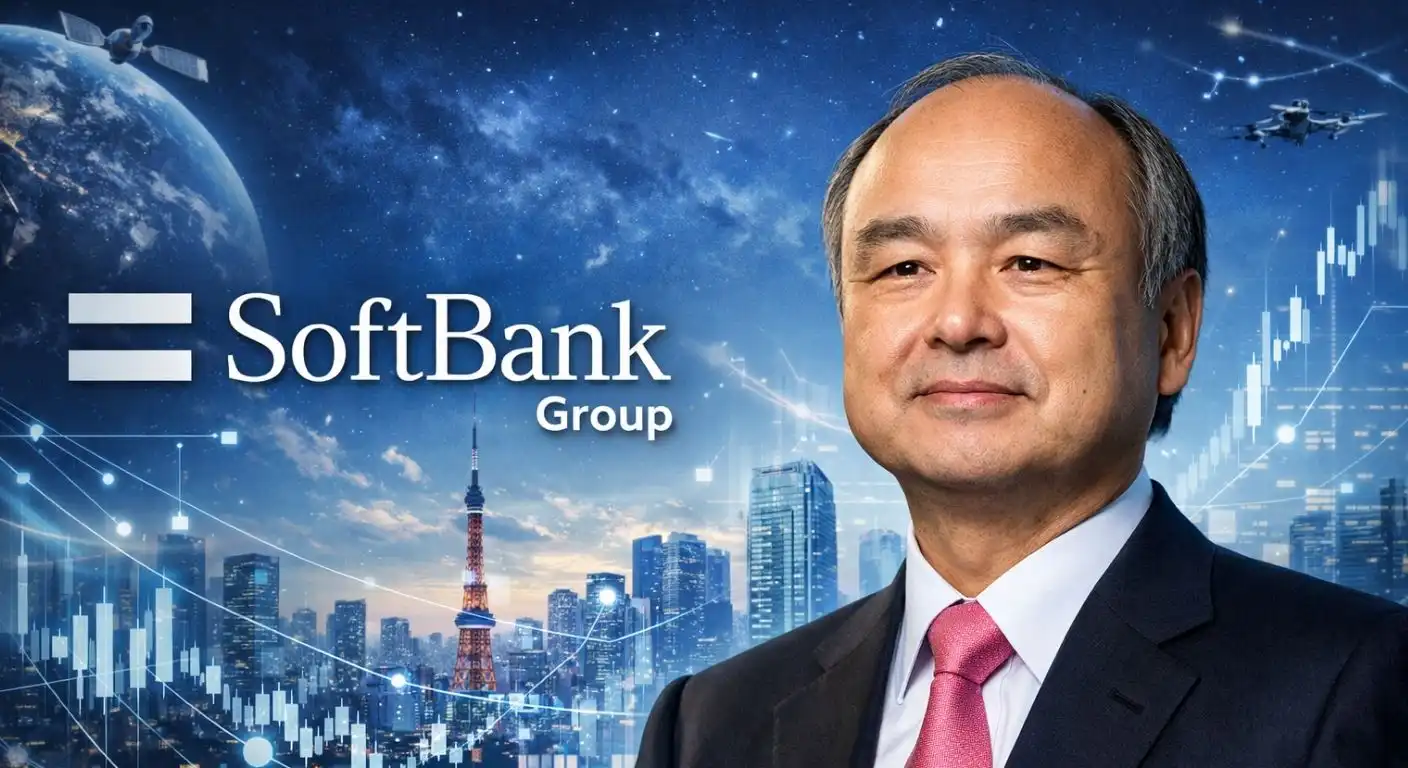
SoftBank Group just proved that its massive bet on artificial intelligence is paying off in a huge way. The Japanese investment giant reported a yearly gain of $46 billion for its famous Vision Fund. This massive financial win did not happen by accident. Instead, it came almost entirely from the explosive rise in value of OpenAI, the company behind ChatGPT. SoftBank is now positioning itself as the primary financial engine behind the global AI revolution.
The numbers behind this success are truly staggering. SoftBank has already funneled more than $30 billion into Sam Altman’s OpenAI. Because the world is currently obsessed with AI technology, the value of that stake grew by $45 billion in the fiscal year that ended this March. This gain helped SoftBank recover from previous years of struggle and firmly placed the company at the center of the tech world once again.
During the final three months of the fiscal year alone, the Vision Fund saw its value jump by around $20 billion. Almost all of that growth came from the OpenAI investment. This was a lucky break for the company, as many of its other big bets did not perform nearly as well. SoftBank actually suffered significant losses on other high-profile investments lately, including the delivery giant Coupang, the ride-sharing company DiDi Global, and the Swedish fintech firm Klarna.
SoftBank does not plan to stop at $30 billion. The company officially committed to investing a total of more than $60 billion in OpenAI over the coming years. If SoftBank follows through on this plan, it will eventually own roughly 13% of the entire company. This aggressive strategy shows that SoftBank founder Masayoshi Son believes AI is the single most important technology for the future of humanity.
In March, OpenAI closed a major funding round that SoftBank helped lead. That deal valued the AI laboratory at an incredible $852 billion. Reaching a valuation nearly approaching $1 trillion is a massive feat, especially since OpenAI faces intense competition from tech titans like Google and startups like Anthropic. Despite the crowded market, investors still view OpenAI as the clear leader in the field, which keeps driving the stock price higher.
However, not everyone thinks this all-in strategy is a good idea. Because SoftBank is putting so much money into just one company, experts are starting to worry about its debt levels and overall safety. In March, S&P Global Ratings officially changed its outlook for SoftBank from “stable” to “negative.” The ratings agency warned that the quality of SoftBank’s portfolio might get worse because it is spending such a huge amount of cash on OpenAI.
The agency suggested that SoftBank might need to sell off other assets to keep its finances healthy and reduce risk. SoftBank is already taking that advice to heart. The company has been busy selling its ownership stakes in other successful businesses, like T-Mobile and the chipmaker Nvidia. They are essentially cashing out of older, established tech companies to find the billions of dollars they need to keep funding their OpenAI obsession.
SoftBank reported that it earned about 218.1 billion Japanese yen, or roughly $1.4 billion, from these asset sales and other small investments during the year. But when you look at the whole picture, the news is a bit mixed. Once you remove the effects of exchange rates and daily business expenses, SoftBank actually posted an investment loss of 472.1 billion yen for the year when you exclude the Vision Fund’s performance.
Despite those specific losses, the SoftBank Group as a whole is doing very well. The company posted a net profit of 5 trillion yen for the entire year. This healthy profit was supported by two main pillars: the massive gains from the Vision Fund and the steady income from its traditional telecommunications division. Without the success of OpenAI, the company’s yearly report would have looked very different and much more disappointing for shareholders.
The tech world is watching SoftBank closely to see if this $60 billion gamble will ultimately make them the kings of the AI era or leave them with too much debt. For now, the massive $45 billion gain on paper makes Masayoshi Son look like a genius. As long as the AI boom continues to grow by at least 1.5% or more each month, SoftBank’s vision of a machine-led economy seems closer than ever to becoming a reality.