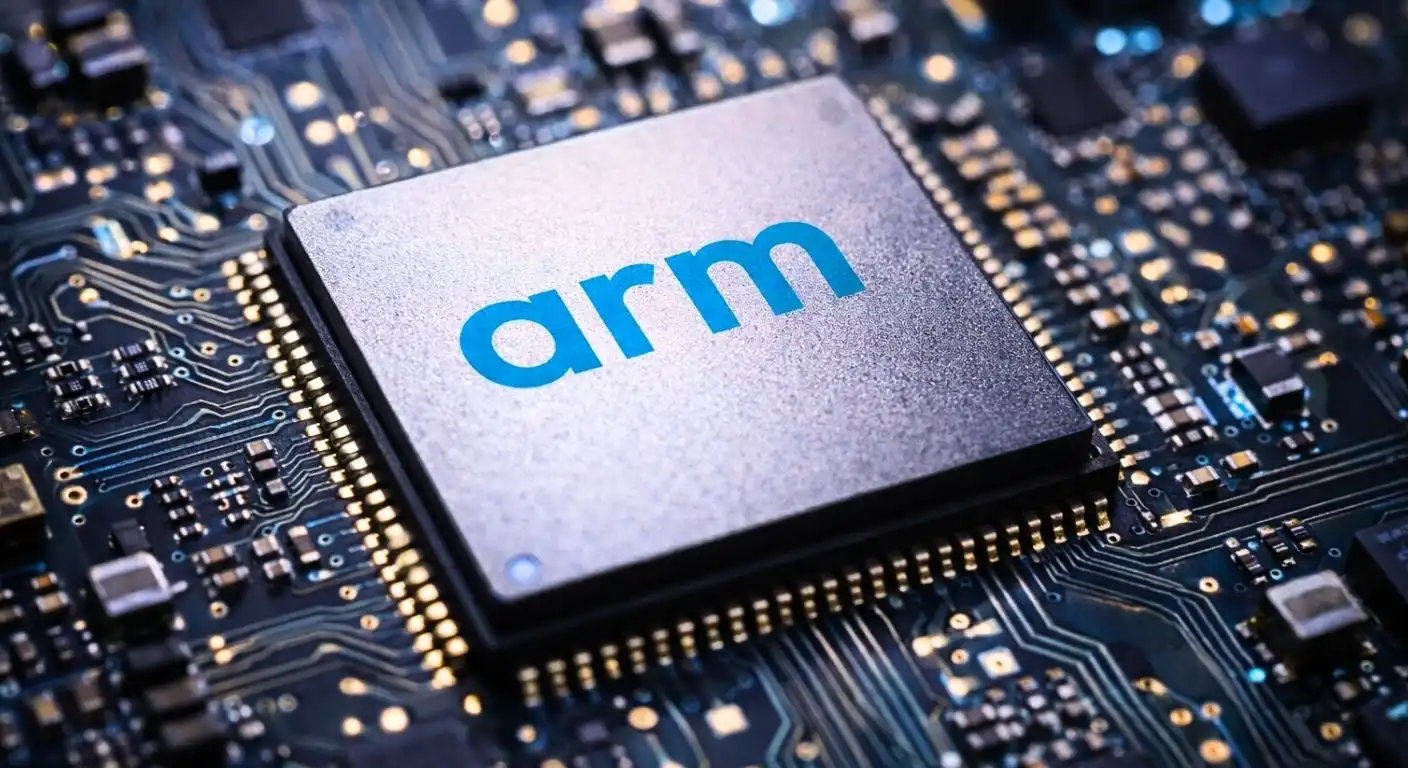
A massive shift is underway in the giant data centers that power the internet. The biggest cloud service companies in the world, along with leading artificial intelligence hardware developers, are building their own custom computer chips. They are no longer just designing special AI accelerators; they are also building general-purpose central processors. Almost all of these new custom processors use the ARM instruction set architecture. According to a new report from Counterpoint Research, this trend will explode over the next few years. Experts predict that by 2030, Arm architecture will completely dominate the custom AI server market, capturing a staggering 90% share.
For decades, traditional x86 processors built by Intel and AMD ruled the data center world. When companies first started building massive servers to handle artificial intelligence, they naturally relied on standard Intel Xeon and AMD Epyc processors. However, the technology landscape changed very quickly. Tech giants discovered that custom processors built on the Arm design handle heavy, data-intensive AI workloads much better. These custom ARM chips run cooler and use significantly less electricity, which saves companies massive amounts of money. Because artificial intelligence programs are so new, the engineers building them do not really care about backward compatibility with older x86 software.
Because of these cost savings, the biggest names in technology decided to build their own hardware. Companies like Amazon Web Services, Google, and Microsoft stopped buying off-the-shelf processors and started designing proprietary Arm-based chips specifically for their own internal workloads. Amazon uses its custom Graviton processors alongside its own Trainium systems. Google relies on its new Axion Arm CPU to run its next-generation artificial intelligence infrastructure. Microsoft paired its custom Azure Cobalt Arm CPU perfectly with its new Maia accelerators. Even Meta, the parent company of Facebook, signed up to be the very first customer for a brand new processor designed entirely by Arm.
Neil Shah, the vice president of research at Counterpoint Research, explained exactly how this massive industry shift is happening. He pointed out that tech companies are not simply flipping a single switch and abandoning older hardware overnight. Instead, the transition happens slowly, generation by generation and server rack by server rack. Hyperscalers make very careful, deliberate choices based entirely on their specific business needs and software requirements. Shah noted that the financial savings from using custom chips look incredibly encouraging. He expects this hardware transition to speed up significantly in the second half of 2026.
Right now, traditional x86 processors still power the vast majority of regular servers. However, the future looks heavily slanted toward custom silicon. Counterpoint Research projects that by 2029, custom Arm-based processors will account for at least 90% of the host CPUs in specialized AI servers. This represents a massive jump from the roughly 25% share they held in 2025. This prediction spells potential trouble for traditional chipmakers. The massive tech companies that buy millions of processors every year are quickly learning how to build better, cheaper hardware entirely on their own.
However, Intel and AMD are absolutely not giving up without a fight. Both companies recognize the massive threat and are aggressively adapting their business strategies. AMD currently builds massive, vertically integrated systems that combine its own x86 EPYC processors with its powerful Instinct AI accelerators and networking gear. Because AMD builds all the parts under one roof, the company can perfectly tailor the hardware specifically for complex artificial intelligence workloads.
Intel is taking a slightly different approach to stay relevant in the AI race. The company recently began developing custom versions of its famous Xeon processors specifically to work seamlessly in Nvidia’s next-generation data centers. This partnership proves that traditional x86 chips can still adapt and serve a vital purpose in the modern hardware landscape. While custom ARM chips will clearly dominate the specialized artificial intelligence server market over the next five years, x86 architecture will definitely continue to hold a massive share of the broader computing market.