We once roamed the internet as anonymous ghosts. We hid behind silly usernames, and we treated our digital lives as separate from our real names. Then, the era of massive social platforms arrived. These giants demanded our legal names, our phone numbers, and our government-issued identification. We traded our anonymity for the convenience of one-click logins. Today, we stand at a turning point. As we move toward a decentralized internet, we finally reclaim our digital presence. We no longer rent our identities from corporate giants. We own our identity, we control our data, and we determine exactly who gets to see it. This shift represents the most important change in how we interact with technology today.
The Problem with Corporate Gatekeepers
For the last decade, giant tech companies acted as the ultimate gatekeepers of the internet. They controlled the “login” button on nearly every website you visited. If you wanted to check your bank balance, order a pizza, or read the news, you often had to sign in using a corporate-owned account. This gave these companies a terrifying amount of power. They tracked everywhere you went, everything you bought, and everyone you knew. They built a massive, global surveillance machine by simply offering us a “convenient” way to sign in. We handed them the keys to our entire lives, and they used those keys to harvest our data for profit.
Moving From Rented to Owned Identity
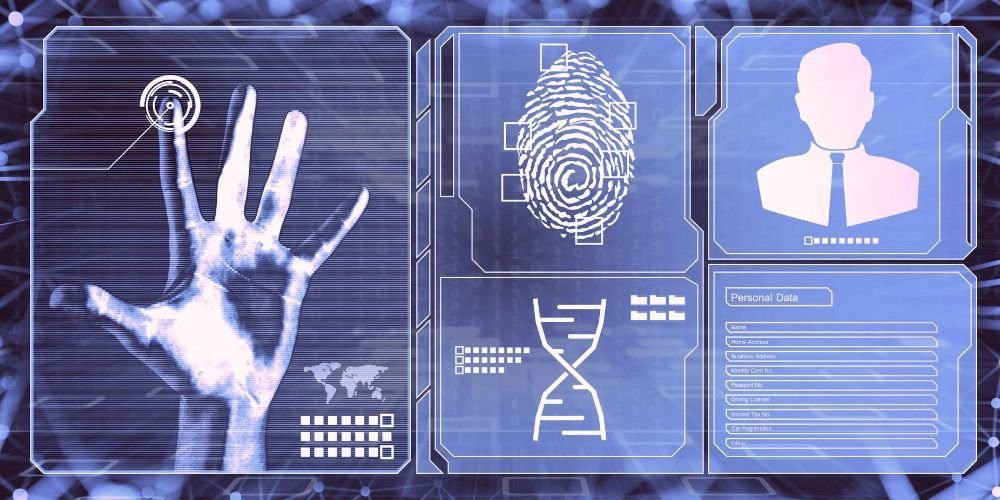
Decentralized technology changes this entire power dynamic. Instead of logging into a website with a corporate account, you log in using a self-sovereign identity. You hold your digital identity inside a secure, encrypted wallet on your own device. When a website asks for your information, your wallet sends only the necessary data. If a site needs to verify your age, it asks your wallet, “Is this person over eighteen?” Your wallet sends back a simple “Yes” or “No.” The website never learns your birth date, your full name, or your home address. You own your identity, and you decide exactly which parts of it to share.
The Promise of Digital Portability
The old internet made it incredibly hard to leave a platform. If you spent years building a profile on a massive social network, you felt trapped. You could not take your connections, your history, or your reputation to a different service. You stayed because you feared losing your digital life. A decentralized internet treats your identity as a portable asset. Your professional reputation, your verified credentials, and your social connections belong to you, not to the website you currently visit. If you do not like the policies of one platform, you pack your digital bags and move your identity to a better one. This freedom forces platforms to actually treat their users well, or they will simply lose them.
Verifying Truth Without a Middleman
We struggle daily with the spread of misinformation and fake profiles. The old internet relied on central authorities to verify our identities. A social network verified your account with a “blue checkmark,” or a bank verified your passport. These central authorities often become targets for hackers, or they make mistakes that cost people their livelihoods. In a decentralized world, we use cryptographic proofs. Your identity contains a set of digital signatures from trusted sources—like a university, a former employer, or a government agency. When you prove your identity, the system checks those signatures mathematically. We verify the truth without needing to ask a central middleman for permission.
Protecting Privacy by Design
Privacy usually feels like an afterthought. We hope that the company holding our data uses it wisely, but we have no way to actually know. Decentralized identity forces privacy into the code itself. We use something called “zero-knowledge proofs.” This technology allows you to prove you have a certain piece of information without actually revealing the information. You can prove you have a valid passport without revealing your passport number. You can prove you have enough money for a purchase without showing your bank balance. We stop the data leak at the source because we simply stop sharing our raw data.
The Hard Challenge of Universal Access
We face a massive hurdle in bringing decentralized identity to the entire world. This technology requires a smartphone, a reliable internet connection, and at least a basic level of digital literacy. If we build a system that only works for wealthy, tech-savvy people in major cities, we will just create a new form of digital inequality. We must design these systems to work on inexpensive hardware and in areas with poor network coverage. We must ensure that a farmer in a rural village can use their decentralized identity just as easily as a tech worker in a global city. If we fail here, we build a future that leaves billions of people behind.
Balancing Freedom and Accountability
Anonymity on the internet has a dark side. Bad actors use it to harass, scam, and spread harm. A decentralized internet must find a balance between protecting privacy and ensuring accountability. We do not want a world where people can harm others without consequences. We need systems where you remain anonymous to the public, but you can prove your identity to a court or an arbitrator if you commit a crime. We must design these digital layers to protect the innocent while still holding the guilty accountable. This is the hardest technical and social puzzle we face in the coming years.
The Role of Global Standards
One decentralized identity system will not work if it cannot talk to another. If my digital wallet uses one standard and your wallet uses another, we create a new form of digital isolation. Global collaboration is essential. We must agree on shared standards for how digital identities communicate. We need international groups to set the rules so that a verified credential from one country is accepted as valid in another. Without these shared standards, we will just build a new set of disconnected, walled gardens. We must ensure the decentralized internet remains truly open and truly global.
Conclusion
The shift toward self-sovereign identity represents the most important move we have made in the digital age. By taking our identity back from the corporate gatekeepers, we protect our privacy, increase our freedom, and demand a fairer internet. We will no longer act as unpaid data sources for foreign billionaires. Instead, we will own our digital selves, move our reputation freely, and verify our truths without needing to ask for permission. The road ahead remains complicated, and we have many technical and social hurdles to clear. But the path is clear: our digital future depends on our ability to own who we are online.