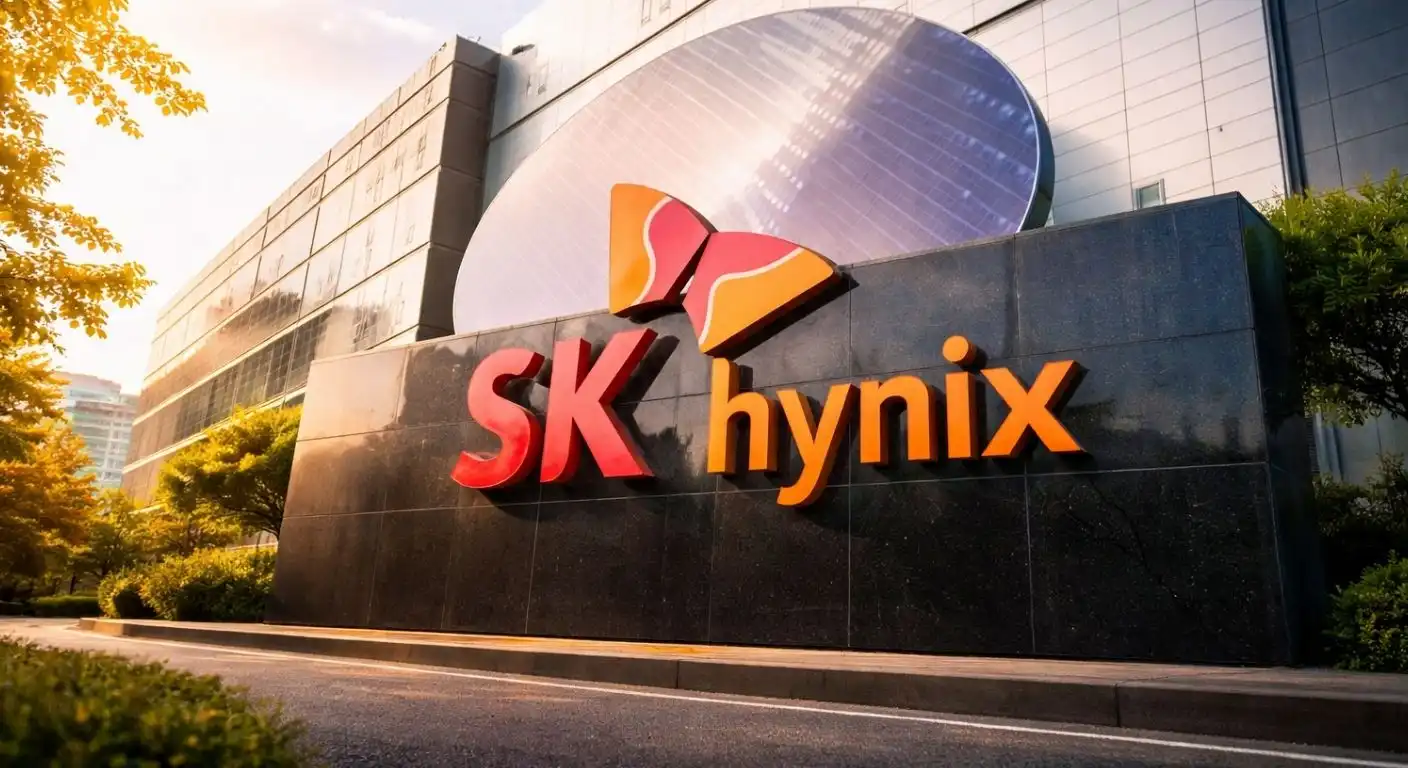
Chip manufacturing giant SK Hynix is officially setting its sights on the United States capital markets. Recent reports confirm that the South Korean powerhouse received overwhelming backing from its shareholders regarding plans for a U.S. stock listing. This strategic move aims to boost the company’s global profile and provide easier access to the massive pools of capital available in American markets, a necessity as the demand for high-bandwidth memory (HBM) chips continues to skyrocket alongside the artificial intelligence boom.
Company executives held extensive discussions with key institutional investors to gauge interest in the potential cross-listing. The feedback proved overwhelmingly positive, with major stakeholders viewing the move as a logical step for a company that plays such a critical role in the global AI supply chain. By tapping into U.S. exchanges, SK Hynix hopes to bridge the valuation gap between itself and American tech giants, potentially unlocking billions of dollars in new investment capacity.
This push into the U.S. market comes at a pivotal time for the semiconductor industry. As the primary supplier of high-performance memory for companies like Nvidia, SK Hynix finds itself at the center of the AI revolution. With the global memory market expected to see significant growth through 2026, the company needs substantial liquidity to fund aggressive capital expenditures, including the construction of advanced packaging plants and new production facilities designed to keep pace with the insatiable demand for AI-ready hardware.
Investors clearly favor the move because it aligns SK Hynix with the broader global tech ecosystem. Many large funds that prioritize U.S.-listed tech stocks currently face restrictions or hurdles when investing in foreign-listed companies. A U.S. listing removes these barriers, allowing a wider range of retail and institutional investors to add SK Hynix to their portfolios. This increased accessibility could potentially drive up the company’s stock price and provide a more stable valuation that reflects its dominant market position.
Despite the strong support, the company still faces several regulatory and operational hurdles. Moving forward, the board of directors must navigate complex filing requirements with the U.S. Securities and Exchange Commission (SEC). Management must also decide on the specific structure of the listing—whether to pursue a direct listing or a standard initial public offering process. Sources close to the matter suggest that the company is currently evaluating the timeline, aiming to finalize its strategy before the end of the year to capitalize on favorable market conditions.
The decision to list in the U.S. also serves as a defensive measure against shifting geopolitical tides. As tensions between major global powers affect supply chains, establishing a deeper financial footprint in the United States helps SK Hynix secure its position within the Western tech infrastructure. It signals a long-term commitment to its American partners and ensures the company remains a preferred vendor for the world’s most innovative tech corporations.
Looking at the broader market impact, SK Hynix’s move could trigger a wave of similar actions from other major Asian tech manufacturers. If the company successfully executes its U.S. debut, competitors may feel pressure to follow suit to maintain their competitiveness for global capital. For now, the leadership at SK Hynix remains focused on the immediate task of satisfying shareholder requirements and drafting the necessary documentation to make this historic transition a reality.
While the current market environment remains volatile, with tech stocks seeing broad price swings, the long-term outlook for memory chip manufacturers remains exceptionally strong. Analysts estimate that the AI memory market will continue to expand at a double-digit rate over the next three years. By securing its place on a U.S. exchange, SK Hynix is effectively laying the groundwork to capture a significant share of that future wealth, ensuring it has the resources to lead the industry for decades to come.