
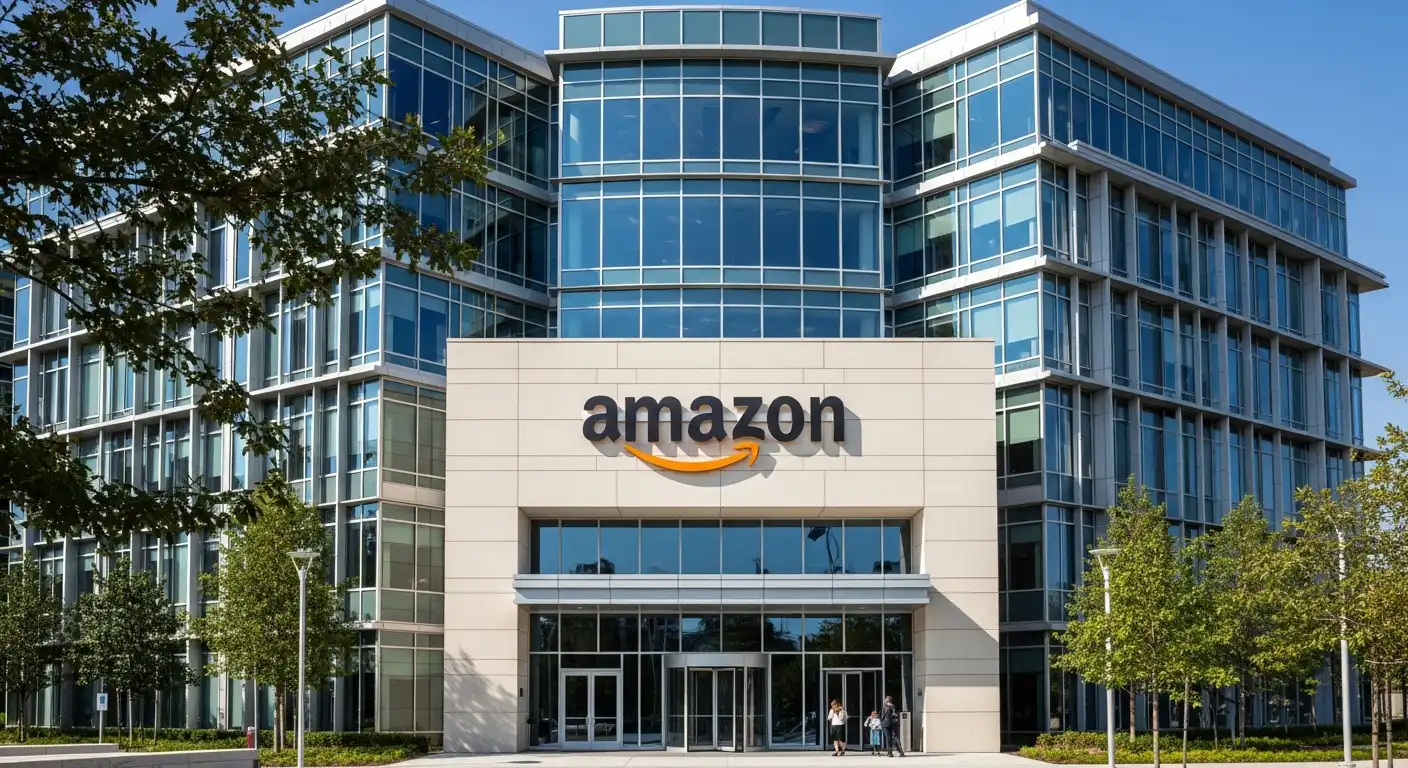
Internal tension is reaching a boiling point at Amazon’s Seattle headquarters as engineers and tech workers openly criticize the company’s push to use employee data for training artificial intelligence models. This outcry follows a round of layoffs within the company’s cloud computing and software divisions, leading many staff members to feel that they are essentially building the tools that will replace their own positions. The anger highlights a growing ethical divide between corporate leadership, which is betting its future on massive AI automation, and the workforce tasked with building that very technology.
According to internal communications, the core of the frustration involves “agentic” AI projects that monitor how engineers write, test, and debug software. Amazon has implemented tracking software that logs developer keystrokes and workflow habits to train its proprietary AI assistants. These assistants are intended to automate routine tasks, such as writing repetitive boilerplate code or managing basic cloud infrastructure deployments. However, the timing of these data collection initiatives, paired with the recent workforce reductions, has left many employees questioning whether their contributions are being weaponized against them.
The scale of the investment in these tools is massive. Amazon continues to pour more than $1 billion every few months into its artificial intelligence division to stay competitive against rivals like Microsoft and Google. Leadership argues that this massive spending is necessary to keep the company relevant in a world where AI agents will soon handle everything from logistics optimization to customer support. From the executive perspective, automation is the only way to scale the business to handle the trillions of transactions that pass through the AWS cloud every year.
For the engineers on the ground, the perspective is much grimmer. Staffers argue that by feeding their expert-level coding patterns into the company’s AI models, they are training the system to eventually render their own jobs obsolete. Many employees reported that they were not given a clear choice about whether their daily work data would be used to refine these automation tools. This lack of transparency has caused morale to plummet, with some teams reporting productivity drops of 1.5% to 2% as developers shift their energy from building products to worrying about their job security.
The criticism is not limited to just junior staff; senior engineers and architects have also spoken out. They contend that the company’s “AI-first” pivot treats them as disposable sources of training data rather than as the intellectual backbone of the organization. On internal forums, the sentiment is clear: workers are being asked to “teach the machine” to do what they do, only to be thanked with a pink slip weeks later. This creates a culture of distrust where talented engineers are hesitant to contribute their best ideas, fearing those ideas will simply be baked into a model that doesn’t need them anymore.
Amazon’s management team continues to defend the transition as a necessary evolution of the modern workplace. In recent town hall meetings, executives emphasized that AI will handle “mundane” tasks, freeing up human workers to focus on more complex, higher-level problem solving. They claim that the goal is not to eliminate jobs but to increase the total capacity of the workforce. However, the reality of recent layoffs has made these assurances sound hollow to many employees who see their colleagues leaving the company in significant numbers.
Privacy advocates are also taking a closer look at Amazon’s data-gathering practices. While the company says it follows strict internal guidelines, there is very little public oversight regarding how these training sets are curated or stored. If the company is indeed recording how developers interact with their machines to build replacement software, it raises questions about intellectual property rights. Do employees own the “knowledge” they provide to these models, or does that data belong exclusively to the employer? This is a legal gray area that will likely lead to future lawsuits.
The tech industry at large is facing this same “productivity paradox.” Companies want the speed of automation, but they need the wisdom of human experience to guide that automation toward success. If the staff feels betrayed by the company, they will withhold the very data that makes the AI effective. This creates a feedback loop where the company’s push for AI efficiency might actually lead to less effective models, simply because the workforce is no longer interested in helping the system get better.
Looking forward, Amazon faces a difficult challenge in rebuilding its internal culture. Successfully leading a workforce in the age of AI requires more than just offering competitive salaries; it requires a contract of trust. Leadership must show that they are committed to helping their employees transition into new roles rather than simply cycling them out of the company to save on operational expenses. Without this commitment, the “best and brightest” tech talent will almost certainly migrate to companies that offer more stability and less focus on constant, automated disruption.
Ultimately, the frustration in Seattle is a sign that the AI revolution has reached a critical stage. It is no longer just a hypothetical debate about the future of work; it is happening inside the offices of the world’s largest tech companies. As these firms continue to drive toward total automation, they are finding that the most valuable part of their business—their people—are also the most skeptical. The race to build the ultimate AI assistant is ongoing, but the cost of getting the culture wrong could be higher than any investment in data centers or chipsets.