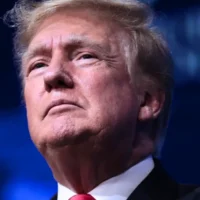
Nvidia is telling its Chinese clients that it may ramp up production of its H200 AI chips. This shift follows a statement from U.S. President Donald Trump on Tuesday, declaring that the U.S. government will allow Nvidia to export these powerful processors to China in exchange for a 25% fee.
Two sources familiar with the private discussions confirmed that demand from Chinese companies has already surged past Nvidia’s current output levels. Major tech players, including Alibaba and ByteDance, contacted Nvidia this week to secure the H200. These companies are eager to place massive orders because the H200 is significantly more capable than any other option currently available to them. It is roughly six times faster than the H20, a slower chip Nvidia specifically built for the Chinese market last year.
Nori Chiou, an investment director at White Oak Capital Partners, noted that the H200 is also two to three times faster than the best chips China can produce domestically. Because local manufacturers cannot yet meet the high demand for AI computing power, Chinese cloud providers are aggressively lobbying their government to allow these imports.
However, significant hurdles remain. The Chinese government has not yet approved the purchase of H200 chips. Officials held emergency meetings on Wednesday to debate the issue. They are concerned that allowing the H200 into the country could hurt China’s own chip industry. One proposal discussed involves a bundling requirement, where companies would have to buy a specific ratio of domestic chips for every Nvidia chip they purchase.
Supply is another challenge. Nvidia is currently focusing its manufacturing efforts on its newer Blackwell and Rubin lines. Increasing H200 production requires finding more capacity at TSMC, the Taiwanese manufacturer that builds the chips. TSMC is already stretched thin, making chips for competitors like Google. While Nvidia has shared supply guidance with clients, Chinese buyers are still waiting for clarity on whether they can actually get the chips and whether Beijing will allow them to cross the border.