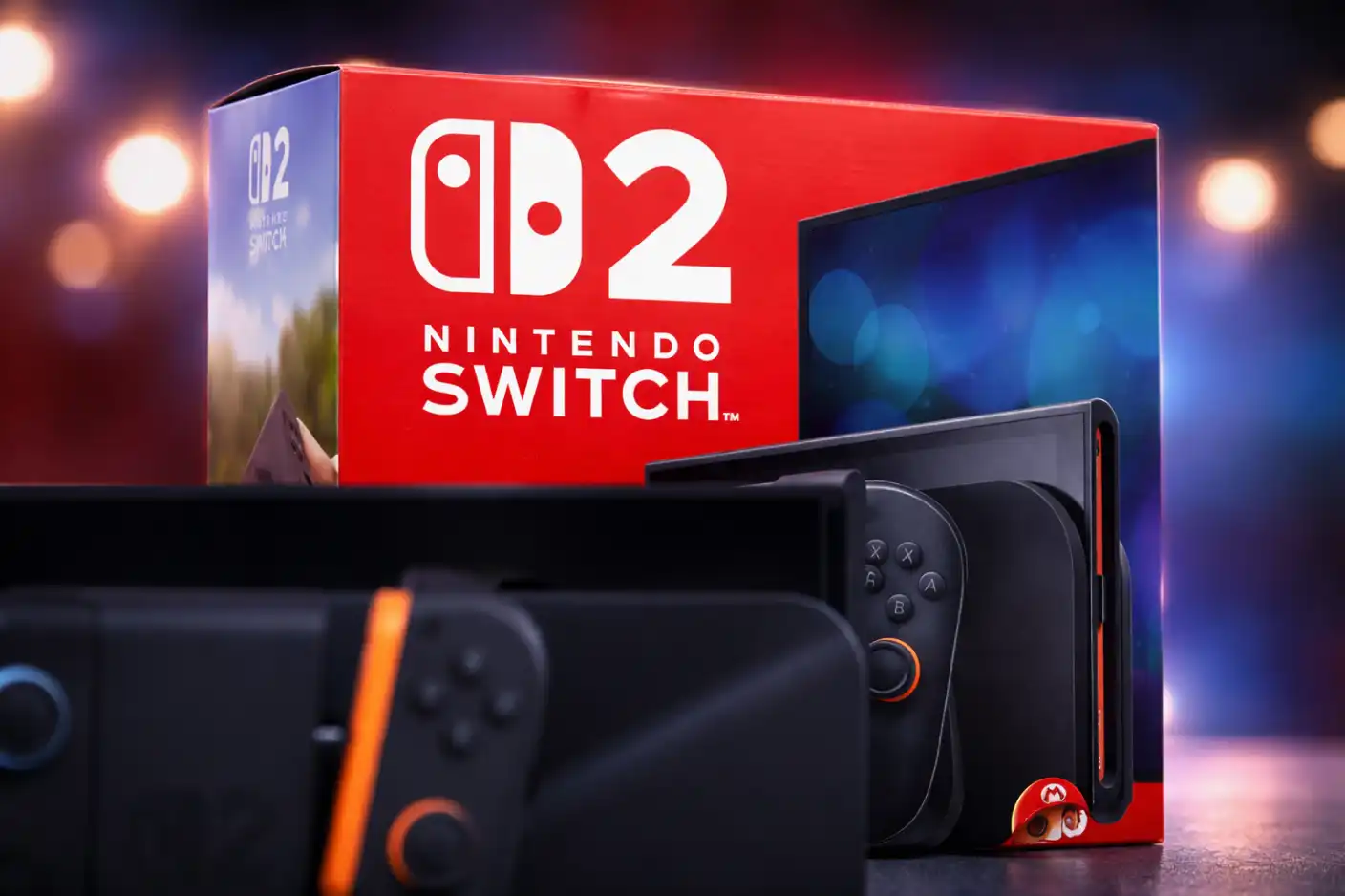
Investors hit the sell button on Nintendo stock this week. Shares of the Japanese gaming giant dropped a sharp 7 percent in Tokyo on Monday. The selloff happened right after executives announced a price increase for the new Switch 2 console. At the same time, Wall Street traders started worrying about the company’s upcoming schedule of video game releases, noting a serious lack of high-profile titles to build strong sales momentum.
The price hikes hit domestic players first. Nintendo plans to raise the price of the Japanese language Switch 2 model by exactly 10,000 yen, which equals about $63.73. This bump pushes the final retail price to a hefty 59,980 yen starting on May 25. Shoppers in the United States and other Western territories will not escape the extra costs, as Nintendo plans to raise prices in American markets starting September 1.
Company leaders blame the price tag changes on the global hardware supply chain. Right now, electronics manufacturers across the globe face a massive surge in the cost of computer memory chips. Passing those rising costs directly onto the buyer carries a major risk for Nintendo. The company relies heavily on a massive global audience of casual gamers. These everyday players watch their wallets closely and often skip buying video game consoles entirely when retail prices climb too high.
Nintendo actually posted very strong hardware sales for the financial year that ended in March. Yet, when executives released their business outlook for the current year, the projected numbers severely disappointed the market. Nintendo traditionally issues very conservative forecasts, but investors still felt underwhelmed. During the previous console generation, the Kyoto-based firm kept the original Switch alive for years by launching massive hits from the “The Legend of Zelda” franchise. Now, they face a new software challenge.
Right now, the Switch 2 game lineup looks a little thin. While the company recently scored a solid hit with a new title called “Pokemon Pokopia,” investors see a worrying lack of potential blockbuster games on the horizon. Morningstar financial analyst Kazunori Ito told clients that Nintendo’s lower game shipment forecast creates a bad look. He warned that the year-on-year decline in guidance risks signaling that Nintendo lacks confidence in its own software development pipeline.
Still, Ito thinks Wall Street might be overreacting to the quiet release schedule. He noted that user engagement usually speeds up significantly during the second year of a new console’s life cycle. Because of this historic trend, Ito views the massive stock selloff as far too pessimistic. He expects players to spend plenty of time and money on the new system once they settle in and buy the games already available on store shelves.
Other market watchers share this quiet optimism. Jefferies analyst Atul Goyal pointed out that the second year of the Switch 2 remains absolutely crucial for its long-term financial success. Goyal holds a non-consensus view, meaning he firmly disagrees with the wider market fears. He strongly predicts that Nintendo will release a massive, top-tier Mario game sometime this year to drive heavy hardware sales.
Goyal also reminded worried investors about Nintendo’s favorite corporate habit. The company intentionally sets its financial guidance bar incredibly low to safely manage public expectations. In fact, Nintendo has easily beaten its own initial operating profit guidance in every single one of the past four fiscal years. A surprise Mario game launch would easily help them crush those low estimates once again and push the stock price right back up.
The stock market drama highlighted a stark contrast between Nintendo and its main rival, Sony. Nintendo still depends almost entirely on its core video game business to survive and grow. The company certainly makes money licensing its famous characters for hit movies and massive physical theme parks, but moving plastic consoles and game cartridges still pays the majority of the bills. Sony, on the other hand, operates a much more diversified technology and entertainment empire.
Amir Anvarzadeh, a financial expert at Asymmetric Advisors, noted that Sony handles current supply chain problems much better right now. Because the PlayStation 5 has lived on the market for a much longer time, Sony sits in a much better position to pass the higher costs of memory chips directly down to consumers. Buyers accept the PlayStation pricing structure because the console already boasts a massive library of established games.
Investors clearly favored Sony’s strategy on Monday. While Nintendo shares tanked, Sony shares jumped a massive 10 percent in Tokyo trading. Sony gave investors a strange but exciting forecast. The company expects lower overall sales volume, but higher actual profits in its core gaming division. They plan to simply make more money on every single box they manage to sell.
To protect those profit margins long-term, Sony also announced a major new business deal. The company plans to build a new joint venture with TSMC to develop and manufacture camera image sensors right inside Japan. This specific move will help Sony tightly control its manufacturing costs. Bernstein analyst David Dai told clients that these recent financial results prove Sony can protect its total group profits simply by scaling back PlayStation 5 shipments and focusing on high-margin products.