
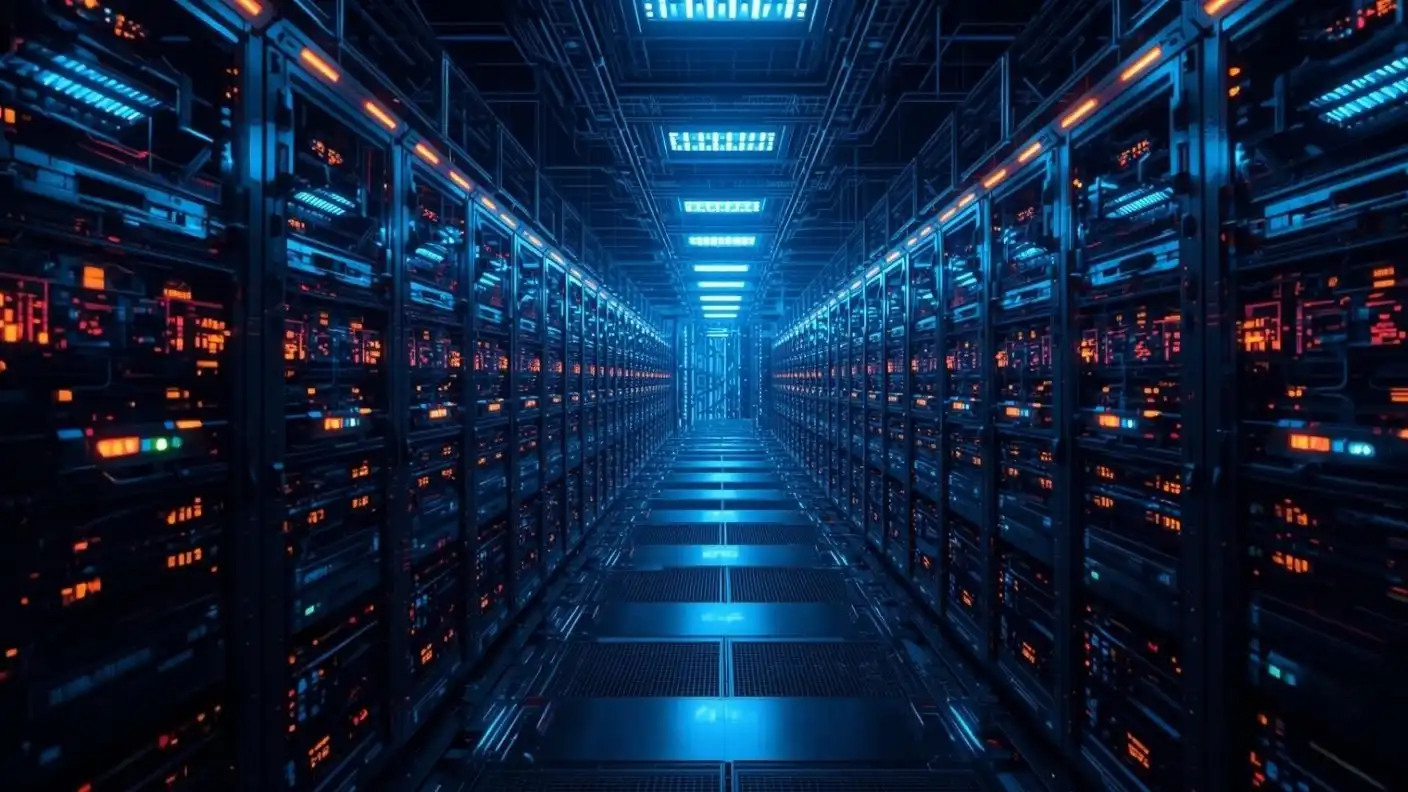
We completely rely on the internet for everything we do in 2026. Every time you send a mobile payment from a busy street in Dhaka, watch a high-definition video, or check a digital health record, a computer server somewhere does the heavy lifting. We call these giant buildings full of computers “data centers.” For a long time, armies of tired IT workers managed these massive buildings. They ran around freezing rooms wearing thick winter coats, swapping broken hard drives and fighting tangled cables. Today, that old method is officially dead. The sheer speed of our modern economy requires something much faster and much more reliable. We now build autonomous data centers linked directly to smart infrastructure. These giant digital brains literally run themselves without human help.
The End of the Freezing Server Room
Computer servers generate a massive amount of heat. In a hot, humid country like Bangladesh, cooling these machines eats up huge amounts of expensive electricity. In the past, managers simply blasted freezing air conditioning into the entire room to keep the machines safe. It wasted incredible amounts of power. Autonomous data centers change this math completely. Smart sensors monitor the exact temperature of every single microchip. Artificial intelligence software talks directly to the building’s smart infrastructure. It directs tiny, precise blasts of cool air or liquid only to the specific servers that actually need it. The software turns the cooling down immediately when the computer finishes a heavy task. We stop wasting expensive electricity on empty aisles, which drastically lowers the cost of keeping our internet running.
Robots Walking the Server Aisles
Hardware eventually breaks. Hard drives fail, memory sticks burn out, and power cables snap. A few years ago, a loud alarm woke up a human technician at three in the morning. That sleepy worker drove to the data center, found the broken server, and replaced the part by hand. Today, we leave the human workers in bed. Autonomous data centers use agile robots that roll down the dark aisles twenty-four hours a day. When the smart software detects a failing hard drive, it tells a robot to grab a new one from the supply closet. The robot slides the old drive out and snaps the new one into place in exactly two minutes. The entire building fixes its own physical injuries without a single human stepping foot inside the secure zone.
Balancing the National Power Grid
A giant data center drinks as much power as a small city. This puts massive stress on our national power grid. Smart infrastructure solves this heavy burden. The autonomous data center actively talks to the local power grid in real-time. For example, if a massive factory in Gazipur spins up its heavy machinery, the local grid feels the strain. The autonomous data center sees this strain immediately. The artificial intelligence brain automatically shifts non-urgent computer tasks, like organizing old video backups, to the middle of the night. It instantly turns on its own rooftop solar panels and pulls energy from giant backup batteries to keep the critical systems online. The building actively helps balance the entire city’s power supply instead of greedily draining it. We build a technology hub that acts as a good neighbor.
Defending the Digital Fortress
Criminals constantly try to break into these massive data centers because they hold our most valuable financial and personal secrets. Human security guards and old software firewalls simply move too slowly to stop a modern cyberattack. Autonomous data centers fight back using aggressive, self-thinking software. This digital guard watches millions of network connections every single second. If it spots a hacker trying to sneak through a tiny crack in the system, it does not send an email asking a human for permission to act. It slams the digital door shut instantly. It locks the specific server, isolates the bad code, and traces the attack back to its source. It rewrites its own security code on the fly to block the new threat. We trust the machine to fight the invisible wars that human eyes simply cannot see.
Conclusion
We demand a faster, smarter, and flawless digital world. We cannot achieve this goal if we rely on tired humans running around loud, freezing server rooms with screwdrivers in their hands. Autonomous data centers and smart infrastructure represent the absolute future of our digital economy. They save vital electricity, repair their own broken hardware, and fight off global criminals in the blink of an eye. By handing the daily chores over to intelligent machines, we guarantee our internet never sleeps, never breaks, and never slows down. We finally built a digital heart strong enough to pump life into our fast modern world.