We spent the last few decades teaching humans to think like machines. To write a piece of software, a developer had to memorize rigid syntax, follow strict rules, and worry about every tiny semicolon. We turned ourselves into human compilers, slowly translating human ideas into the cryptic language of the central processing unit. That age of manual translation has finally ended. In the modern era of software creation, the machine now writes the code, while the human provides the intent. We no longer build software by stacking bricks; we build it by directing a flow of ideas. This shift forces a massive change in the developer mindset, moving us from being writers of syntax to being architects of human logic.
The Shift from Writing to Reviewing
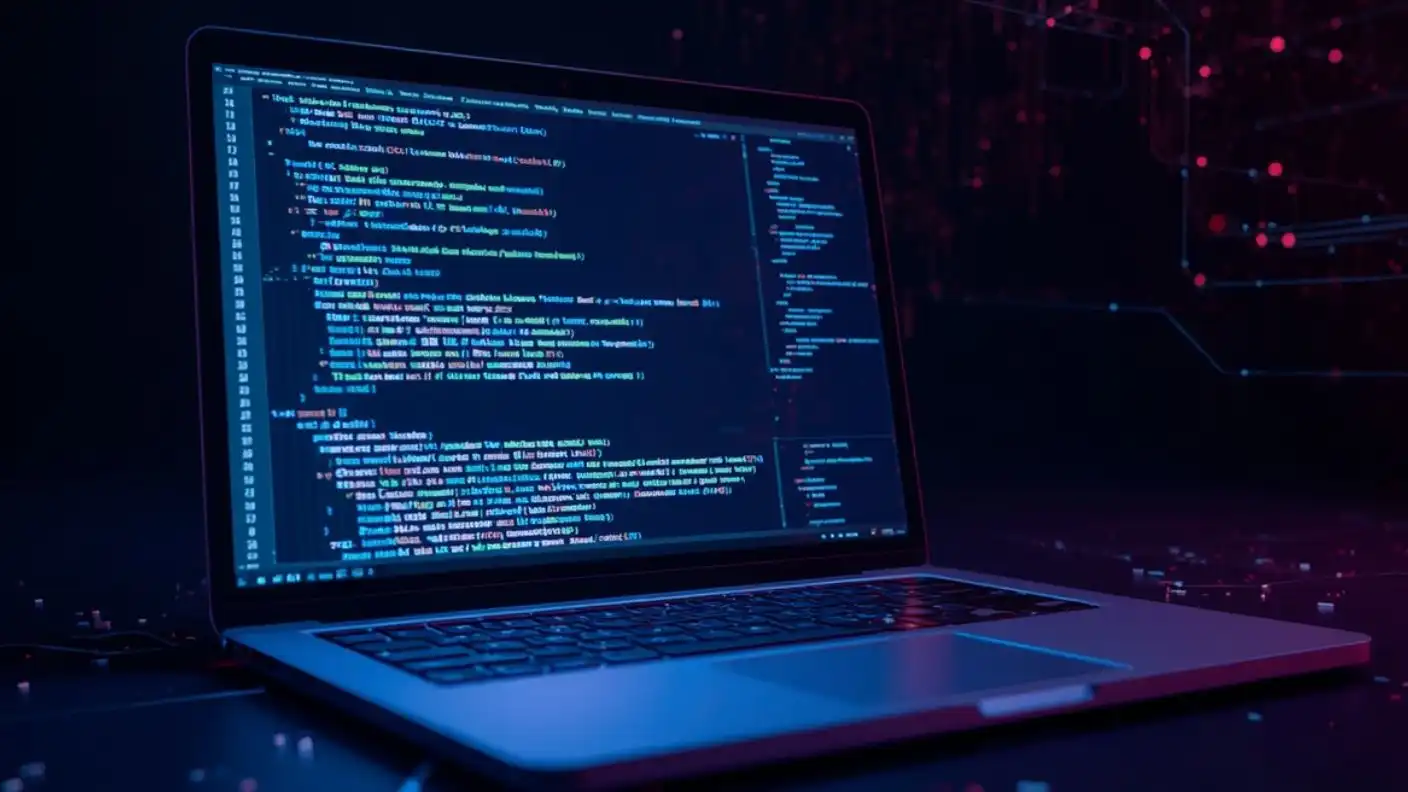
In the past, a programmer spent eight hours a day typing out lines of code. The work felt heavy and slow. Today, the artificial intelligence assistant writes the first draft of almost every function, class, and service. This changes the daily job of the developer instantly. We spend less time typing and much more time reviewing. We act as editors and critics for the machine’s output. We need to be able to scan a screen of AI-generated code and instantly spot the subtle flaws, the security gaps, and the logic errors. The best developer of this decade is not the one who types the fastest, but the one who reads the best.
Why We Still Need the Human Architect
Many people look at these automated tools and worry that software engineers will soon become obsolete. They fear that the machine will take the steering wheel and leave us behind. They ignore the most important part of software: the “why.” An AI can write a brilliant function that sorts a list or draws a box on a screen, but it cannot understand the complex, messy goals of a human business. It does not understand why a user might get frustrated with a specific interface, or why a product needs to be built in a particular way to solve a real human problem. We remain the architects. We hold the vision, the ethics, and the empathy that the machine lacks.
The Danger of Trusting the Machine Blindly
When we get used to an assistant that works with incredible speed, we develop a dangerous habit of complacency. We start assuming that the machine is always right. This represents a massive professional failure. AI tools often “hallucinate,” meaning they write code that looks perfectly correct but contains deep, hidden bugs. If a developer blindly copies and pastes whatever the machine offers, they build a house of cards that will eventually collapse. The modern developer must maintain a healthy, intense skepticism. You must verify every single line. You must treat the AI as a junior intern who needs constant, careful supervision, not as a senior expert who never makes a mistake.
Mastering the Language of Intent
If you want to get good results from an AI, you must learn to speak to it with extreme clarity. This is the new “prompt engineering,” but it is really just an exercise in perfect communication. If you give the machine a vague instruction, you get a vague, useless result. If you describe the exact constraints, the edge cases, and the desired outcome, the machine builds exactly what you need. We now need to master the language of intent. We need to become experts in defining requirements, explaining complex systems, and breaking down big problems into small, manageable tasks. The code becomes the secondary step; the clear definition of the goal becomes the primary skill.
Coding for a Global Scale
In the past, a developer often worried about how their code ran on a single machine or a small local server. Today, the code we generate must be ready to serve millions of people across the entire planet. We need our AI assistants to understand global scale. We need to prompt the machine to consider how a system handles traffic from a user in a busy city versus a user in a remote village. We need to consider global latency, different device capabilities, and localized language requirements. The AI helps us build for this scale, but only if we understand the requirements of the global internet ourselves.
The Ethics of Automated Creation
The code we generate carries a heavy moral weight. A machine doesn’t care if it produces code that reinforces a bias or ignores a privacy rule. It just wants to finish the task. As developers, we must be the ethical guardrails. We need to ask if the code respects user privacy, if it excludes certain groups of people, or if it creates a hidden, unfair advantage for one side of the market. We cannot blame the machine if the final product causes harm to the public. We bear the responsibility for everything we deploy. The “AI-first” mindset requires a “Human-first” ethical filter.
Learning to Learn Faster Than Ever
The tools change every single month. A programming language that seemed like the standard last season now sits in the shadow of a better, faster, and more efficient replacement. The developer mindset must be one of constant, aggressive unlearning. We have to be willing to throw away our favorite tools the moment a better assistant arrives. This requires a level of humility and intellectual agility that previous generations never faced. We are not just learning to code; we are learning how to adapt to a landscape that never stops shifting.
The Joy of Solving the Real Problem
Do you know what developers hated about the old way? They hated the “paperwork” of coding. They hated fixing missing semicolons and dealing with memory leaks that had nothing to do with the actual goal. AI-generated code fixes this. It clears away the administrative trash of programming. This leaves us with the pure, distilled joy of solving the problem itself. We spend our energy on the puzzle, not the pen. We get to be engineers in the truest sense of the word, focusing on the logic, the flow, and the impact of the systems we create. This makes the work significantly more satisfying.
Conclusion
We do not stand at the end of programming; we stand at the beginning of its most exciting chapter. By offloading the mechanical, repetitive act of writing syntax to our AI partners, we reclaim our role as the creative thinkers and problem solvers we were always meant to be. This evolution demands more focus, more ethical rigor, and a faster learning pace than ever before. But it also offers a massive boost in what we can achieve. The machine provides the hands, but the human provides the heart. If we keep our skills sharp and our focus on solving real human needs, we will build a digital world that is more functional and more innovative than anything we ever typed out by hand.