Ten years ago, managers in Bangladesh absolutely dreaded their daily software tasks. We bought massive, expensive Enterprise Resource Planning (ERP) systems to run our factories and busy offices. These old programs felt like giant, confusing calculators. You had to click through twenty gray screens and memorize complex codes just to approve a simple purchase order. Today, in 2026, this painful era is over. Future Enterprise Resource Planning Systems no longer sit quietly waiting for humans to type in numbers. They actively watch the business, think about the next move, and fix problems before they happen. We finally have software that works for us, instead of forcing us to work for it.
The Death of the Ugly Dashboard
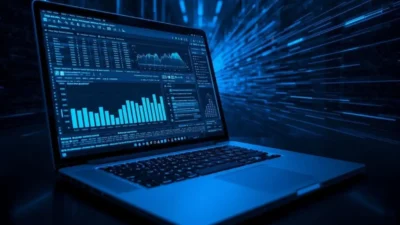
People hate learning new software. Old ERP systems required weeks of boring training classes. Workers had to memorize complex menu paths just to log their daily hours or check warehouse stock. Future ERPs completely kill the ugly, complicated dashboard. Today, you just talk to the system. A factory floor manager in Narayanganj opens an app on his phone and speaks normally. He says, “Show me the cotton inventory for next week,” and the software instantly displays a clean, simple chart. If a sales director wants to know last quarter’s profits, she just types a quick message into her daily chat program. The ERP understands natural human language. It removes the heavy technical barrier, allowing every single employee to use the system perfectly on their very first day.
Connecting the Ship to the Sewing Machine
A modern business moves physical items, and the software must track them in real-time. In the past, workers manually scanned barcodes and updated spreadsheets at the end of their shift. This delay caused massive blind spots and lost money. Future ERP systems connect directly to the physical world using smart sensors. When a cargo ship arrives at the Chattogram port carrying raw materials, the shipping container talks directly to the ERP. As a truck drives the materials up the highway to a garment factory in Gazipur, the system tracks the exact location and temperature of the cargo. When the fabric finally hits the cutting table, the weaving machine automatically tells the ERP exactly how much material it consumed. We completely erased the gap between the physical product and the digital record.
Smarter Guesses with Predictive Brains
Old software only looked backward. It told you how much money you lost yesterday. Future Enterprise Resource Planning Systems look straight ahead. They use massive data streams to predict the future. Imagine a sudden rainstorm floods a major highway. The smart ERP immediately knows a delivery truck will arrive late. It does not just flash a red warning light. It automatically checks alternative local suppliers, calculates the price difference, and orders emergency materials from a nearby warehouse to keep the factory running. It predicts customer demand by analyzing local weather patterns and upcoming holidays. Business owners stop reacting to sudden disasters because the ERP already solved the problem hours before anyone even noticed it.
Breaking Down the Office Walls
For decades, company departments hated sharing information. The human resources team used one software, the finance team used another, and the warehouse used a third. At the end of the month, exhausted accountants spent days trying to force all the numbers to match. Modern ERP systems smash these invisible walls into dust. They create a single, flawless source of truth for the entire company. When the sales team lands a massive new contract, the ERP automatically alerts HR to hire three new technicians. It tells the finance team to secure a larger line of credit, and it orders extra shipping boxes for the warehouse. Every department moves together instantly. The software forces the entire company to act as one fast, unified team.
Conclusion
We demand speed and perfection in our modern economy. Local businesses cannot compete globally if they still rely on slow, disconnected software that forces workers to type numbers into gray boxes all day. Future Enterprise Resource Planning Systems represent a massive leap forward. They act as a brilliant digital partner that predicts supply shortages, connects physical machines, and speaks our natural language. They clear away the boring daily chores so our human workers can focus entirely on creativity, customer service, and real growth. If a business adopts this new digital brain, it will run faster and smarter than ever before. The future of business management is here, and it moves incredibly fast.