
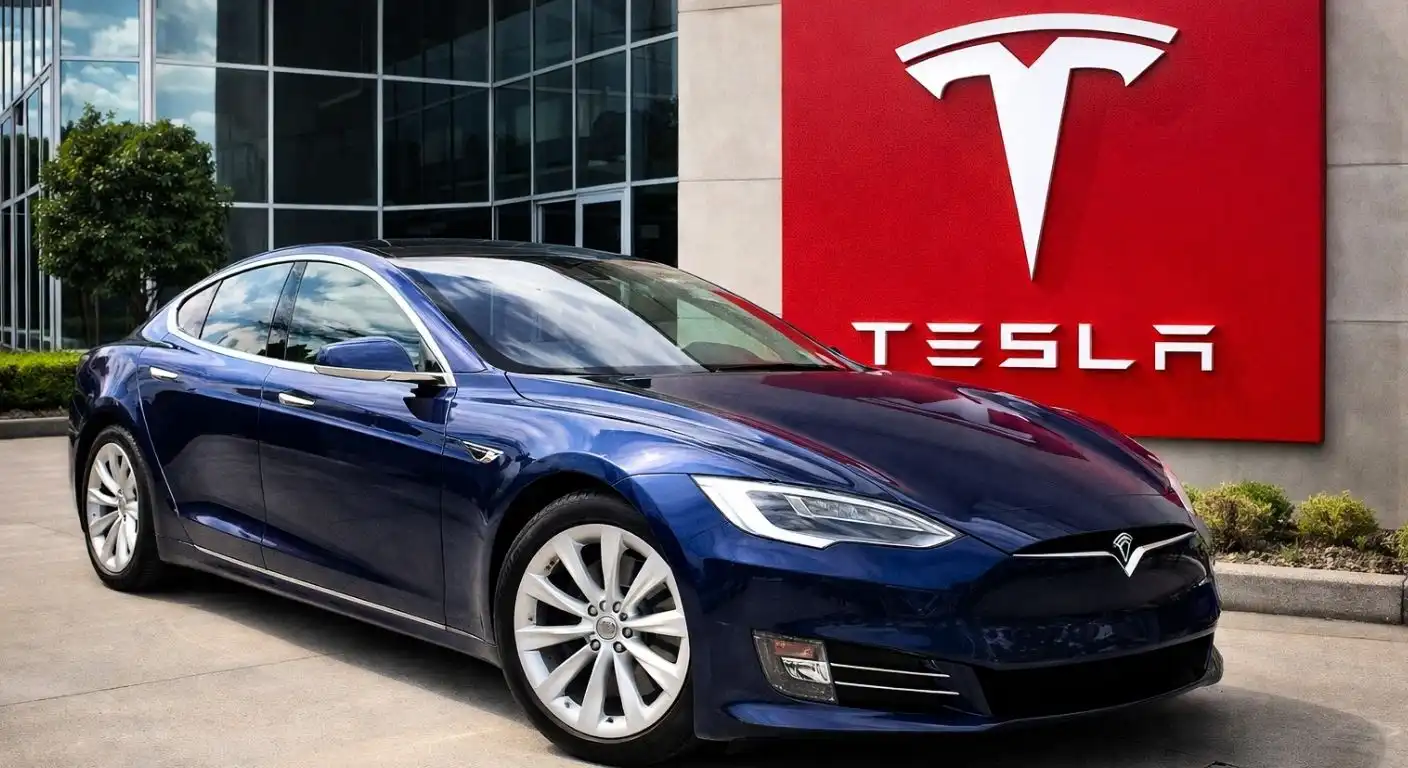
Tesla is broadening its Robotaxi service within Texas, bringing autonomous ride-hailing to Dallas and Houston. The electric vehicle maker announced this expansion in a post on X, providing maps that detail the new service areas in specific sections of both Texas cities.
The initial Robotaxi rides first launched in Austin, where Tesla’s headquarters are located. At its Austin launch, the service included a “Tesla Safety Monitor,” a human supervisor seated in the passenger seat. Earlier this year, Tesla began phasing out these safety monitors, allowing its Robotaxis to operate fully autonomously without in-car human supervision. The recent announcement on X featured a 360-degree video shot with no safety monitor visible, but Tesla has not yet confirmed whether the Dallas and Houston services will operate with or without human supervision. It’s important to remember that Tesla has previously acknowledged that some of its Robotaxis are occasionally driven remotely by human operators.
This expansion into Dallas and Houston brings Tesla into direct competition with Waymo, another major autonomous ride-hailing service that entered these same markets in February of this year. Looking further ahead, Tesla also has its sights set on the Bay Area market in California for future Robotaxi expansion. While the company has secured approvals to operate a ride-hailing service in California, it has not yet received authorization to run fully autonomous taxis in the state.
The move into more cities marks a significant step for Tesla’s Robotaxi ambitions. Expanding unsupervised autonomous operations will be a key factor in how quickly the service can scale. With Waymo already established in Dallas and Houston, the competition in the autonomous ride-hailing sector is heating up in these major Texas urban centers. Tesla’s ability to demonstrate safety and reliability will be crucial for gaining market share and public trust.
The push into additional markets underscores Tesla’s long-term vision of a widespread autonomous ride-hailing network. The company’s progress in Texas will likely inform its strategies for future expansions into other major U.S. cities, including the highly anticipated California market, once regulatory approvals are secured for fully autonomous operations.