
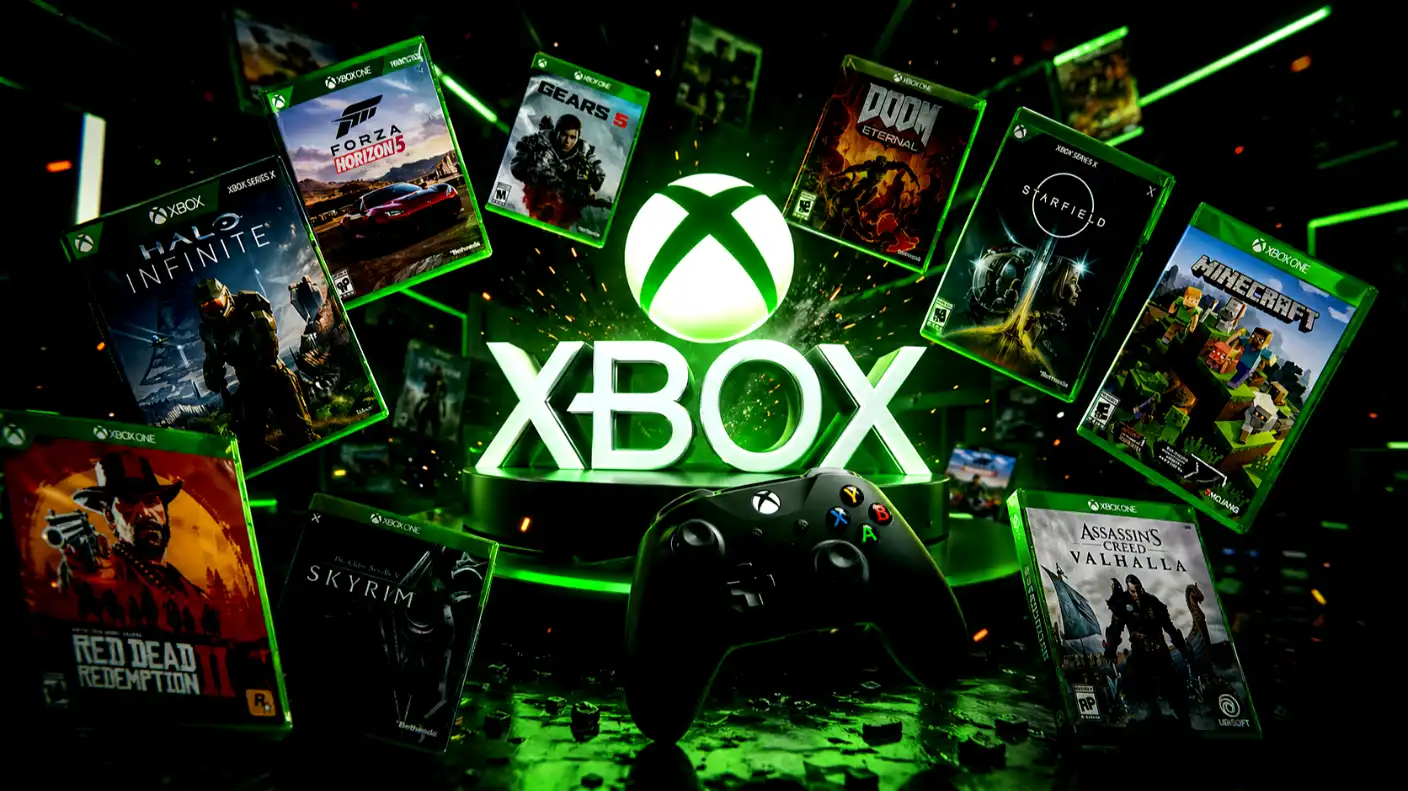
Microsoft is fundamentally shifting its approach to the gaming industry. Phil Spencer, the CEO of Microsoft Gaming, recently outlined a new vision for Xbox that moves away from strict platform exclusivity. Instead, the company is embracing a “second-party” publisher strategy, aiming to bring its massive library of games to as many players as possible, regardless of whether they own an Xbox console or a competing system.
This strategic change marks a major departure from the traditional console wars that defined the industry for decades. For years, companies fought to secure exclusive titles to force consumers into buying their specific hardware. Microsoft now views this model as outdated. By releasing high-profile titles on competing platforms like PlayStation and Nintendo, Xbox intends to grow its total user base and reach the billions of players who currently play on mobile devices, PCs, and rival consoles.
The financial data behind this move is significant. Microsoft’s gaming division reported a massive $20 billion in annual revenue following its acquisition of Activision Blizzard, yet the company understands that hardware growth has plateaued. Global console sales have struggled to gain momentum, with total hardware volume hovering near a 2% decline over the last three fiscal quarters. By transitioning to a publisher-first model, Microsoft hopes to monetize its intellectual property through subscriptions and software sales rather than relying solely on the sale of a $500 plastic box.
This shift does not mean the end of Xbox hardware entirely, but it changes the purpose of the console. Moving forward, the Xbox console will serve as one of many entry points into the company’s vast ecosystem. The company aims to make its Game Pass subscription service the ultimate destination for players, effectively turning its games into a service that scales across devices. This mirrors the strategy used by software companies that generate $1 billion or more in recurring subscription revenue.
Industry analysts suggest this strategy helps Microsoft maximize the return on its massive investments. When a studio spends $300 million to develop a single AAA title, restricting that game to a single platform limits its total potential audience. By opening the gates, Microsoft can reach tens of millions of additional players, potentially increasing the lifetime value of every game it releases by 30% to 50%. This approach turns the company into a true platform-agnostic powerhouse.
While some longtime fans worry that the value of an Xbox console is fading, the company insists that its best-in-class service and backward compatibility remain strong selling points. The real value for the consumer is no longer about the hardware under the TV, but about the seamless access to a library of thousands of games. By playing the role of a second-party publisher, Xbox is positioning itself to lead the next generation of gaming, where the content is king and the platform is secondary.