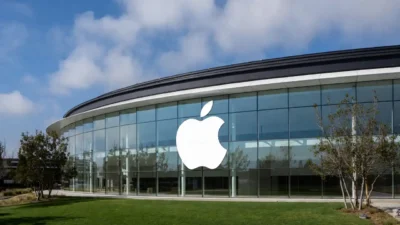
Apple announced on Tuesday that it will move some production of its Mac Mini desktop computer from Asia to the United States. The tech giant plans to start the new manufacturing effort at a facility in Houston later this year. This move marks a shift in strategy for the iPhone maker as it faces pressure to build more products on American soil.
Along with the manufacturing lines, Apple is expanding the Houston facility to include a new training center focused on advanced manufacturing. The company stated that these expanded operations will create thousands of jobs in the area. This follows a major commitment Apple made last August to invest $600 billion in the U.S. economy over the next four years.
The timing of the announcement aligns with rising trade tensions. President Donald Trump recently threatened Apple with a 25% tariff on goods manufactured overseas. This threat reverses earlier policies that exempted electronics like smartphones and computers from import taxes. Currently, the administration has imposed a 10% tariff on goods not covered by exemptions, following a confusing legal battle where the Supreme Court struck down previous duties.
“Apple is deeply committed to the future of American manufacturing,” Apple CEO Tim Cook said in a statement. The company also noted that it began making AI servers in Houston last year and that those efforts are running ahead of schedule.
However, Apple has a mixed history when it comes to keeping manufacturing promises in the U.S. back in 2019, Cook and Trump toured a Texas factory that they promoted as a new manufacturing site. In reality, that facility had been producing Apple computers since 2013, and the company eventually moved that production to Thailand.
Despite this new project in Texas, the vast majority of Apple’s supply chain remains overseas. The company continues to manufacture most of its flagship products, including iPhones and iPads, in Asian countries such as China, Vietnam, Thailand, and India.